

I will never forget the chill that ran down my spine during a high-stakes board dinner five years ago. I had approved a beautifully executed, rich duck confit with a classic reduction. What I didn’t realize until the plates hit the table was that three of the tech executives present were on ultra-strict, low-sodium keto diets, the venture capitalist at the end of the table was strictly vegan, and the keynote speaker only ate raw foods. I watched in absolute horror as half the room quietly pushed their expensive entrees around their plates, looking polite but profoundly hungry. That night taught me a brutal lesson about high-level corporate catering: when you are feeding the people who run the world, a standard, one-size-fits-all menu is a fast track to disaster. You cannot treat executive dining like a standard wedding reception. Managing dietary restrictions seamlessly without derailing the kitchen flow is an absolute art form. Today, I want to share the exact strategies I learned the hard way so you can design a menu that keeps even the most demanding executive satisfied, energized, and focused on business.
The High Stakes of Boardroom Dining
Feeding C-suite executives isn’t just about satisfying hunger; it is about facilitating high-level decision-making. If you serve a heavy, carb-laden pasta dish at noon, your afternoon strategy session will be ruined by a room full of yawning, sluggish executives. Conversely, if you serve a tiny, overly precious tasting menu that leaves them starving, their impatience will derail the entire meeting. This is why you must avoid common mistakes, like seating the CEO near the noisy kitchen doors, and pay close attention to how food affects cognitive performance. For a truly successful gathering, you also need to make sure your service team is impeccable; partnering with the best corporate event servers ensures that dietary needs are tracked silently and dishes are delivered without disrupting the conversation. According to Cornell University’s hospitality research, the style and seamlessness of food service directly impact a guest’s perception of overall professional capability. When things go wrong, it reflects poorly on your company’s attention to detail. Have you ever hosted an important corporate lunch where a dietary oversight caused a visible bottleneck or left a VIP guest feeling isolated?
Is it actually possible to please every diet at once?
Yes, but only if you stop treating alternative diets as an afterthought. The old-school approach of serving a sad, steamed vegetable plate to your vegan guests while everyone else enjoys a prime cut of meat is completely unacceptable in modern corporate settings. It isolates your guests and makes them feel like an administrative burden. Instead, we need to build menus that are naturally inclusive from the ground up, utilizing high-quality ingredients that appeal to everyone. If you are preparing for an upscale evening, you might even consider the logic of serving a sophisticated soup course, which can easily be designed as both dairy-free and gluten-free without sacrificing an ounce of luxury flavor. Let’s look at how we can transition from stressful guessing games to flawless culinary execution.
How to Reverse-Engineer Your Executive Menu
To pull off a high-stakes meal without a single hitch, you must treat your menu development like high-precision software engineering. You do not design a beautiful dish and then scramble to fix it when someone objects. Instead, you design the menu from day one to exclude the most common friction points.
Begin with a naturally allergen-free base
When I designed a VIP lunch for a major biomedical firm last spring, I knew I had two gluten-free executives, one vegan, and one severe shellfish allergy. Instead of writing five separate recipes, I built the entire menu around a roasted seasonal root vegetable and wild mushroom framework, finishing with an exquisite herb-infused reduction. By utilizing a plant-based, gluten-free base, eighty percent of the plate was already safe for everyone at the table. The proteins—whether a pan-seared sea bass or a perfectly roasted beef tenderloin—were prepared separately and added at the very end. The vegan executive received an outstanding grilled king oyster mushroom cap that mimicked the texture of the steak. This is how to manage dietary restrictions without isolating your guests, ensuring everyone eats at the exact same pace. By planning this way, the kitchen only had to execute one cohesive workflow, rather than managing a chaotic, fragmented line.
The silent system for table tracking
You cannot have your service staff walking around an intimate boardroom asking, “Who had the gluten-free salmon?” This instantly breaks the flow of critical business conversations. When managing small, high-stakes meals, I employ a silent numbering system using a subtle seating chart. Our front-of-house team works with the executive assistants beforehand to map every seat. Each server is trained to memorize their specific zone’s dietary needs before they even pick up a tray. If you want to take your service standards to this elite level, you should learn how to vet a server’s experience with high-end French service before booking, as experienced professionals understand how to navigate these silent handoffs flawlessly. For larger galas or complex seating arrangements, you can even build subtle color-coded cues directly into the printed name cards or menu cards, keeping the logistics entirely invisible to the attendees.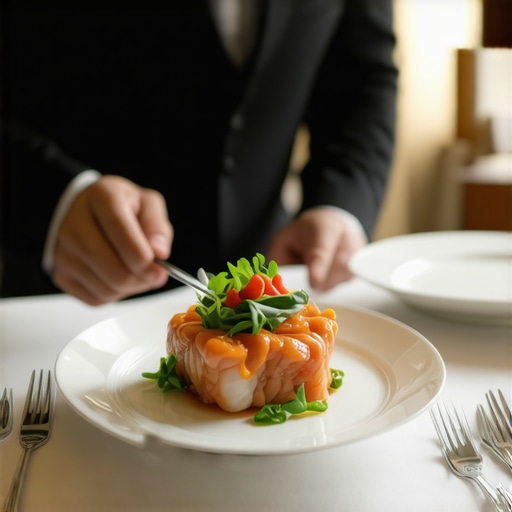
Keep the kitchen out of the boardroom
Nothing kills a high-level negotiation faster than the smell of burnt garlic or the loud clatter of plates being scraped. If you are hosting a meeting in an office suite that lacks a commercial kitchen, your staging logistics must be flawless. I once ran a three-course dinner for twenty tech founders in an office that only had a small breakroom microwave. We had to bring in mobile hot-boxes and set up our plating station inside a cordoned-off hallway. To prevent any sensory disruptions, we strictly avoided any foods that required active frying or heavy searing on-site. When planning these tight setups, remember that seating the CEO near the kitchen doors is a recipe for distraction. Keep your staging area physically isolated, use professional insulated transport equipment, and ensure your servers are trained on how to train event servers to refill water without being noticed. This level of invisible execution keeps the focus entirely on the business at hand.
The Myth of the Standard Dietary Substitute
Many event planners believe that providing a simple alternative dish—like a basic garden salad for a vegan executive—is sufficient for high-level meetings. In my experience, this approach fails because it marginalizes guests and disrupts the cohesive flow of the dining experience. When you serve a lackluster substitute, you communicate that those guests’ needs are an afterthought, which can subtly undermine professional relationships. Instead, you must design a menu where alternative options are as sophisticated and culinary-forward as the primary entrees. For instance, incorporating luxury wedding catering ideas, such as artisanal plant-based pairings, into your corporate menu ensures that every attendee feels valued and respected. This inclusive approach is crucial for maintaining a professional atmosphere where business can thrive.
Why do standard corporate buffets often fail the execution test?
The primary reason is a lack of attention to temperature control and food presentation over time. Many organizers rely on standard chafing dishes, which often lead to dry, overcooked, or lukewarm food. To avoid this, you should understand why most corporate buffets fail the temperature test and actively implement solutions like induction warming trays or live carving stations. Furthermore, partnering with the best corporate event servers ensures that food is monitored continuously and served at its peak quality. According to a study by the National Restaurant Association, food temperature and presentation are the two most critical factors influencing guest satisfaction in catered events. By focusing on these elements, you elevate the dining experience from a simple meal to a seamless extension of your corporate brand. Have you ever fallen into this trap? Let me know in the comments.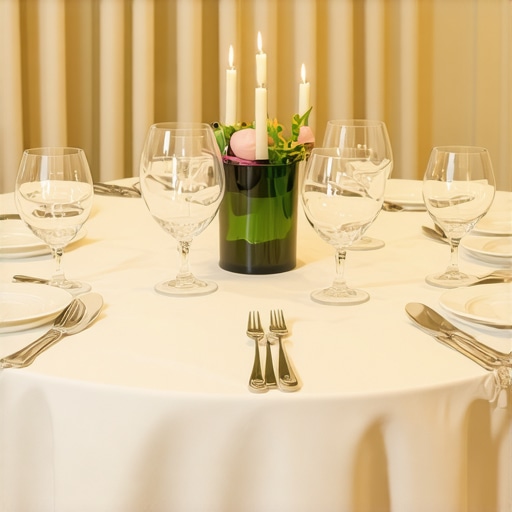
The Hidden Trap of Inadequate Server Training
Another common mistake is assuming any service staff can handle a high-profile executive dinner. High-stakes dining requires servers who possess advanced skills, such as the ability to refill water glasses without being noticed or managing complex dietary restrictions silently. If your service team lacks training in refined techniques, they can easily disrupt the flow of a meeting or make errors that compromise guest safety. To prevent this, it is essential to focus on expert server techniques and vet your staff thoroughly before the event. Knowing how to vet a server’s experience with high-end French service allows you to select professionals who understand the nuances of quiet, efficient, and sophisticated service. Investing in highly trained staff guarantees that the logistics remain invisible, leaving your executives free to focus on their strategic discussions.To keep this level of elite execution working flawlessly over multiple events, you cannot rely on luck or basic hospitality checklists. You need a systematized toolkit that guarantees consistency. In my personal arsenal, the single most critical piece of hardware is the digital, cloud-synced staging board. We use a ruggedized, shared tablet system running specialized event software that mirrors real-time seating charts to both the kitchen and the floor staff. If a VIP guest suddenly switches seats with a colleague right before the soup course, the lead server updates the digital floor plan with one tap. This instantly updates the kitchen’s tablet, altering the plate order without a single word spoken aloud. To execute these micro-adjustments successfully, you should focus on optimizing server efficiency to enhance event satisfaction, which prevents the kitchen from sending the wrong dish to the wrong table. Furthermore, we rely heavily on induction-warming holding cabinets rather than fuel cans. According to the engineering team at Alto-Shaam, precise humidity-controlled holding equipment keeps proteins at the perfect internal temperature for up to four hours without drying them out or altering their texture. This is how we ensure that the pan-seared sea bass served to the late-arriving venture capitalist tastes identical to the one served to the CEO.
How do I maintain flawless executive catering standards over time?
Maintaining this high caliber of execution across a busy corporate calendar requires rigorous, post-event auditing. After every single high-stakes boardroom lunch or gala, I conduct a brief, ten-minute debriefing with my lead servers. We review the feedback loop: Were there any near-misses with dietary restrictions? Did our silent water refills disrupt any conversations? If you want to scale this standard of luxury across larger crowds, you can apply these same precise logistics. Try incorporating luxury wedding catering ideas, such as beautifully styled, individualized mini-stations, into your corporate setups to keep the presentation pristine. Looking ahead, I predict that the next five years will bring biometric or facial-scanning seat mapping into high-security corporate spaces. This technology will allow servers utilizing smart glasses to instantly identify dietary needs without ever needing a physical printed chart or visible card. For now, my advice to you is to immediately stop using generic catering templates. Pick just one of the high-precision tactics we discussed today—whether it is the silent zone-based seating chart or the naturally gluten-free menu base—and implement it at your very next executive meeting. You will notice an immediate shift in the room’s energy, focus, and ultimate business success.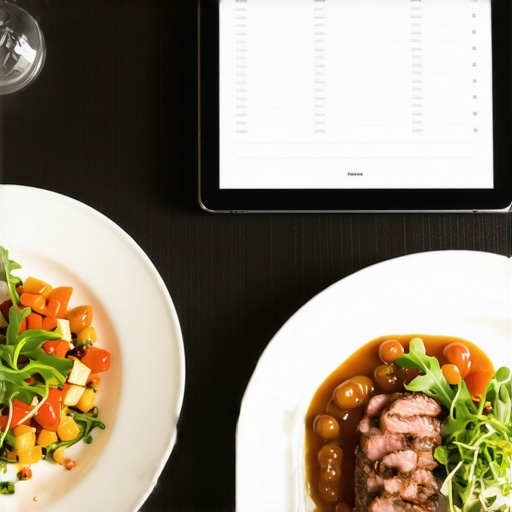
The Brutal Lessons of High-Stakes Hospitality
Over years of managing critical events, I have watched minor oversights snowball into complete boardroom disasters. When executive assistants and planners approach high-end dining, they often overlook the hidden vulnerabilities that experienced teams anticipate. Here are the three most critical lessons I learned the hard way:
- Never trust a verbal RSVP: An executive might say they have no dietary restrictions, only to decline the main course because they recently committed to a strict seasonal cleanse. Always build a modular menu base that accommodates sudden dietary pivots.
- The logistics of staging are as important as the recipe: You can hire a Michelin-starred chef, but if your service team cannot navigate tight physical spaces silently, the culinary quality is completely lost. Understanding the ultimate guide to corporate event catering logistics is what separates successful gatherings from chaotic ones.
- Subtle cues beat direct questioning every single time: Board members hate being interrupted mid-sentence to clarify if they ordered the vegan option. Your servers must use pre-arranged, silent visual cues to deliver plates seamlessly.
The Invisible Dining Toolkit
To consistently execute flawless meals for demanding audiences, you must transition away from standard, generic hospitality checklists. I rely heavily on these specific tools and references to keep our high-profile events operating at peak efficiency:
- Humidity-Controlled Holding Cabinets: Rather than relying on standard warming trays that dry out delicate proteins, we utilize professional cabinets that preserve food texture for hours. This ensures that a late-running meeting does not result in ruined entrees.
- Real-Time Digital Seating Charts: We use interactive, tablet-based floor plans that sync between the kitchen and the floor staff instantly. If an executive shifts seats, the update is made with a single tap, preventing any delivery errors.
- The C-Suite Service Framework: Before any major event, our staff reviews specialized training materials focused on silent dining room navigation. Utilizing expert server techniques ensures that water glasses are filled and plates are cleared without a single verbal interruption.
Elevate Your Next Executive Gathering
Feeding the individuals who shape industries is a high-wire act where the margin for error is non-existent. However, when you replace administrative guesswork with systematic planning and precision execution, dining ceases to be a logistical headache and becomes a powerful tool for business success. By implementing a naturally inclusive menu design and securing highly trained personnel, you show your guests the highest level of professional respect. If you want to ensure your next corporate meeting runs with absolute precision, take the time to partner with the best corporate event servers who understand how to execute silent, elite service in any boardroom setting.
Have you ever hosted an important boardroom lunch where a sudden dietary restriction or service delay threatened to derail the meeting’s flow? Let me know how you handled it in the comments below.