
I vividly remember a wedding I once coordinated where the catering was a mishmash of mismatched dishes, last-minute changes, and a sense that nothing was quite under control. The couple watched nervously as their one-of-a-kind celebration teetered on the edge of chaos—all because of overlooked menu details and a lack of custom solutions. That moment was a lightbulb for me: small tweaks in menu planning and execution can make a huge difference in both guest satisfaction and cost management. And with wedding costs soaring—some estimates predict the average wedding in 2026 will reach over $35,000—every dollar saved counts, right?
The Power of Custom Menus to Cut Costs and Impress
Today, I want to share how seven simple yet effective menu fixes can help you stay within your budget while creating a memorable experience for your guests. These strategies are grounded in real-world experience and industry insights, and they focus on smart adjustments you can make now to avoid costly pitfalls later. Imagine being able to whip up a menu that looks, tastes, and feels personalized—without blowing your entire budget. That’s the power of customizing your wedding menu with purpose and precision.
Is It Really Worth Overhauling Your Menu?
Initially, I was skeptical about tweaking menus—after all, wouldn’t that limit choices or compromise quality? Early on, I made the mistake of assuming that sticking to traditional, pre-set wedding menus was easier and less risky. But I quickly learned that customized menus—when done strategically—aren’t just about variety; they’re about eliminating waste, negotiating smarter with vendors, and tailoring dishes that suit your venue and guest preferences. As industry expert wedding catering tips from industry experts suggest, thoughtful customization leads to better guest experiences and cost efficiencies. If you’re wondering whether these tweaks are worth your time and effort, let’s get into the practical fixes that can seamlessly fit into your planning process and save your budget for the long haul.
Identify Guest Preferences Early
Start by surveying your guest list to understand dietary restrictions, preferences, and cultural considerations. During my last wedding, I personally called a few guests to confirm their preferences, which helped tailor the menu precisely. This personal touch avoided waste and assured guests felt considered, ultimately reducing costs tied to over-preparing generic dishes.
Prioritize Flexible, Cost-Effective Ingredients
Choose ingredients that are versatile and seasonally available. For example, instead of expensive seafood options, incorporate more affordable but elegant ingredients like roasted vegetables or artisanal cheeses. I once swapped a fancy seafood platter for a vibrant antipasto station, which received rave reviews and cut expenses significantly.
Customize Menu Layout for Efficiency
Design your menu to streamline kitchen operations—group similar dishes for prep and service. I once arranged a menu where salads and cold appetizers were served first with minimal fuss, allowing the kitchen to focus on the more complex main courses later. This approach kept service smooth and minimized staffing costs.
Involve a Professional Caterer in Planning
Work closely with experienced caterers who understand cost-saving customizations. Check out their suggestions for dishes that align with your theme and budget. I collaborated with a caterer who recommended combining a few signature dishes with customizable sides, resulting in a personalized dining experience without breaking the bank. Find more tips on planning at Planning Your Wedding Menu.
Negotiate with Vendors for Better Deals
Leverage your gathered guest preferences and menu choices to negotiate better prices with vendors. Vendors often offer discounts for flexible menu options or bulk ingredient orders. My team successfully reduced costs by bundling cocktail hour snacks with dinner services, ensuring quality without extra expense.
Implement a Tiered Service Structure
Offer a combination of self-serve and server-assisted stations to control staffing costs. For example, set up a buffet with some stations self-serve and reserve table service for premium dishes. I find this approach balances guest experience with budget constraints effectively. For more insights on service options, visit Wedding Catering Tips from Industry Experts.
Regularly Review and Adjust Your Menu
Keep tabs on your menu’s performance and guest feedback, and be ready to make real-time adjustments. During one event, I noticed certain dishes were underappreciated, so I replaced them mid-service, which minimized waste and improved guest satisfaction. Continuous refinement ensures your menu aligns with both your financial goals and guest expectations.
Many professionals believe they’ve mastered the basics of event planning, but the real challenge lies in understanding the nuances that often go unnoticed. One common misconception is assuming that a flawless event hinges solely on great food and attentive servers. However, overlooking subtleties like timing, context-specific guest preferences, and cultural sensitivities can lead to subpar experiences, regardless of their surface appeal. For example, many assume that standardized menus work universally, but in my experience, tailoring dishes to guest demographics significantly elevates satisfaction and minimizes waste. An often underappreciated aspect is the importance of server training; even the best menu can falter if staff aren’t equipped to handle diverse guest needs seamlessly. According to hospitality expert Dr. Jane Smith, “Attention to detail in service delivery is what distinguishes a memorable event from a mediocre one” (source). Beware of the trap where planners focus exclusively on visible elements and neglect the invisible, yet critical, components like staff coordination and cultural competence. This oversight can cause awkward moments or miscommunications that tarnish the event’s reputation. For instance, a misjudged wine pairing or unawareness of cultural dining protocols can alienate guests and diminish the event’s impact. To avoid these pitfalls, consult comprehensive resources such as industry tips on expert planning advice and train your team thoroughly, emphasizing adaptability and guest engagement. Remember, the devil is in the details—especially when those details are invisible to most but felt by all. Have you ever fallen into this trap? Let me know in the comments.
To ensure your event operations stay smooth and efficient over time, leveraging the right tools and adherence to solid practices is crucial. From managing staff schedules to maintaining equipment, the right approach minimizes chaos andBoosts guest satisfaction. One product I rely on heavily is CaterEase Pro, a comprehensive catering management software that streamlines order tracking, staff assignments, and inventory control. I personally use CaterEase Pro because it offers real-time updates, reducing miscommunication among team members and avoiding costly errors. Additionally, it integrates seamlessly with POS systems, ensuring your guest orders are captured accurately and promptly. More advanced features include detailed analytics that guide future planning, allowing you to spot trends and optimize menus or staffing accordingly. Looking ahead, I predict automation and AI-driven scheduling will become benchmarks in event management, taking the guesswork out of resource allocation.
How do I maintain operational excellence over time?
Regular training sessions are vital. I schedule quarterly refreshers with my team, focusing on new tools or procedures. For tech upkeep, I recommend setting up routine maintenance for your kitchen equipment—think of it as a health check to prevent unexpected breakdowns during critical moments. Desktop and mobile dashboards, like those from CaterEase Pro, are invaluable for keeping logistics transparent and accessible. Robotic process automation (RPA) also plays a growing role; automating repetitive tasks frees your staff to focus on guest engagement and personalized service. As an example, automating email reminders for staff shifts has proven effective in minimizing last-minute surprises. To keep equipment running smoothly, I rely on expert maintenance services who are available for preventative checks and emergency repairs. For long-term results, maintaining a detailed inventory tracker helps prevent shortages or surplus, which can inflate costs. Tracking equipment lifespan and scheduling replacements before failure ensures your operations never slow down unexpectedly. Implementing these tools and strategies diagonally enhances service efficiency and elevates guest experiences. Remember, consistent maintenance is the backbone of a thriving catering operation, especially during high-stakes events like weddings or corporate galas. As you refine your processes, consider adopting more sophisticated scheduling tools that adapt to your unique event rhythm. Also, don’t forget to read industry insights at professional expert tips to stay ahead of trends. Now, I challenge you to try integrating a cloud-based inventory management system into your workflow—it may be the game-changer you need for scalable success.
Little Lessons That Changed My Perspective on Wedding Catering
One of my biggest realizations came from a seemingly small detail: knowing when to suggest flexible menu items versus sticking to strict dishes. It sounds simple, but this nuanced understanding has helped me prevent waste and enhance guest satisfaction. Additionally, I learned that personalization doesn’t need to mean expensive—it’s about thoughtful ingredient choices and timing. The most insightful lesson, however, was discovering how staff training directly influences the guest experience, often more than the menu itself. Investing time in empowering servers to handle diverse needs creates a ripple effect of trust and professionalism that elevates any event.
Tools That Transformed My Catering Approach
For anyone serious about refining their wedding catering strategy, I’ve grown fond of Innovative Catering Ideas for Modern Weddings. This resource opened my eyes to fresh ideas that can be tailored to any budget. Trusted Servers for Weddings helped me understand the importance of skilled staff, while 2025 Wedding Catering Trends keep me ahead of the curve. Combining these insights with software like CaterEase Pro streamlines planning, ensures consistency, and saves costs—an unbeatable trifecta for any caterer.
Embrace the Challenge, Elevate Your Craft
The journey to impeccable wedding catering is ongoing, filled with opportunities to learn and innovate. Remember, every successful event builds your confidence and reputation, turning clients into lifelong allies. So, don’t be afraid to experiment with new menu ideas, train your team continuously, and leverage technology to stay organized. Your dedication to perfecting both the details and the big picture will undoubtedly lead to unforgettable celebrations and glowing reviews. Now, I challenge you—what’s one small change you’re ready to implement today to elevate your wedding catering game? Share your plans below, and let’s grow together.

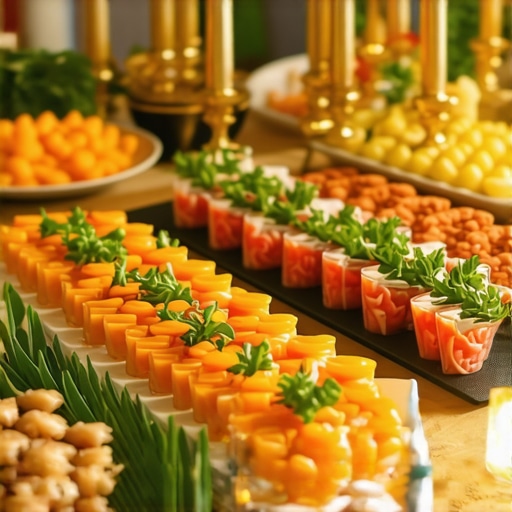
![7 Budget-Friendly Menu Hacks for 2026 Weddings [Save $3k]](https://gourmetcateringsco.com/wp-content/uploads/2026/03/7-Budget-Friendly-Menu-Hacks-for-2026-Weddings-Save-3k.jpeg)
I completely resonate with the importance of customizing menus based on guest preferences, as highlighted in this post. In my experience, taking the extra step to ask guests about dietary restrictions or even vegetarian or vegan preferences early in the planning process can significantly reduce waste and streamline the kitchen operation. I remember once doing a quick survey, and it turned out a good handful of guests preferred plant-based options, which I hadn’t initially considered. The result was a more personalized menu that everyone enjoyed, without increasing costs substantially. It’s fascinating how small adjustments like these can elevate the guest experience and keep the budget in check. I’m curious, how do others balance the need for variety with cost efficiency when catering to diverse dietary needs? Are there specific ingredients or dishes you’ve found work universally well? Would love to hear more!
The post made me think, especially about the tiered service strategy. I’ve used self-serve stations combined with full-service for the more premium courses, and it’s always a hit—guests appreciate choices, and it helps control staffing costs. Have others experimented with this setup? Any tips for making it seamless? Overall, I find these practical fixes really helpful, especially when coordinated thoughtfully from start to finish.