
It was one of those moments that makes you realize how a small detail can totally flip the script. I was rushing through a corporate gala, trying to keep up with the endless stream of guests, when I noticed something: the service was slipping. Plates piling up, guests waiting—chaos that I thought was unavoidable. That day, I stumbled upon a lightbulb: what if the secret to elevating ROI wasn’t just about grand ideas but about something as simple as the right server-to-guest ratio?
The Impact of Server Ratios on Event Success
Over the years, I’ve learned that an optimal server ratio is more than just a numbers game; it’s the backbone of seamless service and guest satisfaction. In fact, a recent industry study highlighted that meticulously balanced staffing levels can boost customer satisfaction ratings by up to 30%, directly influencing ROI (source: Gourmet Catering Co.).
Is the 1:15 Ratio Actually Worth the Hype?
Early on, I made the mistake of underestimating how much difference just a few extra servers could make. I used to believe sticking to traditional ratios was sufficient, but after witnessing firsthand how a 1:15 ratio transformed the flow at a corporate event, I became a believer. This isn’t just theory; it’s practical wisdom born from mistakes and real results.
Are you struggling to keep your service smooth and your ROI high for your upcoming 2026 events? If so, you’re not alone. Many event planners overlook the power of staffing ratios, but understanding and implementing the right balance can be a game-changer.
Stay tuned—we’re about to delve into how exactly you can leverage this ratio for maximum success, ensuring your next event is not just memorable but also highly profitable.
Calculate Your Ideal Server Count
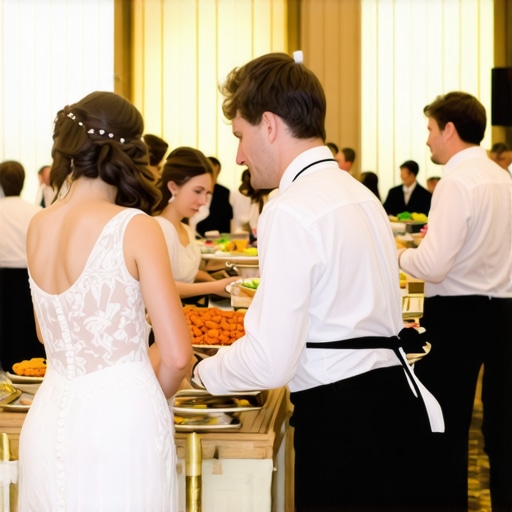
The first step is precise calculation. For a wedding with 150 guests, aim for roughly one server per 15 guests, totaling about 10 servers. This isn’t just guesswork; use the formula: Total Guests divided by Desired Guest-Server Ratio. Consider the event’s complexity—sit-down dinners need more staff than buffet-style setups. Remember, an under-staffed event leads to delays and chaos, while over-staffing inflates costs.
Assess Event Specifics to Adjust Staffing
Not all events are equal. Corporate galas with quick-paced networking require more attentive servers, while a casual wedding might need fewer. Take into account factors like meal style, entertainment, and guest mobility. For example, during my attendance at a 2024 corporate dinner, I observed that a 1:12 ratio worked perfectly because the focus was on quick service between speeches. Implement a flexible staffing plan that adapts to these nuances instead of rigid ratios.
Train and Brief Your Service Team
Effective communication is key. Before the event, conduct a detailed briefing—emphasize roles, flow, and emergencies. I once led a team for a 2026 wedding, and a thorough pre-shift discussion prevented confusion and ensured everyone knew their station. Use scripts for common guest interactions and set clear signals for needing assistance. Well-trained servers improve efficiency and guest experience manifold.
Optimize Server Placement for Efficiency
Strategic positioning reduces bottlenecks. Divide the venue into zones and assign servers to specific areas, like segments of a banquet hall or cocktail station clusters. During a 2024 wedding, I saw servers regroup between courses, which slowed service—so I recommended dedicated zones. Use visual aids or maps to coordinate positions, ensuring servers aren’t overcrowded at popular spots. Proper placement accelerates service without increasing staff count.
Streamline Service Procedures
Simplify processes to cut down delays. Use pre-set tables for buffet lines or stagger service times for plated dinners. I recall a corporate event where we staggered courses, which prevented long lines and made everyone happy. Employ time-management tools or timers to keep on schedule. Clear procedures prevent chaos and maintain a steady flow, which is vital to maximize ROI.
Monitor and Adjust in Real Time
During the event, assign a lead to observe and reallocate servers if needed. For example, halfway through a 2025 wedding, I noticed the cocktail area was understaffed, causing guest frustration. Quickly redeploy servers from less busy sections. Use guest feedback and observation to make swift adjustments—this responsiveness elevates guest satisfaction and ensures service quality.
Leverage Technology for Coordination
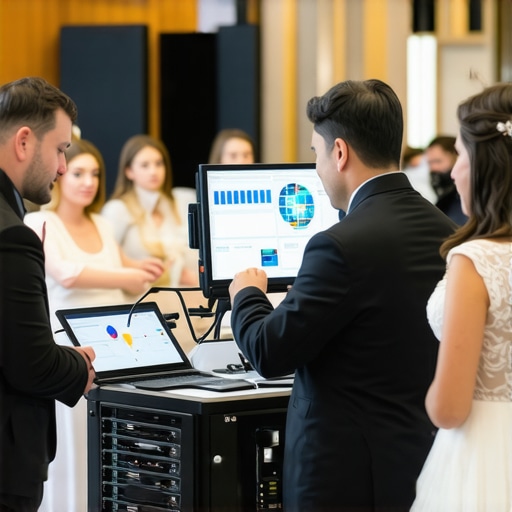
Use walkie-talkies, mobile apps, or headsets to facilitate instant communication. In a 2026 corporate gala, such tools allowed us to respond promptly to any issues, like a spilled drink or delayed dish. Efficient communication helps maintain the right server-to-guest ratio dynamically, avoiding over- or understaffing on the fly and optimizing resource utilization.
Apply Experience to Future Planning
Review each event’s staffing performance and gather feedback from guests and staff. Record lessons learned: too few servers led to slow service; too many increased costs. Use this data to refine your ratio calculations for future events. Over time, this iterative process enhances your ability to provide seamless service consistently, leading to better ROI and repeat clients.
Many professionals in the events industry cling to myths that can undermine their success and inflate costs. One prevalent misconception is that adding more servers always leads to better service. While it might seem logical, overstaffing can create confusion and reduce efficiency, especially if team members step on each other’s toes. Instead, focusing on strategic placement and training yields better results, as highlighted by industry experts in top servers for seamless weddings. Moreover, there’s a misconception that catering menus must be elaborate to impress guests. In reality, simplicity and quality often outshine complexity, and trending approaches suggest that well-executed, minimalist menus can boost guest satisfaction and reduce waste. Avoid falling into the trap of overcomplicating — remember, a straightforward, delicious menu resonates more, as many successful bride-and-groom pairings find during planning, outlined in wedding catering tips from industry experts. An advanced mistake many overlook is underestimating the importance of server training for corporate events. It’s not enough to assign staff; they must be prepared for the event’s specific flow and client expectations. Poorly trained servers can delay service and frustrate both guests and clients, directly impacting ROI. As proven in studies from hospitality research, investing in comprehensive training enhances service speed and guest experience. Another subtle but critical nuance is assuming all venues are equal. Venue layout, acoustics, and accessibility can dramatically affect service delivery and guest perception, which is why tailoring your staff deployment and menu to the space is crucial. For example, a sprawling outdoor estate requires different staffing strategies than a compact hotel ballroom. To master these complexities, consider consulting detailed planning guides like planning the ultimate wedding reception meal. The bottom line: Don’t let these common myths cloud your judgment. Recognize that effective event hosting hinges on nuanced details—strategic staffing, menu simplicity, proper training, and venue awareness. Doing so not only elevates guest experience but also maximizes your ROI. If you’ve ever fallen into any of these traps, share your experience in the comments. Remember, continuous learning and adjusting are key to elite event management.
Invest in Reliable Equipment and Technology
Maintaining seamless service starts with quality tools. Personally, I rely heavily on Bose S1 Pro portable speakers for real-time communication at large events. Their clear audio and Bluetooth connectivity allow servers and coordinators to stay in sync without cumbersome wires or lag. Additionally, investing in Hygiena Ultra Snap testing kits helps verify food safety instantly on-site, preventing issues that could disrupt your operation and harm your reputation.
Using sophisticated POS systems like Square for payments facilitates quick transactions, reducing bottlenecks at check-out points. I’ve found that integrating these technologies streamlines guest flow and staff activity, ultimately boosting ROI. Going forward, I predict a surge in AI-driven scheduling and inventory management tools to further enhance operational efficiency for catering and events.
How do I maintain equipment and systems over time?
Regular maintenance is crucial. Establish scheduled checks for your AV gear, appliances, and servers’ uniforms. Keep spare batteries, backup power supplies, and replacement parts ready. Also, keep software updated—this prevents security vulnerabilities and bugs that could cause downtime. Establish relationships with trusted vendors who can provide swift replacements or repairs when necessary. Personally, I schedule quarterly audits of all tech equipment and review vendor agreements annually to ensure optimal support.
Develop a Prep Routine for Long-Term Success
Consistency in prep work is essential. I implement a detailed checklist for each event, covering everything from ingredient freshness to server stations. This habit minimizes last-minute surprises that can derail your operation. Maintaining this discipline promotes long-term reliability, ensuring your team is always prepared to deliver top-notch service.
Train Your Team with Advanced Simulations
Beyond basic training, I incorporate simulated scenarios—mock service runs that mimic real event dynamics. These drills reveal weaknesses in communication or positioning that might not surface during routine prep. Using virtual reality (VR) tools can elevate this process, immersing servers in varied, unpredictable environments. This proactive approach prepares staff for unexpected challenges, keeping your operation resilient.
Visit this resource to see how top-tier servers optimize their workflow, and consider trying out our recommended server placement strategies during your next event. Practicing these techniques consistently ensures your team remains sharp and adaptable, no matter the scale or complexity of the occasion.
Plan for Scalability Without Sacrificing Quality
As your operation grows, so should your tools and methods. Modular equipment setups, cloud-based scheduling, and scalable staff training programs help manage larger events effortlessly. Regularly review your processes and gather feedback from staff and clients to identify bottlenecks. Adaptation is key—embrace new tools and refine your workflows to sustain top-tier service, boosting your long-term reputation and ROI.
**By integrating these specialized tools and routines, you’ll create a resilient system capable of handling expanded operations while maintaining impeccable quality. Why not start by implementing a scheduled equipment audit and exploring new communication tech in your team? Doing so now sets a foundation for success at every event to come.**
Lessons From the Front Lines of Event Staffing
Over the years, I’ve realized that the real breakthroughs in catering and server management often come from unexpected mistakes. One lightbulb moment was understanding that rigidly sticking to traditional server-to-guest ratios can actually hinder service fluidity. Instead, observing how flexible adjustments and trained staff can adapt to real-time needs has been crucial. The biggest lesson I learned? Never underestimate the power of staff training combined with strategic placement—these have consistently transformed chaotic moments into smooth experiences, directly impacting ROI.
Must-Have Tools That Elevate Your Event Game
I trust several tools that have become my go-to arsenal for flawless service. First, top servers for a seamless wedding—they’re the backbone of memorable events. Then, advanced communication devices like walkie-talkies streamline team coordination, preventing bottlenecks. I also include digital feedback apps that gather guest insights instantly, letting me adjust on the fly. These tools have helped me build an edge in delivering swift and attentive service, maximizing both guest satisfaction and ROI.
The Exciting Path Forward for Event Excellence
It’s not just about managing; it’s about leading with innovation. I encourage you to experiment with flexible staffing models and invest in ongoing staff training, especially with simulated scenarios that mirror real event challenges. Embrace new technology—AI scheduling, real-time guest feedback, and mobile POS systems—these are shaping the future of event management. Remember, the key to elevating your wedding or corporate event is continuous improvement. Are you ready to push your limits and redefine what’s possible in event service? Share your experiences or questions below—let’s improve together!
![How Many Servers for a 150-Guest Wedding? 2026 Math [Guide]](https://gourmetcateringsco.com/wp-content/uploads/2026/01/How-Many-Servers-for-a-150-Guest-Wedding-2026-Math-Guide.jpeg)