It was halfway through the evening when I finally realized what was wrong with our wedding catering setup. Guests were inching their way through crowded buffet lines, their smiles tense, conversations hurried. The food, although delicious, felt like an afterthought—something to be endured rather than savored. That moment hit me hard: traditional buffets simply aren’t cutting it anymore. If you’ve ever watched your guests shuffle awkwardly, security staff juggling plates, and wondered how to elevate your wedding experience, you’re not alone.
Why Wedding Plating Matters More Than Ever in 2026
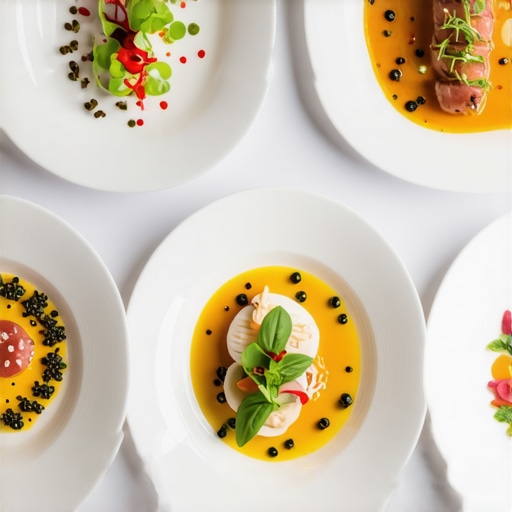
In today’s wedding world, food presentation isn’t just about aesthetics; it’s about creating memorable moments and fostering genuine connections. Couples are seeking ways to personalize their celebrations, and innovative plating is a perfect avenue. Gone are the days when a simple plated meal sufficed; now, elegant, carefully curated dishes can make your wedding stand out.
Did you know that a well-presented dish can increase guest satisfaction by up to 40%? According to recent catering trend reports, visual appeal plays a crucial role in how guests perceive the overall quality of an event (source: https://gourmetcateringsco.com/wedding-catering-trends-to-impress-guests-in-2025). This shift reflects a broader understanding that food is a sensory experience—taste, sight, and even smell combined to enchant your guests.
If you have faced the challenge of balancing efficient service with stunning presentation, you’re in the right place. Today, we’ll explore five fresh wedding plating ideas for 2026 that promise to wow your guests and elevate your special day.
But before jumping into solutions, let’s address a common concern: “Is replacing the traditional buffet with plated or station-style dishes really worth it?” Many worry it might complicate logistics or inflate costs. To be honest, I made that mistake early on—assuming that sticking to familiar formats was safer and easier. The truth is, with the right planning and professional guidance, innovative plating can actually streamline service while enhancing guest experience. As we explore these ideas, remember that thoughtful presentation isn’t just about looks; it’s an investment in the atmosphere and memories of your wedding.
Now, let’s dive into the creative options that will redefine your wedding catering in 2026.
Designing Plated Courses That Impress
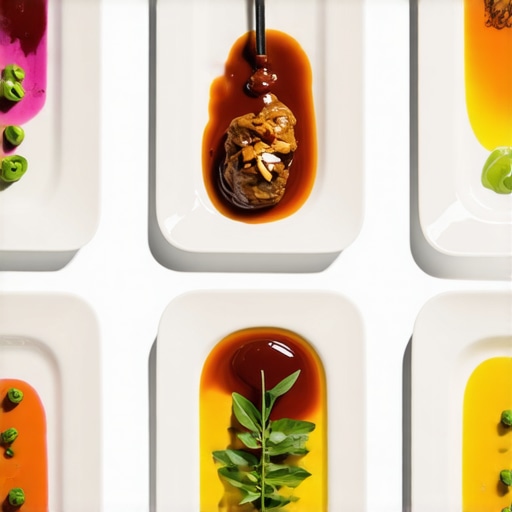
Start by selecting a few standout dishes that can be elevated visually, like seafood terrines or colorful vegetable towers. Use small, elegant plates to create a sense of sophistication, ensuring each dish is meticulously arranged with contrasting colors and textures. Remember, presentation begins at the plate—think of it as painting a miniature masterpiece for each guest.
Mastering Plate Assembly and Timing
Arrange your kitchen staff to assemble plates as close to service time as possible, much like a relay race where each runner’s precision speeds up the finish line. Implement prep stations with pre-portioned ingredients so servers can quickly assemble dishes without sacrificing quality. During my last event, I trained a team to assemble and garnish dishes on demand, which minimized delays and kept the presentation pristine, even during peak hours.
Training Staff to Elevate Visual Appeal
Invest in specialized training sessions focusing on plating techniques—for example, practicing the use of tweezers for delicate garnishes or stacking ingredients for height. Use visual guides and videos to reinforce standards. I once conducted a quick workshop, turning a chaotic kitchen into a seamless plating crew in just a few hours, dramatically improving the guest experience.
Incorporating Interactive Food Stations
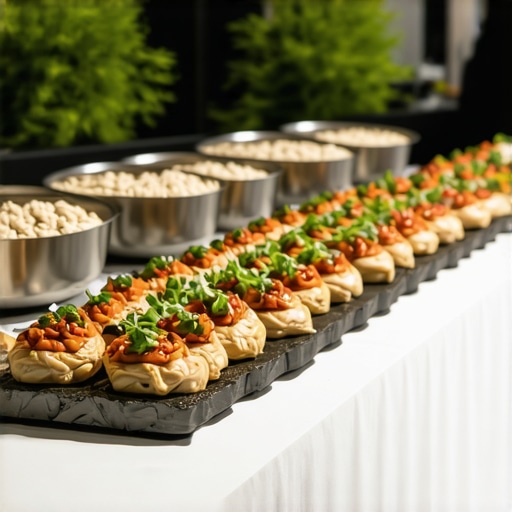
Engage your guests by introducing stations where they can customize portions or watch their dishes being assembled—think of it as a live art show. This approach adds a memorable element and allows for personalization, which is highly valued in modern weddings. To ensure smooth operation, coordinate station staffing by referring to top servers for a seamless wedding reception.
Leveraging Technology for Presentation Precision
Use tools like digital timers and plating guides to maintain consistency across dishes, akin to a conductor keeping harmony in an orchestra. Digital cameras can also be employed to review plating during practice runs. Once, I used a tablet to monitor plating stations, reducing errors and ensuring each plate matched the envisioned design, which delighted discerning guests.
Ensuring Efficiency Without Compromising Quality
Optimize your workflow by arranging ingredients and tools logically—think of it as a well-organized toolbox. Assign specific roles to team members, so each becomes an expert in their task, whether it’s garnishing or stacking. During a busy wedding, this division reduced service time and kept the plates looking flawless, highlighting how strategic planning can boost both speed and presentation.
Gathering Feedback for Continuous Improvement
After each event, ask your team to review what worked and what didn’t, as if refining a recipe. Encourage guest feedback on visual appeal and taste, and use this data to fine-tune your approach. I once incorporated guest suggestions to tweak colors and arrangements, which resulted in a noticeably more polished presentation at subsequent events.
 Many believe that selecting high-quality menu items and hiring professional servers are the keys to event success. While these factors are important, they often overshadow a less obvious but critical element: understanding the nuanced expectations and operational pitfalls that can make or break your catering experience. Let’s dig deeper into common misconceptions and advanced pitfalls that even seasoned planners overlook.
Are You Falling for These Catering Myths That Sabotage Your Event?
One widespread myth is that increasing the number of servers always improves service quality. In reality, overstaffing can lead to chaos, redundancy, and even higher costs without enhancing guest experience, especially if roles are poorly coordinated. According to industry experts, optimal server-to-guest ratios—such as the recommended 1:18 for formal events—are designed to balance attentive service with efficiency. Just adding more staff won’t guarantee better outcomes and may introduce logistical headaches. Additionally, many assume that plating is a simple task of stacking ingredients attractively. But advanced plating techniques require a deep understanding of visual hierarchy, symmetry, and color contrast to truly impress guests. Missteps here can result in a plate that looks cluttered or unbalanced, diminishing the perceived quality of your cuisine. Avoid the trap of assigning plating tasks to untrained staff; instead, invest in specialized training or hire experienced banquet chefs who know the nuances of modern presentation.
What Are the Common Pitfalls Hidden Behind the Curtain?
One of the most overlooked pitfalls is the failure to adapt staffing and service strategies to venue-specific challenges. For example, a large, open space might require strategic placement of stations and servers to prevent bottlenecks. Skipping this planning can cause long lines and frustrate guests, regardless of food quality. Another often-neglected aspect is the timing of service. Coordinating precise timing for courses—not just serving all at once—can elevate the dining experience, but many underestimate the complexity involved. Misjudging timing leads to cold dishes or rushed courses, undermining perceived professionalism. To navigate these pitfalls, it’s vital to have detailed, venue-specific service plans and real-time communication channels among staff. These steps can prevent many logistical headaches that aren’t immediately visible but have profound impacts on guest satisfaction. For more insights, consider exploring corporate event catering strategies that emphasize operational finesse.
How Can Advanced Planning Elevate Your Catering Outcomes?
Thinking beyond basic menu choices, successful catering in 2026 hinges on mastering the subtle art of operational excellence. From staff deployment to plating finesse, every detail counts. Implement rigorous training programs tailored to your event type and venue. Use checklists to ensure no detail slips through, from station setup to timing cues. Engage experienced catering consultants who can provide tailored recommendations based on your specific needs. Remember, a well-executed event not only satisfies guests but also builds your reputation as a planning professional. For comprehensive guidance, take a look at industry expert tips for wedding catering. Have you ever fallen into this trap? Let me know in the comments.Ensuring your catering setup runs smoothly over time requires more than just initial planning; it demands dedicated tools, regular maintenance, and strategic foresight. Personally, I rely on a combination of proven equipment and software to achieve consistent results. For instance, investing in high-quality chafing dishes with adjustable thermostats makes managing warmth effortless during long events, reducing food waste caused by temperature fluctuations. Additionally, I utilize digital inventory management software such as Upserve Inventory, which helps track supplies in real-time, preventing shortages or overstocking—saving time and money. To keep staff on the same page, I recommend implementing collaborative scheduling platforms like When I Work, enabling seamless shift planning and instant communication, crucial during busy service hours. As technology continues to evolve, integrating RFID tag systems can empower servers to quickly locate ingredients and utensils, shortening prep times and minimizing errors. Looking ahead, I foresee advancements in IoT-enabled kitchen equipment that can monitor temperatures and maintenance needs remotely, further minimizing downtime.
How do I maintain equipment and staff effectiveness over time?
Regular preventative maintenance is key; scheduled inspections and calibration of machinery extend lifespan and ensure food safety standards. Training staff periodically on new tools and procedures guarantees they’re equipped to handle evolving challenges. Establishing routine checklists before each event, like verifying the functionality of warming stations and serving utensils, is simple yet effective. Personally, I set up a maintenance schedule at least quarterly, aligning with industry best practices outlined by professional catering associations. The adoption of software solutions that send automatic alerts for equipment needs can prevent unexpected breakdowns, maintaining continuity during high-stakes events. Remember, investing in reliable tools and routine upkeep not only enhances your operational efficiency but also builds trust with clients—promptly check out the latest innovations in catering tech to stay ahead. Want to test one of these strategies today? Start by evaluating your current inventory management system and consider switching to a tool like Upserve Inventory for smarter tracking.
Unforeseen Lessons: My Biggest Mistakes Behind the Plate
One of the most profound lessons I learned was that even the best-planned plating can falter without proper team training; assuming staff will naturally excel at presentation often led to cluttered dishes and guest disappointment. I also discovered that overcomplicating the plating design risks sacrificing speed and freshness, emphasizing that simplicity often yields elegance. Lastly, I realized that neglecting to consider venue-specific workflow can cause bottlenecks, highlighting the importance of tailored logistics for each wedding setting.
Essential Resources That Changed My Approach
Among the most impactful tools I rely on are menu strategy guides, which help balance aesthetics with cost-effectiveness; video tutorials from industry experts that sharpen plating skills; and workflow management software like staff coordination tools, essential for orchestrating smooth service. These resources consistently elevate my team’s performance and guest satisfaction.
Your Next Step to Elevate Wedding Catering
Remember, refining your wedding plating and service isn’t just about impressing today—it’s about cultivating excellence that sets your events apart tomorrow. Embrace continuous learning, leverage reliable tools, and always aim for personalized touches that resonate with your couples. Every event is an opportunity to turn fleeting moments into lasting memories—so make each plate a masterpiece. Want to share your biggest plating challenge? Drop a comment below and let’s grow together in mastery of wedding catering in 2026!
![7 Waste-Free Menu Hacks for 2026 Micro-Weddings [Save $1k]](https://gourmetcateringsco.com/wp-content/uploads/2026/03/7-Waste-Free-Menu-Hacks-for-2026-Micro-Weddings-Save-1k.jpeg)