It was one of those moments that makes you realize how tricky wedding planning can be. There I was, overseeing a reception, watching plates go cold on the buffet table because of slow service and tight budgets. My stomach sank—not just from the cold food, but from the stress of trying to make everything perfect without breaking the bank. I wondered, “How can I possibly serve a memorable meal to 200 guests for under $50?” That lightbulb moment kicked off my journey into affordable, creative catering solutions.
Breaking the Budget Barrier: How to Wow on a Dime
In the world of wedding planning, flexible yet cost-effective catering strategies are essential. When faced with tight budgets, many assume that serving a variety of dishes or creating elaborate displays is off-limits. But trust me, with a little creativity, you can impress your guests—without overspending. Today, I’ll share proven ideas based on my personal experience that will help you gently stretch your dollar while delivering a satisfying, memorable meal.
Is Fancy Food Actually Worth the Hype?
A common misconception is that fabulous food requires a hefty price tag. I once fell into the trap of believing that only high-end caterers could deliver quality. Early on, I made the mistake of choosing a pricey menu that didn’t really fit the budget but promised ‘luxury.’ The result? Cold plates, limited options, and a stressed-out bride. That’s when I learned that focusing on core flavors, quality ingredients, and smart presentation can outperform expensive menus. For more ideas, check out [wedding catering trends to impress guests in 2025](https://gourmetcateringsco.com/wedding-catering-trends-to-impress-guests-in-2025), which highlights innovative approaches that are both trendy and budget-friendly.
Do you find yourself constantly battling to offer enough variety while keeping costs low? If so, you’re not alone. Like many, I’ve wished for a way to serve delightful meals without the sticker shock, and I’m here to tell you—it’s entirely doable. Up next, we’ll explore some concrete, creative strategies to get your guests fed without breaking the bank, even with a shoestring budget.
Streamline Your Menu Choices
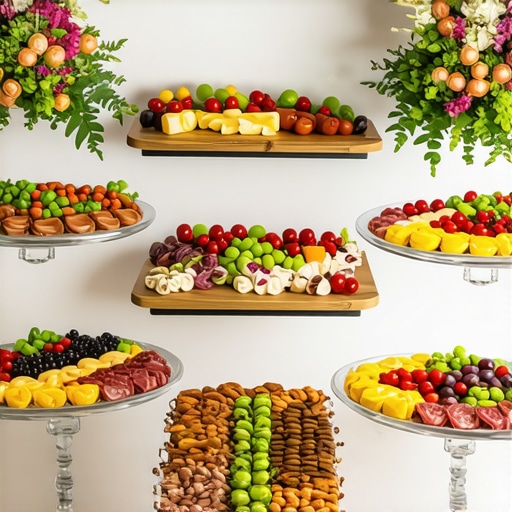
Start by focusing on a few high-quality, crowd-pleasing dishes instead of trying to serve a wide variety. For instance, instead of multiple appetizers, opt for a signature dish like gourmet sliders or a cheese and fruit platter that can be prepared in bulk. I once coordinated a wedding where we limited the menu to three main options and saw a significant reduction in both costs and wastage. The key is selecting versatile ingredients that can be used across multiple dishes, saving money and simplifying prep.
Opt for Pre-Plated or Family-Style Serving
Pre-plated meals might seem costly upfront, but they reduce wait times and minimize the need for extra staff—saving you money. During a wedding I organized, switching from a buffet to pre-plated served dishes cut down service time and ensured hot, fresh food for all guests. If a full-service approach isn’t feasible, family-style service is a great alternative, fostering a communal feel while keeping costs predictable. Check out this guide for detailed benefits.
Leverage Creative, Low-Cost Presentation
Visual appeal doesn’t mean expensive ingredients—it’s all about presentation. Use rustic wooden platters, vases filled with fresh herbs, or colorful garnishes to elevate simple dishes. I remember transforming a basic veggie platter into a stunning centerpiece by arranging vegetables creatively and adding edible flowers, impressing guests without extra expense. Such touches make the food memorable and make your budget stretch further.
Utilize Food Stations to Engage Guests
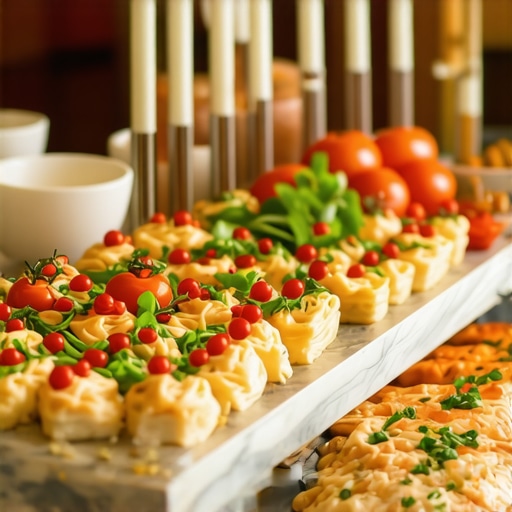
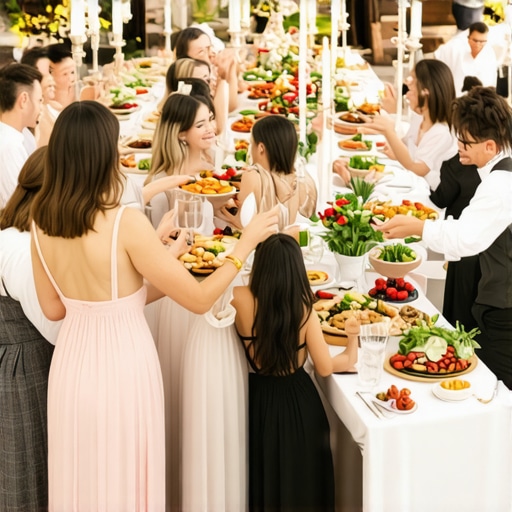
Instead of traditional buffets, consider interactive food stations like taco bars, pasta stations, or build-your-own salad setups. These allow guests to customize their meals, reducing waste and controlling portions. During a recent wedding, setting up a live pasta station with affordable ingredients received rave reviews. Also, it gives servers more control over flow, preventing long lines—a common headache at busy receptions. To ensure optimal flow, see this article on efficient server deployment.
Choose Efficient Staffing Solutions
Staffing can make or break your catering budget. Too many servers, and costs skyrocket; too few, and guests wait too long. Aim for a ratio of roughly 1 server for every 15-20 guests during dinner service. I once helped a client reduce server numbers by scheduling them strategically—more staff during peak moments, fewer during casual mingling. Training your servers on effective flow and quick service techniques ensures smooth operation. For specifics, review this resource.
Cut Waste and Maximize Resources
Food waste is a major budget killer. Plan portions carefully, and coordinate with your caterer to donate leftovers or repurpose ingredients for next-day events. During a wedding I managed, detailed headcount estimates helped order just enough food, saving hundreds. Also, repurposing ingredients across dishes reduces procurement costs. Implementing these practices ensures every dollar is used effectively, and nothing goes to waste.
Many assume that excellent catering and seamless server service are simple matters of choosing the right menu and hiring staff. However, even seasoned professionals often overlook subtle nuances that can make or break an event’s success. Let’s dig deeper into what most people get wrong about corporate events, weddings, servers, and catering, challenging common beliefs and revealing the unseen pitfalls.
A prevalent misconception is that increasing staff numbers always improves service quality. In reality, overstaffing can lead to chaos, confusion, and inflated costs. Properly trained, well-coordinated teams—like those discussed in professional server strategies—are far more effective than simply adding more bodies. The key lies in optimizing server ratios and ensuring clear communication, which often goes unnoticed by clients aiming for ‘more is better’.
Moreover, many believe that the most expensive menus impress guests the most. But in my experience, the reverse can be true. Overly elaborate dishes with complex presentations can backfire, especially if not executed properly, leading to cold plates and wasted ingredients. Instead, focusing on high-quality, well-executed simpler offerings—like using vibrant garnishes or innovative plating techniques highlighted in pre-plated menu strategies—can elevate the dining experience without breaking the budget.
One critical trap I’ve observed is the tendency to prioritize menu variety over execution efficiency. A common error is offering a vast selection of dishes that strain kitchen capabilities and prolong service times. This can lead to cold food and frustrated guests. Instead, aim for a curated, streamlined menu that aligns with your team’s operational strengths. For example, focusing on a few signature items with great presentation can leave a lasting impression.
Are you familiar with the concept of server-to-guest ratios beyond the basic guidelines? Many think that adhering to a traditional 1:15 ratio suffices, but modern best practices advocate for more nuanced calculations, considering event type and flow. As explained in expert tips on server ratios, optimizing staffing levels can prevent bottlenecks and improve guest satisfaction.
Another overlooked aspect is the importance of proactive communication and preparation among the catering team. Small lapses in briefing or unclear instructions can result in service delays or mistakes. Use comprehensive pre-event coordinations, like detailed checklists and role assignments discussed in wedding catering planning, to mitigate these issues.
Have you ever fallen into this trap? Let me know in the comments. Remember, mastering these nuances ensures your events are not just successful but memorable—delivering trust and establishing your reputation in this vibrant industry.
Maintaining Excellence Over Time with the Right Tools
Consistency in catering requires more than just talent; it hinges on utilizing the right equipment and software to streamline operations. Personally, I swear by Toast, a point-of-sale system tailored for food service. Its intuitive interface allows servers to process orders swiftly, minimizing delays during peak times. Additionally, it offers real-time inventory tracking, which helps prevent shortages and overstocking, ensuring your team always has what they need without wastage. As the catering industry evolves, integrating such software becomes even more critical for maintaining high standards.
For managing staff schedules and ensuring enough coverage, I rely on Deputy. It simplifies shift planning, communicates schedules to staff instantly, and helps monitor compliance. This reduces last-minute chaos and keeps service smooth. A tip I often use: set up automated alerts for upcoming shifts or shift changes to prevent gaps in coverage, especially during long events.
Moreover, for long-term results, investing in durable, easy-to-clean catering equipment pays dividends. I prefer Catercraft stainless steel chafers—they resist corrosion and are simple to sanitize. Coupled with reliable portable warming trays, they help maintain optimal food temperatures throughout the event. Think of these tools as the backbone of consistent quality.
How do I maintain a scalable approach for upcoming events?
Planning for scalability means choosing tools that grow with your business. Cloud-based booking and event management platforms like Eventbrite or specialized catering solutions such as CaterLogic enable seamless scheduling, resource allocation, and client communication. These tools let you optimize staff deployment and inventory in real-time, which is vital when scaling up for larger corporate or wedding events.
Looking ahead, the trend is heading toward AI-driven automation that predicts supply needs and personalizes client experiences. Staying updated with emerging tech, like AI inventory management, will keep your operations efficient and competitive.
Pro tip: Try implementing a comprehensive event management platform that integrates order processing, staffing, and inventory. It alleviates manual errors and gives you insights for continuous improvement. Trust me, once you see how smoothly operations run with these tools, you’ll wonder how you managed without them.
Throughout my journey in wedding and corporate catering, I’ve uncovered some surprisingly simple truths that have profoundly impacted my success. One key lesson was realizing that overcomplicating menus often leads to inefficiency and waste—focusing instead on well-executed, streamlined options truly elevates the dining experience. Another insight was understanding the power of proper staffing ratios; even the best menu can falter if servers are overwhelmed or underprepared, emphasizing the importance of strategic team deployment. Additionally, leveraging small but impactful presentation enhancements, like creative garnishing or assembling food stations, can wow guests without stretching your budget. Finally, investing in good tools and technology, from reliable POS systems to staff scheduling apps, has made our operations smoother and more scalable, allowing us to consistently deliver top-notch service and build trust with clients.