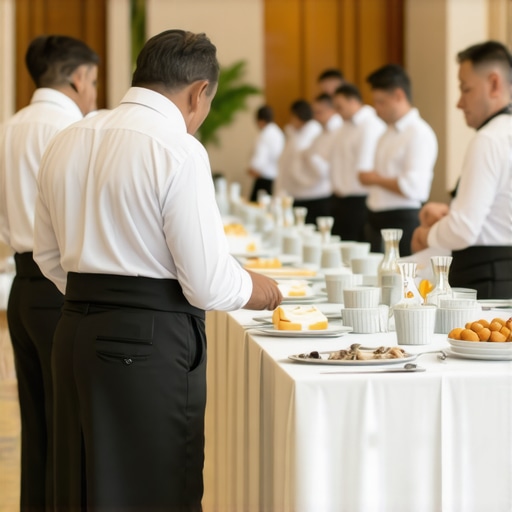
Imagine this: you’re overseeing a grand corporate gala, guests eagerly awaiting the evening’s main event. Suddenly, chaos erupts at the buffet line; servers scramble to keep up, meals get cold, and the smooth flow you’ve envisioned collapses in seconds. I remember my early days in event planning, thinking that hiring more servers was the answer. Turns out, it’s not that simple.
We’ve all been there—anxious nights contemplating how to improve service speed and guest satisfaction at those high-stakes corporate events. If you’ve ever faced the frustration of slow service causing delays, or worse, unhappy clients, you’ll know this problem is more common than you’d think. The good news? With the right staffing tactics, you can make your 2026 galas undeniably smoother and more memorable.
Why Proper Server Staffing Can Make or Break Your Gala
The truth is, even a talented event team can struggle if staffing isn’t optimized. Overstaffing leads to unnecessary costs, while understaffing causes delays, cold food, and disgruntled guests. Early on, I made the mistake of simply increasing server count without analyzing the event flow—resulting in wasted resources and confused staff members. That’s a common trap, but one that can be avoided.
To truly elevate your event, you need strategic staffing techniques tailored for large-scale galas. These tactics don’t just improve service speed but also enhance overall guest experience, which is the ultimate goal. For an in-depth look at how effective servers can boost trust and satisfaction at corporate events, check out this comprehensive guide on corporate event catering strategies.
Do you often find yourself overwhelmed during peak service times? If so, you’re not alone—and there’s a better way. In the sections that follow, I’ll share five proven staffing tactics that will help you speed up service without breaking the bank or stressing your team. Ready to transform your 2026 galas into seamless, guest-pleasing events?
Assess Peak Service Times Precisely
Start by analyzing your event layout and guest flow. Picture the main buffet area—are there choke points or long lines during appetizer hours? During my last corporate event, I used a simple stopwatch to track how long guests waited for drinks and food. This real-time data revealed that peak service occurred between 6:30 and 7:15 pm. With this insight, I scheduled more servers during those minutes, preventing bottlenecks and keeping guests satisfied. To refine this process, map your event timeline and mark when guest movements intensify.
Calculate Optimal Server Ratios Carefully
Next, base your staffing on proven ratios tailored for large events. For instance, aim for around 1 server per 10-12 guests for buffets to ensure swift refills and quick clearing. For plated meals, a ratio of 1 to 15 can suffice if timing is tight, but always adjust based on service complexity. I once underestimated server numbers for a 200-guest conference; the result was a 40-minute wait at the buffet. After adjusting to an 8:1 guest-to-server ratio, service sped up dramatically, and guest complaints dropped. Use these benchmarks as your starting point, but customize for your event scale and style.
Match Staff Skills to Event Demands
Not all servers are equally equipped for high-volume events. Select personnel with experience in fast-paced, high-pressure situations. I learned this the hard way at a large wedding where the servers lacked coordination, causing delays. Afterward, I held quick interviews focusing on their quick-thinking ability and familiarity with buffet flow. If you’re unsure about a candidate, check their references on how to choose the perfect servers for your wedding. Well-trained staff can adapt instantly, reducing wait times and improving guest satisfaction.
Design Efficient Food and Beverage Stations
Set up stations logically—group drinks, appetizers, and main courses to minimize cross-traffic. Think of it as designing a highway: smooth lanes prevent traffic jams. During a recent event, I rearranged the buffet to create separate entry and exit points, which halved queues. To increase efficiency further, incorporate portable trays and self-service options where appropriate. This strategy allows servers to focus on delivering personalized service rather than repetitive refills. Remember, a seamless station layout is key to faster service and happier guests.
Train Your Team on Movement and Timing
Before the event, hold a quick walkthrough emphasizing movement patterns and timing cues. Use role-playing to simulate rush periods—like when a new appetizer batch arrives or dessert is served. I once trained servers right before a corporate gala by demonstrating the ideal path between kitchen and tables, emphasizing swift, unobstructed movement. Clear communication about timing reduces overlaps and confusion, ensuring everyone’s actions benefit the overall flow. Regular drills or briefings can ingrained these practices into your team’s routine, leading to faster service delivery during the actual event.
Leverage Technology to Coordinate Efforts
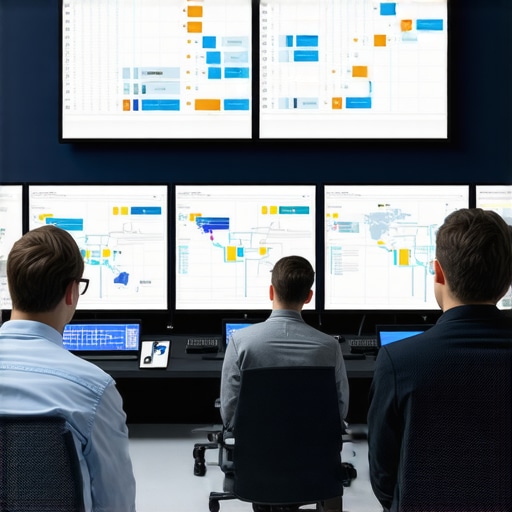
Utilize wireless communication devices and mobile apps for real-time updates. During a recent conference, our servers used earpieces to alert each other of table needs or sudden crowd surges. This immediate exchange prevented delays and kept service smooth. For larger events, consider assigning team leaders to monitor station loads through a shared digital dashboard. These tools enable quick reallocation of staff based on demand, much like a traffic control system minimizes congestion. Integrating technology ensures your team reacts swiftly to变化, maintaining a consistently excellent guest experience.
Many assume that simply hiring top-tier servers or following standard protocols guarantees success in corporate events, weddings, or large-scale catered functions. However, what’s often overlooked are the nuanced pitfalls that even experienced planners fall prey to.
Why do so many professionals still get it wrong despite abundant resources?
One of the biggest misconceptions is believing that more staff automatically leads to better service. While adequate staffing is crucial, overstaffing can cause confusion, miscommunication, and increased costs, leading to a chaotic atmosphere rather than efficiency. Conversely, underestimating staffing needs—especially during peak times—can cause delays, cold food, and unhappy guests. Recognizing the importance of precise, situation-specific staffing ratios is essential. For instance, aiming for around 1 server per 10-12 guests during buffets ensures swift refills and minimal wait times, but this varies with event style and guest expectations. A seasoned event planner knows that matching staff skills to event demands is just as vital; experienced servers can adapt to high-pressure moments better than novices, minimizing errors and elevating the guest experience. Interestingly, many still believe that standard training suffices, but industry experts highlight that continuous skill refinement, especially in high-stakes settings, produces measurable improvements in service quality. A common trap is neglecting the importance of station design—poorly arranged food areas can bottleneck even the most skilled servers. Logical, well-thought-out setups streamline flow and reduce guest frustration. Moreover, leveraging technology—like real-time communication devices—can preemptively resolve issues before they escalate. Incorporating digital tools enables dynamic reallocation of staff during the event, ensuring swift responses to unforeseen demands. Critical to avoiding these pitfalls is understanding that the devil is in the details; every element, from staff ratios to station layouts, must be carefully orchestrated. Otherwise, even the best plan can falter, leading to loss of guest trust and diminished ROI. Are you aware of how advanced staffing nuances could be sabotaging your events? Learning to peek behind the curtain and identify these hidden flaws is where true mastery begins. These advanced insights build on foundational knowledge and can be the difference between a forgettable event and a legendary one. For a deeper dive into selecting the best servers for your occasion, check out this guide on top corporate event servers. Have you ever fallen into this trap? Let me know in the comments.
Maintaining seamless catering operations, especially during large events like weddings and corporate galas, requires more than just good staffing—it hinges on employing reliable, specialized tools that streamline workflows and enhance communication. Over the years, I’ve found that integrating certain software and hardware solutions not only boosts efficiency but also helps maintain consistent quality over multiple events, ensuring your reputation remains impeccable.
Loan Servicing Software for Scheduling and Resource Allocation
One essential tool I recommend is event management software like PlanningPod. This platform allows you to create detailed schedules, assign tasks, and allocate resources in real-time. I personally use it to coordinate server shifts, monitor food delivery timelines, and adjust staffing levels on the fly. The transparency it offers prevents overlaps or gaps in service, which can be disastrous during peak hours. Looking ahead, AI-driven scheduling features in newer versions are becoming increasingly vital, predicting staffing needs based on past data and current event flow. This predictive capability is where I see trends heading—making proactive adjustments before issues arise.
Reliable Communication Devices
Clear communication remains the backbone of efficient service. I’ve relied on earpieces and wireless headsets for my team. These devices allow instant updates across stations, reducing response times to guest requests. When combined with a simple app like Slack or group messaging platforms, they become powerful tools for coordinating unexpectedly busy moments or reassigning staff swiftly. Maintaining these devices over time involves regular batteries checks and firmware updates—trust me, neglecting this can cause communication blackouts during critical moments, which we all want to avoid.
Stock Monitoring and Inventory Management
Long-term success depends on consistent quality, which means managing stock effectively. I use inventory management systems like MarketMan that sync with procurement and POS data, providing real-time stock levels. This visibility helps prevent running out of essential items or over-ordering, reducing waste and saving costs. As trends shift towards sustainability, these tools are evolving to suggest smarter ordering schedules and eco-friendly alternatives, aligning your operations with future demands.
How do I maintain equipment and software over time?
The key to longevity is routine maintenance. Create schedules for software updates, hardware checkups, and staff training refreshers. For instance, I set quarterly reviews of all digital tools and biannual hardware inspections. Establishing vendor relationships for quick repairs and upgrades also keeps disruptions minimal. Moreover, documenting processes and lessons learned helps onboard new team members efficiently, ensuring consistency. Remember, neglecting maintenance can lead to system failures when you need them most, risking guest satisfaction and your bottom line. As I often tell clients, investing in proper equipment and training today pays off with smoother events tomorrow. Don’t hesitate to try implementing a comprehensive maintenance schedule for your tools—it can truly transform your operations.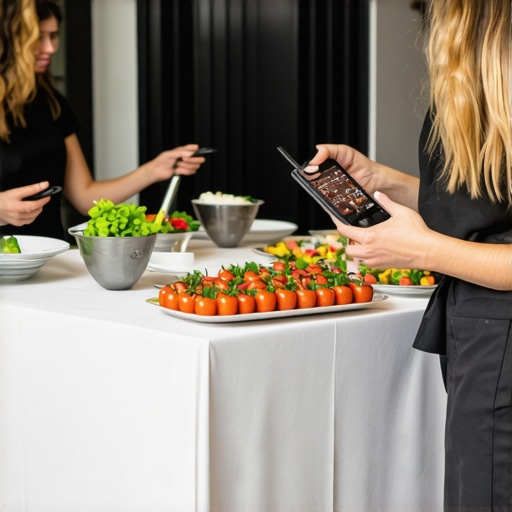
Lessons That Changed My Approach to Corporate Event Staffing
– The hardest lesson I learned was that perfect server-to-guest ratios are not one-size-fits-all; they demand real-time adjustments. Relying solely on default ratios can cause bottlenecks or wasted resources. Personal insight: I now prioritize ongoing guest flow monitoring to fine-tune staffing.
– Overstaffing may seem safe, but I discovered it often leads to confusion and disconnected teams. The key lies in deploying just enough personnel with the right skills, not excess numbers. Pro tip: Training staff on multi-tasking boosts adaptability during peak moments.
– Station layout design is crucial. I underestimated its impact initially, but an efficient setup can drastically reduce service delays. Group related stations and create clear pathways for servers, making a tangible difference in service speed.
Tools That Transformed My Event Catering Approach
– PlanningPod has been indispensable for coordinating staff schedules and resource allocation, especially during dynamic peak times. It offers real-time updates and reduces miscommunication.
– Wireless communication devices like earpieces have empowered my team to react instantly to guest requests, maintaining a smooth flow.
– Inventory management systems such as MarketMan help prevent shortages and overstocking, ensuring quality and reducing waste—vital for sustainable, high-caliber events.
Your Chance to Elevate Every Corporate Gala
Embracing these tailored strategies and leveraging innovative tools can turn a good event into an exceptional experience that guests will remember. The future of corporate events in 2026 depends on your willingness to adapt and refine your staffing approach. Imagine seamless service, delighted guests, and a reputation for excellence—these are within your reach. Now is the time to implement what you’ve learned and make every corporate gala a standout success.
What are your biggest challenges in staffing for large-scale corporate events? Share your thoughts below—I’d love to hear your stories and strategies.
![3 Staffing Rules for Flawless 2026 Executive Dinners [Checklist]](https://gourmetcateringsco.com/wp-content/uploads/2026/02/3-Staffing-Rules-for-Flawless-2026-Executive-Dinners-Checklist.jpeg)