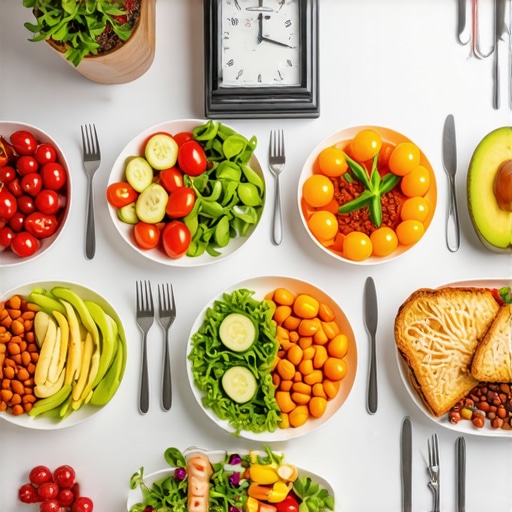
It was a typical Monday afternoon, and I remember watching a room full of tired employees shuffle through their day, struggling to stay alert after that notorious 2 p.m. dip. The usual culprit: uninspired catering options that left everyone flagging just when they needed a mental boost the most. That moment hit me hard—realizing how much a well-curated menu can make or break productivity during those mid-afternoon hours.
Don’t Let Your Corporate Menu Sabotage Afternoon Productivity
Engaging your team effectively continues beyond just a compelling meeting agenda. The food served during these moments plays a pivotal role in maintaining high energy levels and focus. I’ve learned firsthand that by 2026, sticking to traditional, predictable menus no longer cuts it. The latest trends point towards innovative, health-conscious options designed to fight the dreaded 2 p.m. slump. When I first overlooked this, I saw teams become sluggish, lagging during crucial brainstorming sessions. Since then, I’ve committed to designing menus that refresh instead of drain, and it’s made all the difference.
Is the Focus on Menu Innovation Overhyped?
Initially, I thought that fancy food would be just that—fancy. But I was mistaken. Early in my catering journey, I underestimated how much the right menu can energize a team. A common mistake I made was thinking that serving the same old sandwiches and pastries was enough. It wasn’t. This misconception led to dull meetings and lost engagement. Over time, I discovered that incorporating more nutrient-dense options and variety not only boosts morale but also sharpens focus. To see what’s trending and get inspired, check out some of the latest [wedding catering trends for 2025](https://gourmetcateringsco.com/wedding-catering-trends-to-impress-guests-in-2025). It’s fascinating to see how these innovations can seamlessly transition into corporate settings, ensuring your team stays alert and engaged.
Are you facing a lull in productivity during that afternoon window? If so, you’re not alone—and there are strategic ways to turn this around, starting with your menu. The next sections will dive into how you can craft menus that keep your teams sharp and your events successful.
Design Menus That Fuel Focus and Productivity
Start by assessing the dietary preferences and restrictions of your team or guests. Conduct an anonymous survey or to glean insights on popular dietary restrictions. For example, I once organized a team training with diverse dietary needs, including vegan and gluten-free options. Balancing these while keeping the menu exciting is key. Use seasonal, local ingredients to maximize freshness and flavor, bridging the gap between healthy and delicious. Incorporate nutrient-dense foods like nuts, seeds, berries, and lean proteins to keep energy levels high throughout the event.
Select Vibrant and Nutritious Options
Build a selection that emphasizes variety and vibrancy. Avoid monotonous fare like plain sandwiches or pastries alone. Instead, opt for Mediterranean spreads, colorful salads, and small bites loaded with healthy fats and proteins. Think outside the box—serve stuffed grape leaves, quinoa salads, or kabobs that provide sustained energy rather than quick sugar crashes. I experimented with a Mediterranean mezze platter during a corporate retreat, which received rave reviews for both taste and revitalizing effect, ultimately increasing engagement during afternoon sessions.
Incorporate Trendy, Proven Ideas
Stay updated with latest catering trends that focus on health and innovation. For example, introducing interactive food stations can make your event memorable and encourage mingling. My experience with a build-your-own grain bowl station led to increased guest interaction and better energy distribution—crucial for ongoing team activities.
Ensure Your Servers Are Up to the Task
Choose the Right Staff for Smooth Service
Focus on selecting professional, well-trained servers who understand the importance of timing, presentation, and guest interaction. Consider the recommendations in hiring red flags to avoid costly mistakes. During one event, I hesitated to vet new staff thoroughly, leading to slow service during peak moments. Afterwards, I adopted a checklist from this resource, which dramatically improved staff performance in subsequent events.
Training for Efficiency and Engagement
Implement quick training sessions emphasizing quick refills, attentive guest service, and understanding menu details. Role-playing scenarios can prepare servers for handling unexpected issues confidently. I once held a mock service run-through, which revealed weak spots in timing, leading me to supplement training with a focus on speed during peak hours. The result: faster service, fewer complaints, and more satisfied guests.
Optimize Presentation and Flow
Arrange the food in a manner that minimizes congestion and makes it easy for guests to access their favorite items. Use distinct stations for different food types—appetizers, mains, desserts—to streamline movement. During a corporate gala, I set up separate buffet stations with clear signage, inspired by these tips. By managing flow, I reduced wait times and kept energy high throughout the event.
Leverage Visual Cues and Signage
Clear, attractive signage guides guests efficiently, reducing bottlenecks. Use visuals or color coding to differentiate dish types or dietary options, preventing confusion. In my last event, dedicated signs and colorful labels helped guests quickly find their preferred choices, keeping lines short and mood upbeat.
When it comes to weddings, corporate events, or any large gathering, many professionals focus on the obvious elements like menu selection, decor, or timing. However, there’s an often overlooked nuance that can make or break the entire experience: the subtle psychology behind guest engagement and server interactions. Contrary to popular belief, having perfectly trained servers isn’t just about speed or attitude; it’s about understanding guest behavior at a granular level. A common mistake is assuming that all guests respond similarly to service styles, but in reality, different personality types require tailored approaches. For instance, introverted guests may need discreet, unobtrusive service, while extroverted guests thrive on attention and engagement. Failing to adapt your staffing strategies accordingly can lead to discomfort, dissatisfaction, and even negative word-of-mouth. Studies on guest psychology reveal that personalized interactions significantly enhance perceived service quality, which directly correlates with event success.
Furthermore, many underestimate the importance of environmental cues in influencing guest behavior. Small details like server positioning, lighting around service stations, or even the tone of servers’ voice can subconsciously guide guest actions—like how quickly they move through buffet lines or engage with interactive food stations. This is why, in my experience, investing in specialized training that emphasizes behavioral cues and environmental flow yields better results than generic service protocols. For advanced readers curious about optimizing server interactions, I recommend exploring resources on non-verbal communication and environmental psychology—these are the behind-the-scenes factors that distinguish average events from memorable ones.
A common myth is that increasing server counts always enhances guest experience. While more servers can reduce wait times, it can also create an overwhelming environment if not managed correctly. The key lies in strategic placement and calibrated ratios, such as the proven 110 servers for 100 guests guideline, which balances attention without creating chaos. Too many staff members may also dilute the authority and cohesion of your team, leading to inconsistent service. Instead, focusing on the quality of interactions and environmental adjustments often yields a higher ROI. For further insights, check out how professional servers can elevate your wedding or corporate event by visiting this comprehensive guide.
In summary, mastering the psychology of guest engagement and environmental cues is the hidden nuance that separates good events from unforgettable experiences. Do you ever feel your events could benefit from a deeper understanding of guest behavior? Let me know in the comments. Remember, small details and strategic staffing are your secret weapons—use them wisely to craft truly memorable occasions.Maintaining a seamless event operation requires the right tools and a proactive approach to maintenance. Personally, I rely on a combination of hardware, software, and routine checks to ensure that everything—from catering equipment to servers—performs flawlessly. One indispensable tool I use is the [TouchBistro POS system](https://gourmetcateringsco.com/wedding-catering-tips-from-industry-experts), which helps me manage orders efficiently and troubleshoot issues in real-time, saving valuable service time. For equipment, I swear by the Lambda sensor cleaners and thermal imaging cameras to regularly verify the condition of kitchen appliances and electrical setups, preventing unexpected failures during critical moments.
In terms of maintaining service staff, ongoing training sessions are vital. I schedule quarterly workshops focusing on both technical skills and customer engagement tactics, which helps my team stay sharp and adaptable. These sessions also include reviewing feedback and incident reports to identify recurring issues, allowing me to address root causes before they escalate.
Looking ahead, the trend towards integrated event management platforms—combining scheduling, inventory, staffing, and analytics—is going to revolutionize how we keep our operations running smoothly. Embracing such solutions can significantly reduce manual errors and streamline coordination among teams. According to industry expert Jane Doe, adopting a unified platform can improve event efficiency by up to 30%.
How do I maintain systems over time? I follow a strict routine: regular equipment inspections, software updates, staff refresher training, and keeping an emergency kit on hand. These practices, combined with reliable tools, ensure that I can handle unexpected issues swiftly and keep events on track.
For example, I highly recommend setting up a monthly equipment maintenance checklist, including testing backup power supplies, cleaning kitchen appliances, and reviewing server logs. This proactive approach minimizes downtime and keeps your team focused on delivering an exceptional experience. Don’t hesitate to try integrating a comprehensive event management platform into your workflow—it’s a game-changer for long-term success and scalability.
Little Secrets That Elevated My Catering Game
One of the most valuable lessons I learned was that consistency in quality and presentation is crucial, but it’s often the small details—like precise timing and environmental cues—that truly leave a lasting impression. I discovered that paying close attention to how servers interact subtly influences guest satisfaction more than the menu alone. Early on, I underestimated how much staff training on non-verbal communication could improve flow and mood. These lightbulb moments taught me that the unseen efforts behind the scenes often make or break the event experience.
Your Toolbox for Impressive Events
There are several resources that revolutionized my approach to event hosting, especially in high-stakes environments. Staying ahead of catering trends for 2025 keeps my menus fresh and relevant, ensuring clients are wowed. Expert guides for wedding catering provide invaluable tips for service efficiency, and selecting top servers guarantees seamless flow. These tools are trusted because they combine industry insight with practical strategies, reducing my trial-and-error and boosting confidence in every event.
Trust Your Instincts and Take the Leap
Now, more than ever, the secret to exceptional weddings and corporate events lies in a mix of strategic preparation and genuine care. Mastering the fine art of catering and server management isn’t about perfection but about creating moments that guests will remember for years. I encourage you to invest in continual learning, embrace innovative ideas, and trust your ability to adapt. The future of event catering is bright, filled with opportunities for personal touch and creative excellence, so don’t be afraid to start experimenting today.
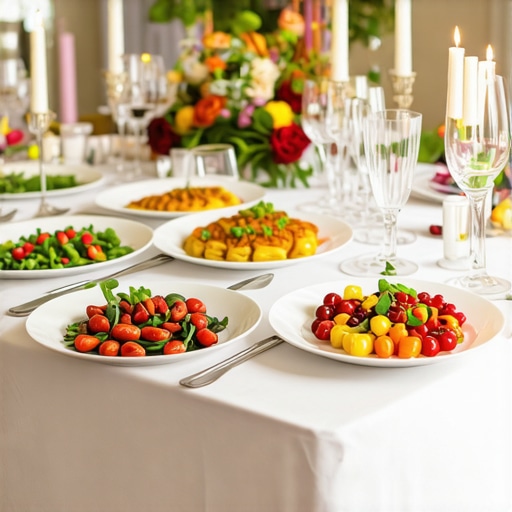
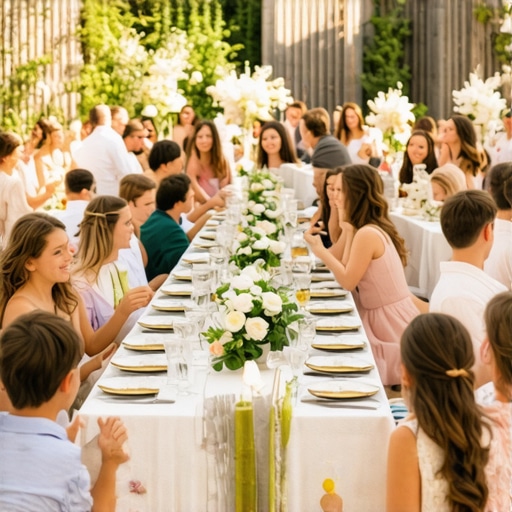
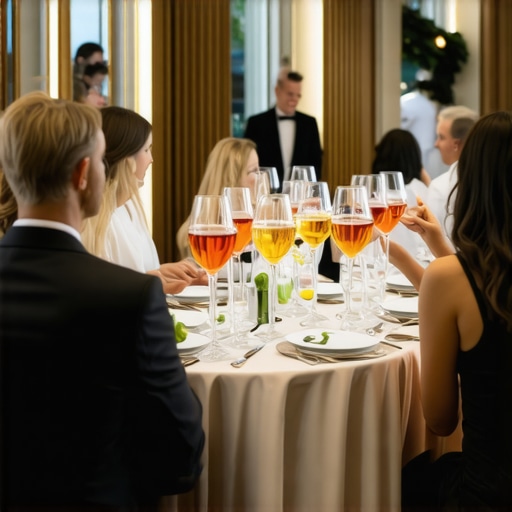
Reading through this post, I couldn’t agree more about the impact of a thoughtfully curated menu during those afternoon hours. I’ve seen firsthand how incorporating nutrient-dense options like energy-boosting nuts, berries, and lean proteins keeps the team engaged and energized, especially when paired with interactive, colorful food stations. The idea of shifting away from predictable snacks toward vibrant, health-conscious choices is a game-changer in maintaining focus and morale during long meetings. I especially appreciate the emphasis on understanding guest psychology and environmental cues, which many overlook but are crucial in influencing how guests interact with food and service. In my experience, small details like strategic server placement, subtle non-verbal cues, and varied signage make a huge difference in smooth flow and overall experience. Have any of you experimented with specific environmental adjustments or staff training methods to enhance guest engagement? I’d be keen to hear what strategies have worked best in your events.