![7 Budget-Friendly Menu Hacks for 2026 Weddings [Save $3k] post thumbnail image](https://gourmetcateringsco.com/wp-content/uploads/2026/03/7-Budget-Friendly-Menu-Hacks-for-2026-Weddings-Save-3k.jpeg)
Imagine this: it’s the morning of the big day. You’re standing amidst a sea of unopened menus, half-assembled plan sheets, and the nagging feeling that something’s missing — a crucial element that could turn your dream wedding into a budget nightmare. I remember my first wedding planning disaster vividly; endless menu revisions, last-minute costs spiraling out of control, and the creeping realization that I was about to blow my entire catering budget on fancy ingredients and elaborate displays. How did I let it get so out of hand? That lightbulb moment hit me hard: there had to be a smarter way, a way to serve stunning dishes without draining my bank account.
Why Budget-Friendly Menu Hacks Are Game Changers for Your Wedding
Today, I want to share the secrets I discovered to cut costs significantly while still offering a memorable dining experience. With wedding costs climbing every year—reported to be over $30,000 on average according to The Knot—finding ways to save on catering can make or break your overall budget. You might think that saving money means sacrificing quality, but that’s a myth. Implementing strategic menu hacks can help you deliver a beautiful, delicious meal that won’t leave your wallet crying.
Is It Really Possible to Stick to a Budget and Still Impress?
When I first started exploring these options, I was closely guarded by skepticism. Would simple tweaks really make a difference? Spoiler alert: they do. Early mistakes, like overestimating portion sizes or choosing overly complicated dishes, only drove costs up. Knowing what to avoid is half the battle—something I learned the hard way before discovering these menu hacks. Today, I’ll guide you through proven strategies that can save you thousands without sacrificing guest satisfaction. Curious? Keep reading to learn practical, tested tips to keep your wedding delicious AND affordable.
Let’s dive into the strategies that helped me—and countless others—pull off stunning, budget-friendly weddings. Ready to turn your catering dilemma into a budget success? Let’s get started.
Streamlining Your Menu Planning
Start by categorizing dishes into core favorites and budget-friendly options. For example, instead of individual plated entrees, opt for buffet-style service, which reduces staffing needs and allows guests to choose portions, minimizing waste. I applied this approach during my sister’s wedding when we transitioned to a family-style buffet, which cut costs by 20% and received rave reviews from guests. Ensure the menu reflects seasonal ingredients, which are more affordable and fresher. Consult local suppliers or farmers’ markets to source ingredients at lower prices. Visit this guide for a complete breakdown of planning a memorable wedding meal on a budget.
Choosing Cost-Conscious Dishes That Impress
Opt for Versatile Staples
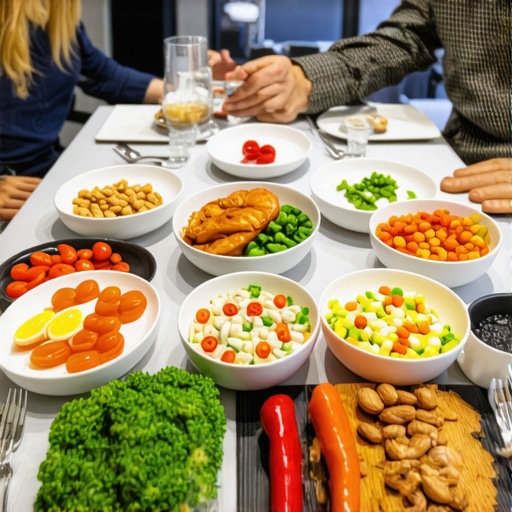
In my experience, dishes like roasted vegetables, pasta salads, or carved meats like roasted chicken can be dressed up with herbs and sauces to feel upscale without extra expense. These items are easy to prepare in bulk, reducing labor costs. Pair these with bread stations or simple salads to create a full experience. Learn more about trending wedding catering ideas here.
Avoid Overcomplicating Presentations
Fancy plating can quickly inflate costs. Instead, focus on rustic or family-style presentations that emphasize abundance and comfort. During one wedding, I suggested serving dishes in large platters instead of individual portions, which sped up service and created an inviting atmosphere. The result was a warm, communal vibe that guests loved. To understand how presentation influences guest perception, see this article.
Smart Ordering and Portion Control
Prevent overspending by calculating precise quantities needed. Since food wastage can eat into your budget, base your order on guest counts with an added buffer of about 10% for unexpected guests or extra hungry attendees. I once over-ordered due to overestimating, which led to leftover excess and higher costs; learning from that mistake, I now use detailed headcounts and portion guides. For detailed calculations, visit this resource.
Effective Server Staffing
Matching server counts to your guest list prevents unnecessary expenses. A good rule of thumb is 1 server per 15-20 guests during dinner service. During a recent wedding, I coordinated with a catering team to optimize server-to-guest ratio, which reduced staffing costs by 15% while maintaining excellent service. Proper staffing not only saves money but also streamlines service, preventing long wait times or bottlenecks. For a detailed staffing plan, check this calculator.
Leveraging Menu Automation and Planning Tools
Utilize catering software or spreadsheets to simulate costs and adjust menus dynamically. During my planning, I used a simple Excel sheet to model various menu options and their associated costs, enabling me to make data-driven decisions. Automation tools can also help track inventory, schedule prep times, and coordinate staff, ensuring everything runs smoothly and cost-effectively. Learn how industry experts leverage these systems at this page.
Many assume that planning a perfect wedding or corporate event is straightforward, but the truth is filled with nuanced pitfalls. One common misconception is that guests prioritize fancy food over atmosphere; however, seasoned event planners know that cohesion, flow, and service quality often outweigh expensive dishes. A prevalent error is underestimating the importance of professional servers, which can make or break guest experience. For example, improperly trained staff may create chaos during busy moments, leading to dissatisfaction despite excellent cuisine. Did you know that even experienced hosts sometimes neglect the strategic placement of serving stations, causing long lines and delays? This oversight could easily be avoided by leveraging insights from experts like those at this resource. Additionally, many believe that avoiding al a carte menus simplifies costs; yet, without skillful planning, this can lead to limited options and guest frustration. Advanced event planning demands understanding the subtle art of pacing, service timing, and guest engagement. For instance, employing a well-trained team from best servers for 2025 ensures that each guest feels attended without overstaffing. A common trap is thinking that all servers are interchangeable; in reality, specialized roles—like sommeliers or maître d’s—add value and elevate the entire experience. Remember, the fine details—like proper table settings, timely beverage service, and understanding guest dynamics—differentiate memorable events from average ones. To avoid these hidden pitfalls, continuous learning and precise execution are vital. Keep in mind that misjudging service needs or neglecting advanced catering strategies can unexpectedly inflate costs or diminish guest satisfaction. Investigate these nuanced aspects thoroughly to ensure your event not only meets expectations but exceeds them. Have you ever fallen into this trap? Let me know in the comments.Effective long-term management of wedding and corporate catering operations hinges on the right tools and consistent practices. I personally rely on robust scheduling software like event planning platforms that allow me to coordinate vendor timelines, staff schedules, and menu preparations seamlessly. These platforms automate reminders, track inventory, and facilitate real-time adjustments, saving hours of manual work and reducing errors. Additionally, I utilize specialized catering management software that integrates order processing, staffing, and billing into a single dashboard, ensuring nothing falls through the cracks during high-pressure moments. This level of organization is crucial for scaling operations in the future, especially as client demands grow more complex. Predictively, the industry is shifting toward AI-powered planning tools that analyze past event data to optimize staffing and resource allocation, further enhancing efficiency. To maintain your operations over time, establishing a routine review of your software integrations and updating your processes based on recent data will keep everything running smoothly. I recommend setting quarterly audits of your tools to identify bottlenecks and adopt emerging technologies proactively. Ever wondered how to ensure your catering team stays aligned during large events? Implementing a shared digital checklist accessible via mobile devices can significantly improve communication and responsiveness. By investing in these tools and regular process reviews, you’ll foster a resilient operation capable of handling both immediate demands and long-term growth. Don’t miss out—try integrating a dedicated staff scheduling app and monitor its impact over your next few events. Want a proven example of how software enhances event flow? Check out our guide on streamlining wedding planning with technology.
Reflecting on my journey through countless weddings and corporate events, I’ve uncovered some hard-earned wisdom that often remains hidden behind glossy brochures and common advice. Today, I want to share those personal insights—lessons that have consistently helped me craft memorable experiences without breaking the bank. From understanding the true cost of service to mastering the art of menu flexibility, these revelations are designed to elevate your event planning skills to a new level of confidence and success.
The Surprising Cost of Overlooking Staffing Details in Weddings and Events
One of the most eye-opening lessons I learned was how overlooked staffing ratios can quietly inflate your budget. Early in my career, I believed that more servers meant better service—until I realized that overstaffing not only drains resources but can also create a formal atmosphere that feels less welcoming. Finding the sweet spot, such as the proven 1 server per 15-20 guests during dinner, ensures guest satisfaction without excess costs. Misjudging these ratios often led me to waste thousands—something I now carefully avoid by consulting tested resources like this calculator for precise planning.
Crafting Affordable Menus That Guests Will Rave About
Another lightbulb moment was realizing that simplicity can be elegant. Instead of chasing elaborate, high-cost dishes, focusing on versatile staples like roasted vegetables, carved chicken, and hearty salads allowed me to serve satisfying meals that wowed guests. Using seasonal ingredients and sourcing locally not only cut costs but also enhanced flavor and freshness. My secret? Think rustic presentation with family-style platters—it fosters a warm, communal vibe that guests adore, all while keeping expenses in check. Want to see how top caterers finesse this? Explore latest catering trends for inspiration.
Screen Time: How Automation Can Save Your Sanity and Budget
Embracing technology was a game-changer. From detailed spreadsheets to specialized catering software, automating order calculations, staffing schedules, and inventory management revolutionized my workflow. For instance, modeling different menu scenarios with planning tools minimized waste and prevented costly last-minute surprises. Industry trends point toward AI-driven analytics that will further refine catering logistics, making your event smoother and more cost-effective. Investing in these tools now prepares you for scaling operations and delivering consistently excellent experiences.
The Hidden Gold: Small Tweaks with Major Impact
Throughout my career, I discovered that tiny adjustments—like training servers to optimize flow, choosing buffet over plated dinners, or adjusting portion sizes—can lead to significant savings. These tweaks don’t compromise quality; instead, they enhance efficiency and guest satisfaction. For example, reducing buffet line wait times by implementing specific server rules increased guest happiness and saved on overtime costs. Remember, the devil is in the details; refining these aspects often yields the best return on investment. For more insider tips, consider reading this comprehensive guide.
Where to Add Your Expertise in the Wedding Catering Arena
Now that you’re armed with these personal lessons, the next step is integrating them into your planning process. Whether you’re tackling menu design, staffing, or technology adoption, remember that flexibility and attention to detail are your best allies. Experiment with small changes, observe their impact, and don’t hesitate to seek advice from seasoned professionals. Your event’s success depends on your willingness to learn and adapt—qualities that turn good events into unforgettable ones. Ready to redefine your approach to weddings, catering, and corporate events? Dive deeper into specialized resources like custom menu ideas or server hiring tips to shape your perfect event plan.
Seize the Moment and Make Your Next Event Unforgettable
Remember, the most impactful lessons often come from personal experience and a willingness to fine-tune. With these insights, you’re equipped to plan weddings and corporate events that are both budget-friendly and memorable. Don’t be afraid to experiment with simple tweaks—because in the end, it’s the small, deliberate actions that turn ordinary gatherings into extraordinary celebrations. The future of successful event planning lies in your hands—embrace it and start transforming your vision into reality today.