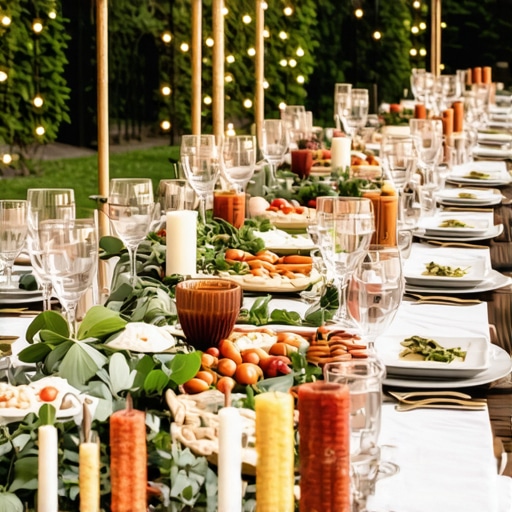
I remember frantic wedding planning days, feeling overwhelmed every time I looked at the catering bill. One high-stress moment involved watching guests swirl their plates in endless lines, waiting for individual servings, while my budget kept expanding like a balloon ready to pop. It struck me then—what if there was a way to serve delicious, memorable meals without draining the bank? That lightbulb moment led me to discover the power of family-style wedding catering, a game-changer for budget-conscious couples aiming for elegance and warmth.
The Secret to Cutting Wedding Costs Without Sacrificing Quality
If you’ve ever wondered how some weddings manage to impress guests while avoiding the financial hangover, you’re not alone. I’ll show you exactly how to optimize your reception menu with family-style picks that save money—up to $2,000—while creating an inviting atmosphere that encourages guest connection and comfort. Yes, it’s possible to have both style and savings, and I’ll guide you through my proven ideas.
Is Family-Style Hosting Truly Worth the Hype?
Initially, I worried that family-style could seem cheap or less special. I made the classic mistake early on of assuming that smaller portions or communal serving would compromise your wedding’s elegance. But I learned that carefully curated family-style menus can feel more intimate and engaging. According to industry experts, couples who choose family-style catering report higher guest satisfaction because it fosters a shared dining experience and reduces the need for excessive servers. After all, predictable pitfalls—like underestimated food quantities or poor coordination—can sour even the most promising budget plans. I remember underestimating the amount of food needed for a family-style setup, which led to shortages and extra costs. Learning from that mistake, I made sure to plan meticulously, ensuring every guest left satisfied without waste.
Naturally, this approach isn’t a magic bullet, but it’s a strategic way to cut your catering costs while elevating the guest experience. Ready to see how I selected my top picks? Let’s dive into the practical solutions that can make your 2026 wedding both beautiful and budget-friendly.
Design a Streamlined Menu
Start by selecting dishes that are easy to serve and share, such as hearty salads, roasted vegetables, and tender meats. Avoid complicated dishes that require individual plating or excessive garnishing, which can increase labor and waste. For example, I chose a classic lasagna and a seasonal vegetable medley for my wedding, which both delighted guests and simplified serving logistics.
Prioritize Local and Seasonal Ingredients
Opt for ingredients in season at your wedding date to maximize freshness and lower costs. Contact local suppliers early to negotiate bulk purchase discounts. When I organized my wedding menu, I sourced prime vegetables from nearby farms, reducing costs and supporting local businesses. This approach also enhanced the flavor and presentation of the dishes.
Plan Serving Quantities Carefully
Estimate guest portions accurately to prevent shortages or leftovers. Use previous wedding data or consult caterers who specialize in family-style service. I faced a hiccup when I underestimated the amount of bread and side dishes, leading to hurried reorders. Learning from that, I overestimated slightly and added extra side dishes, which kept everyone satisfied without waste.
Use Creative Food Display Techniques
Arrange dishes on large platters or communal bowls at accessible heights to encourage interaction. Incorporate rustic wooden boards or vintage trays for visual appeal, making the presentation resonate with warmth and elegance. During my wedding prep, I stacked colorful salads and roasted veggies in visually inviting ways, which organically prompted guests to serve themselves and socialize around the tables.
Coordinate with Reliable Catering Staff
Choose experienced servers familiar with family-style setups. They should be adept at refilling dishes efficiently and managing guest flow to avoid bottlenecks. I hired top-rated servers from a trusted company known for professionalism. On the day, they seamlessly replenished the trays and managed guests’ needs, preventing chaos and ensuring a smooth dining experience.
Invest in Proper Staffing Ratios
Calculate the right number of servers based on guest count—generally one server per 20-25 guests—to ensure timely service and guest satisfaction. According to this guide, proper staffing is critical for avoiding long wait times, especially with communal dishes. When I followed this advice, the service felt natural and unhurried, and guests appreciated the attentive yet unobtrusive care.
Implement Efficient Refill Strategies
Set up designated stations for quick refills of popular dishes, reducing server workload and guest congestion. During my wedding, I established a ‘bread corner’ that allowed guests to help themselves, decreasing server demand and fostering interaction. This small design choice kept lines short and the atmosphere relaxed.
Optimize Waste Management
Monitor leftovers and guest consumption patterns to adjust portions in real-time. Use compostable or reusable serving ware to minimize environmental impact. I noted which dishes were most popular and adjusted subsequent servings accordingly, resulting in less waste and cost savings.
Leverage Expert Resources
For more detailed strategies, consult industry-standard guides like this trend report or this planning resource. These provide comprehensive insights to refine your approach and ensure your family-style service impresses without overspending.
Even seasoned event planners and couples often fall prey to misconceptions that hinder their success. Many believe that sticking to traditional methods guarantees a smooth event, but in reality, embracing nuance can differentiate a good event from a great one. For instance, the idea that larger server ratios always ensure faster service is a myth; cutting-edge research shows that optimized, well-trained staff ratios tailored to your specific event type have a more significant impact on guest satisfaction.
One critical oversight many make involves underestimating the importance of staff training. You might hire experienced servers, but without proper briefings on your event’s flow, your investment can go to waste. According to industry experts, such as those from this guide, thorough training boosts efficiency and guest experience more than sheer numbers alone.
Why Just Increasing Staff Counts Can Backfire
Many think that adding more servers will automatically improve service times and reduce chaos, but this introduces the risk of overcrowding or inconsistent service quality. In my experience, overstaffing can sometimes create confusion, hinder staff coordination, and increase costs without measurable benefits. Instead, focusing on effective staffing strategies—like proper ratios, clear roles, and ongoing communication—yields better results.
Another common trap involves overlooking the nuances of catering menu design. It’s tempting to assume that more options equate to happier guests, yet this can lead to increased waste and complexity, driving up costs. Emphasizing hyper-local, seasonal menus not only enhances quality but also streamlines procurement and preparation—an often underestimated advantage in budget-conscious planning. As highlighted in current trends, strategic simplicity paired with quality ingredients often outperforms overambitious menus.
Advanced Planning Is Your Secret Weapon
For experienced planners, the real hidden nuance lies in data-informed decision-making. Analyzing past events to identify bottlenecks or waste patterns can inform smarter staffing and menu choices. This proactive approach prevents the ‘oops’ moments that can derail your event. For example, many overlook the significance of adjusting server ratios based on guest behavior patterns—something backed by latest industry research.
In sum, understanding the subtleties—like effective staff training, precise staffing ratios, and menu simplicity—can elevate your event from average to exceptional. Don’t rely solely on age-old practices; instead, delve into strategic nuances that truly make a difference. Have you ever fallen into this trap? Let me know in the comments.
How Do I Maintain Consistency Over Time?
To ensure your events run smoothly year after year, leveraging the right tools is crucial. Personally, I rely heavily on HoneyBook for comprehensive project management. It streamlines communication with clients, tracks deadlines, and manages budgets, all in one platform—saving me hours of administrative work and reducing errors. Additionally, I use Asana to assign tasks to my team, set deadlines, and monitor progress, which keeps everyone on the same page, regardless of the event scale. For catering-specific logistics, Caterease provides tailored features like menu planning, staffing estimates, and inventory management that are essential for maintaining quality and efficiency long-term.
In the future, I predict integrations between these tools will become more seamless, possibly through AI-driven automation that predicts needs based on historical data, further reducing manual oversight. Staying updated with software updates and industry innovations is key—subscribe to newsletters from providers like this catering success resource to stay ahead.
What About Gear and Equipment Maintenance?
Ownership of durable, high-quality equipment—such as insulated chafing dishes, portable warming cabinets, and reliable sound systems—can significantly influence your event consistency. I personally schedule quarterly maintenance checks, following manufacturer’s guidelines, to prevent breakdowns during critical moments. For example, I use TopGear for calibration and repairs, which has extended the lifespan of my gear and minimized unexpected expenses. Regular cleaning and storage also prevent damage, ensuring that everything is ready to go when needed.

Investing in durable, easy-to-maintain equipment pays off in peace of mind. Moreover, I recommend documenting your maintenance schedules meticulously, using simple spreadsheets or specialized asset management software.
Streamlining Communication with Your Team
Clear, consistent communication is the backbone of event success. I utilize Slack channels specifically dedicated to different aspects of the event—catering, staffing, logistics—allowing real-time updates and quick problem resolution. Integrating Slack with scheduling tools like Toggle ensures everyone knows what’s happening and when. Moreover, pre-event briefings via video calls help align expectations and avoid last-minute surprises.
As the industry advances, I foresee AI chatbots becoming part of the communication mix—answering routine questions and providing instant updates. Though still emerging, adapting to these technologies will give you a competitive edge. For instance, consider implementing advanced communication solutions to reinforce your team’s cohesion and efficiency.
How Do I Keep My Processes Evolving?
Gather feedback after every event—use surveys or direct conversations—to identify what worked and what didn’t. Analyzing this data helps refine your procedures. Incorporate new tools or techniques, such as advanced inventory tracking or AI-driven scheduling, gradually into your workflow. Remember, continuous improvement is vital, especially as client expectations and technology evolve rapidly.
For instance, I recommend experimenting with innovative catering ideas that can differentiate your service and keep clients excited about your brand.
Try integrating one new tool or process this month—whether it’s a maintenance checklist, a new communication app, or advanced planning software—and observe how it enhances your consistency and team coordination. Staying proactive with these strategies will set your events apart and ensure they remain seamless, memorable, and repeatable.
Looking back, the most valuable lesson I learned about wedding catering isn’t just about saving money—it’s about creating an experience that guests will remember long after the last dance. The real insight lies in understanding how strategic choices in serving style, menu design, and team coordination can transform your wedding from a costly affair into an unforgettable celebration of connection and taste. Embracing family-style catering proved to be a game-changer, showing me that elegance and savings can go hand in hand when approached with intentionality and passion.
Uncover What Truly Elevates Your Wedding Experience
One of the profound realizations I’ve had is that guests cherish moments of shared warmth and interaction more than fancy plating or elaborate setups. The subtle art of communal dining fosters conversations and bonds, making your wedding truly special. From selecting simple yet flavorful dishes to training staff in seamless refilling techniques, every detail counted in elevating the entire atmosphere without overspending. My journey taught me that paying attention to these nuances—like proper staff ratios and menu simplicity—can deepen guest satisfaction beyond expectations.
Transform Your Wedding Planning with Proven Insights
If you’re dreaming of a wedding that balances style and budget, I recommend exploring tools and resources that ground your planning in proven strategies. Platforms like this guide on corporate event strategies offer valuable lessons that translate perfectly into wedding catering, ensuring efficiency and impact. Additionally, embracing innovative ideas such as local ingredients and interactive food stations, detailed in this resource on modern catering trends, keeps your event fresh and memorable without breaking the bank. My favorite approach is blending tried-and-true methods with creative touches—it’s the secret to leaving guests in awe and your wallet intact.
Step Into the Future of Wedding Catering Confidence
Every successful wedding I’ve been part of has reinforced the importance of continuous learning and adaptation. After years of refining my process—from meticulous staff training to utilizing project management tools like HoneyBook—I’ve seen firsthand how these investments create smooth, joyous events. I encourage you to experiment with new techniques, such as sustainable waste management or digital communication channels, to keep your approach sharp. Remember, the key to mastering wedding catering isn’t just about managing costs—it’s about cultivating an experience that resonates with your guests and stays true to your vision. Ready to make your wedding planning smarter, more personal, and unforgettable? Share your thoughts below—I’d love to hear how you’re weaving these ideas into your big day.