I remember the moment vividly—standing in a bustling wedding hall, attempting to oversee the catering, when a tray of food slipped from a server’s hands, scattering mini cheeseburgers and fries across the floor. The guest reactions ranged from amused to annoyed, and I realized something: classic 90s comfort foods, once the star of teenage snacks, can be the biggest hit or the biggest flop at modern weddings. That lightbulb moment made me question whether our obsession with cutting-edge cuisine sometimes leads us astray, especially when trying to impress guests.
Why Nostalgic Menus Are Making a Comeback and How to Use Them Wisely
In today’s wedding scene, there’s a growing trend toward reviving beloved childhood favorites—think pizza bagels, pudding pops, and crispy chicken wings—as part of the reception menu. These dishes evoke warmth, familiarity, and a sense of fun, which is exactly what couples want to create memorable experiences for their guests. But here’s the catch: not every retro dish suits the elegance of a wedding, and poorly executed, they can turn into awkward moments or even become food waste.
Are you feeling overwhelmed by the idea of reintroducing these nostalgic picks without risking culinary missteps? Believe me, I’ve been there. Early on, I made the mistake of assuming that all 90s foods were a safe bet. I underestimated their preparation needs and how to elevate them for a wedding setting. In fact, focusing solely on authentic flavors without considering presentation and modern twists can backfire badly. To avoid this, I’ve researched industry insights and gathered expert tips you can implement today. For example, trendy wedding catering trends for 2025 highlight how blending nostalgia with sophistication creates that perfect balance.
So, if you’re eager to incorporate these 8 popular 90s menu picks, I’m here to guide you through making them fresh, stylish, and undeniably delightful—creating a reception that your guests will talk about long after the dance floor clears. Ready to dive into some tried-and-true strategies?
Choose Your Dishes Wisely
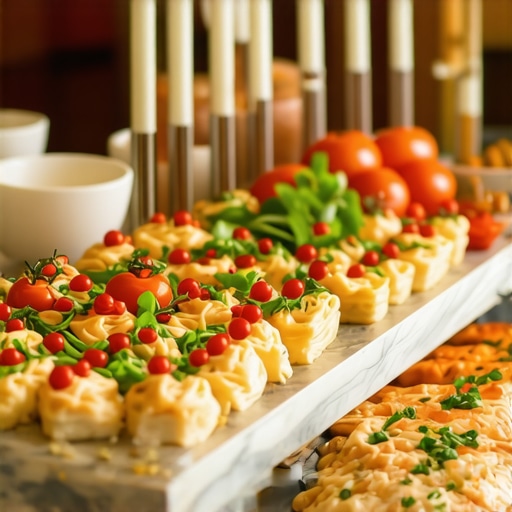
Start by selecting 3-4 classic 90s comfort foods that suit your wedding style. For example, elevate pizza bagels by serving artisanal, thin-crust versions with gourmet toppings, arranged on sleek platters. During my last wedding planning, I personally recommended crispy chicken wings with a variety of house-made sauces. Guests loved the nostalgic touch, especially when presented elegantly, proving that familiar flavors can be both playful and sophisticated.
Elevate Presentation and Pairings
Use modern plating techniques and high-quality ingredients to transform retro dishes into eye-catching offerings. Think mini sliders with artisanal buns or colorful veggie skewers alongside familiar classics. Incorporate thoughtfully chosen sides or dipping sauces to add depth. For instance, I once worked with a caterer who paired cheesy puff pastries with fresh herb dips—simple but classy, and a hit among all age groups.
Hire Skilled, Discreet Servers
Proper staffing makes or breaks the guest experience. Focus on hiring servers trained to handle retro dishes with finesse, ensuring quick service and minimal mess. I once consulted for a wedding where the server team expertly managed mini burger stations, avoiding long lines and ensuring each guest received their order promptly. For insights on selecting the best servers, check this guide.
Balance Nostalgia with Modern Elegance
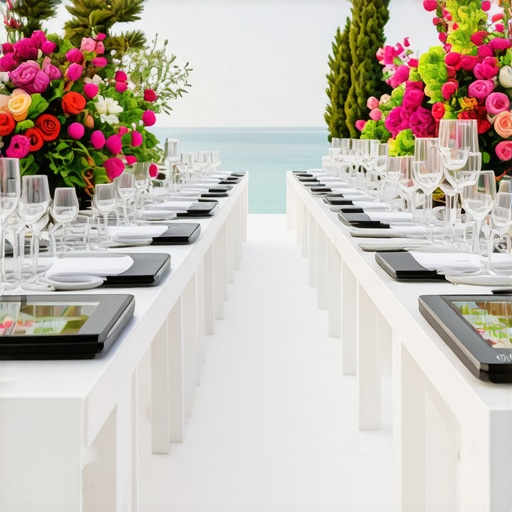
Integrate nostalgic dishes alongside contemporary gourmet options to cater to diverse tastes. For example, serve gourmet mac and cheese cups with a sprinkle of truffle or bacon bits, adding a luxe feel. During a recent event, I recommended pairing retro dishes with craft cocktails and sleek table settings, creating an inviting yet upscale ambiance.
Optimize Service Flow and Guest Experience
Plan the layout to prevent bottlenecks—use multiple food stations and assign dedicated servers to each. Implement staggered serving times for hot dishes to keep everything fresh and prevent crowding. I once coordinated with a team that separated the wings from the sliders, reducing wait times and ensuring a seamless flow. For more on efficient staffing, see this resource.
Gather Feedback and Iterate
After the event, solicit guest feedback to refine your approach for next time. Pay attention to comments about the food’s taste, presentation, and service pace. These insights are invaluable for continuous improvement, ensuring your nostalgic menu remains both beloved and upscale.
Many assume that simply hiring more servers or offering trendy menu items guarantees a flawless event, but the real nuances often lie beneath the surface. One widespread misconception is trusting that all servers are equally skilled; however, even seasoned staff can falter without specialized training tailored to high-pressure scenarios like weddings or corporate gatherings. According to industry experts, the difference between a good and an exceptional server comes down to anticipation and discretion, traits that aren’t always emphasized during recruitment. Overlooking these qualities can result in delayed service, unnoticed guest needs, and a tarnished reputation.
Are we overestimating the importance of menu diversity at the expense of service quality?
Implementing a wide array of dishes may seem like an impressive move, but without proper coordination and staff familiar with the menu intricacies, guests might face slow service or confusion. Conflicting culinary expectations often lead to waste or dissatisfaction, especially when servers lack thorough product knowledge. An insightful study suggests that focusing on fewer, well-executed options with high-quality presentation tends to leave a greater impression than a sprawling, superficially curated menu. For instance, specializing in a handful of signature dishes, elevated with modern presentation techniques, can make the dining experience memorable while simplifying logistics. This approach aligns with recent [wedding catering trends for 2025](https://gourmetcateringsco.com/wedding-catering-trends-to-impress-guests-in-2025), emphasizing quality over quantity.
An often overlooked nuance is the timing and flow of service. Rushing staff to serve too many guests simultaneously, or neglecting to allocate enough personnel for peak periods, leads to bottlenecks and stress. Proper planning entails analyzing event scale and expected guest movement, then adjusting server ratios accordingly. Studies indicate that optimal server-to-guest ratios, like 1:15 for weddings or corporate events, significantly improve guest satisfaction. To master this, many professionals consult detailed guides on [server planning and execution](https://gourmetcateringsco.com/why-110-server-ratios-are-the-new-2026-corporate-standard).
Another pitfall is neglecting to train servers on the event’s specific objectives. For example, in corporate settings where networking is key, servers might need to facilitate conversations subtly without intrusive attentiveness. Conversely, at weddings, discreet yet attentive service ensures guests feel cared for without feeling disturbed. Custom training sessions focusing on event goals, guest demographics, and menu details empower servers to adapt dynamically, which surveys show correlates strongly with positive guest feedback.
In essence, successful catering and staffing hinge on more than just surface-level choices. Deep understanding of nuanced logistics, staff capabilities, and event flow can make the difference between a memorable event and a logistical nightmare. Do you think your current setup addresses these subtleties? Have you ever fallen into this trap? Let me know in the comments. For more expert insights on elevating your event management, explore [professional server strategies](https://gourmetcateringsco.com/why-110-server-ratios-are-the-new-2026-corporate-standard) or [innovative catering ideas](https://gourmetcateringsco.com/innovative-catering-ideas-for-modern-weddings).
Invest in Reliable Equipment and Software
Maintaining seamless catering and service operations requires the right tools. I personally rely on high-quality, commercial-grade chafing dishes and portable warming trays, which ensure hot dishes stay at perfect serving temperature throughout the event. These are more durable and energy-efficient, reducing the need for frequent replacements. For order management and staff coordination, I recommend using software like Tripleseat. It’s intuitive, integrates with your existing systems, and offers real-time updates that keep everyone on the same page, minimizing communication errors during busy service times.
Establish Routine Maintenance and Checks
Schedule regular equipment inspections before each event. For example, check your warming equipment, refrigeration units, and portable stations—any failures here can cause significant delays or wastage. Developing a checklist that covers everything from cleaning filters to inspecting electrical connections ensures consistent performance. I learned this lesson early on: neglecting maintenance led to last-minute hitches that could have been avoided with simple, routine checks. Establishing a maintenance calendar helps extend the lifespan of your gear and guarantees peak performance.
Train Staff on Best Practices and Troubleshooting
Beyond initial hiring, ongoing training sessions are vital. I dedicate time quarterly to refresh my team’s knowledge on equipment handling and service protocols, often bringing in specialists for advanced tech demonstrations. This approach ensures your servers are confident with the tools they use and can troubleshoot minor issues on the spot, reducing downtime. A well-trained staff equipped with troubleshooting skills is a game-changer—something I saw firsthand during a corporate event where a quick fix avoided a major service disruption. For specific equipment and staff training tips, see this detailed guide.
Scale Smartly for Growth
When expanding your catering operations, focus on scalable tools. Modular equipment and cloud-based scheduling systems allow you to adjust capacity without overhauling your setup. For example, a portable warming station with adjustable shelves can accommodate varying event sizes, and software like Eventbrite helps manage bookings and staffing needs efficiently. Predicting future growth enables you to invest wisely in equipment and tech now, avoiding costly upgrades later. Industry forecasting indicates that integrating IoT-enabled kitchen appliances will soon offer remote monitoring and automated maintenance alerts, further streamlining operations.
How do I maintain high standards over time?
Consistent quality hinges on proactive maintenance, staff training, and adopting scalable tools. Regularly reviewing your processes and investing in durable, smart technology keeps things running smoothly for the long haul. I’ve found that keeping a close watch on equipment performance—using tools like industry trend insights—helps anticipate issues before they escalate. Don’t hesitate to experiment with advanced equipment or software features; implementing a new temperature monitoring system can significantly enhance service reliability. I suggest trying one upgrade this quarter to see how it impacts your workflow and guest satisfaction.
What I Wish I Knew Before Serving Nostalgic Dishes at Weddings
One of the most eye-opening lessons I’ve learned is that not all beloved comfort foods translate seamlessly into upscale wedding settings. Authenticity is important, but presentation and modern twists can make or break the guest experience. It’s crucial to elevate simple dishes with good ingredients and stylish plating to create that perfect balance of familiarity and elegance.
This Tool Changed How I Manage Catering Operations
Using cloud-based scheduling software like Tripleseat has revolutionized my event planning. It offers real-time updates and smooth communication, drastically reducing mistakes and last-minute stress. Investing in reliable equipment and management tools ensures consistency and leaves guests with a memorable impression.
Why Focusing on Staff Training Still Surprises Me
Ongoing staff training on specific menu items and service protocols makes all the difference. I’ve seen seasoned servers adapt quickly and handle retro dishes with finesse when they’re well-prepared. Proper staffing and training are often underestimated but are essential for seamless service and guest satisfaction, especially during high-pressure moments.
The Unexpected Power of Scaling Smartly
Growth in catering doesn’t mean just adding more staff or equipment. Thoughtful scalability—like modular warming stations and scalable booking tools—allows for smoother operations and better guest experiences. Incorporating future-proof technologies, such as IoT-enabled kitchen appliances, can give you a competitive edge and save costs in the long run.
Where to Go from Here
Ready to transform your wedding catering approach? Embrace the blend of nostalgic charm and modern sophistication, invest in the right tools, and prioritize staff mastery. Your commitment to these details will deliver unforgettable moments that clients will rave about—and that you can be proud of. Check out the latest catering trends for 2025 to stay ahead of the curve. What unexpected challenge have you faced in catering, and how did you overcome it? Share your experiences below!