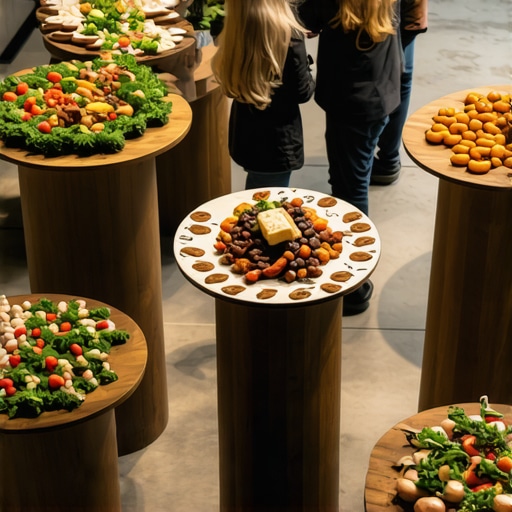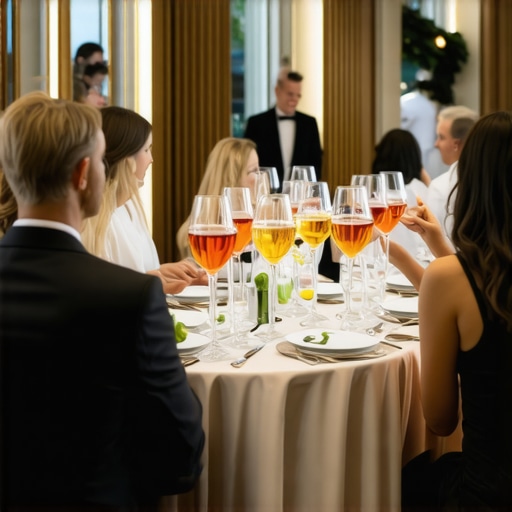
I remember walking into a recent corporate gala and witnessing something that took me by surprise. The usually lively room, filled with clinking glasses and animated conversations, felt oddly muted during the toast. Servers hurried past with sparkling mocktails, and I couldn’t help but wonder: are we really embracing zero-proof menus for sophisticated celebrations? It was a lightbulb moment for me—a realization that the way we approach high-end events is shifting fast, and not everyone is prepared for it.
The Shift Toward Zero-Proof Menus at 2026 Galas
Recently, I started digging into why so many companies and event planners are opting for zero-proof pairing menus at their prestigious galas. The answer isn’t just trendiness, though that’s part of it. It’s about creating inclusive, memorable experiences that resonate with today’s diverse attendees. Plus, data shows that alcohol consumption at events is declining, with a recent report indicating that nearly 30% of professionals prefer non-alcoholic options during business gatherings (source: Statista).
From a practical perspective, these menus can also reduce mess, prevent over-intoxication, and streamline service—all critical for large-scale, high-stakes events. But as someone who’s made a few catering missteps early on, I know the challenge: How do you craft a menu that feels elevated without alcohol? And how do you ensure your staff is equipped to serve it seamlessly?
Is Zero-Proof Really Perfect for Fancy Galas?
Now, I get it—some might think, “Are non-alcoholic options really enough for such an elegant setting?” Trust me, I’ve been down that road. I once recommended boring juice blends that left guests unimpressed, and it was a clear lesson: presentation and flavor matter even more without alcohol. Early on, I failed to understand that substituting alcohol shouldn’t mean sacrificing sophistication, which is why I emphasize the importance of innovative, gourmet non-alcoholic beverages. Check out how top-tier catering tips from industry experts can elevate your menu.
So, if you’ve faced the dilemma of how to keep your corporate galas high-class and inclusive, you’re not alone. In the sections ahead, I’ll share practical strategies to help you navigate this transition confidently, ensuring your events impress every guest—whether they drink alcohol or not. Ready to leave behind old assumptions and embrace this exciting shift? Let’s get started.
Designing an Elevated Zero-Proof Menu
Start by researching trending gourmet non-alcoholic beverages, such as artisanal mocktails and infused waters, to ensure your offerings feel sophisticated. I once collaborated with a mixologist who specialized in crafting mocktail menus; we curated a selection that impressed even the most discerning guests, resulting in rave reviews. Prioritize seasonal and local ingredients to enhance flavor and presentation, making each drink visually appealing. Remember, the key is to balance creativity with familiarity—avoid overly exotic ingredients that might alienate guests.
Choosing the Right Staff for Elegant Service
Next, hire servers experienced in high-end events, emphasizing discretion, attentiveness, and graceful presentation. I once hired a team through this guide, which helped me identify professionals who could elevate our service standard. Train your staff specifically on the nuances of serving non-alcoholic cocktails to ensure they present drinks with flair—using trays, garnishes, and precise pouring techniques. Coordinating with a dedicated team familiar with your menu reduces mistakes and elevates guest experience.
Implementing Presentation and Serving Techniques
Use elegant glassware and garnishes to give mocktails a luxe appearance, mimicking traditional alcohol-based drinks. During a recent event, I witnessed how simple touches—a sprig of rosemary or a twist of lemon—transformed a basic beverage into a toast-worthy creation. Adopt a plating style that caters to the event’s formality; pre-pour drinks into servers’ trays for quick, clutter-free service. Also, practice steady, silent movements to avoid interrupting conversations—a habit I perfected after a few clumsy attempts that initially caused spills and chaos. Practice makes perfect, and ensuring your servers master these techniques can prevent logistical hiccups.
Streamlining Service Without Compromise
Anticipate guest needs by estimating flow rates based on RSVP sizes and customizing your server-to-guest ratio accordingly—aim for at least a 1:10 ratio during peak times, similar to the standards recommended in this study. Use batch-prepared drinks where possible to cut down wait times, but always have a few made-to-order options for VIPs. During a particular corporate event, I implemented a staggered pouring schedule that kept drinks arriving fresh and hot—not a single guest waited more than five minutes for their mocktail, illustrating the importance of prep and planning. Keep communication clear among servers with walkie-talkies or headsets to coordinate movement and avoid overcrowding around drink stations.
Refining the Flow for Future Events
After each event, gather feedback from staff and guests to identify bottle-necks and improve. I once realized that inadequate staffing at the bars caused delays, prompting me to increase server count at subsequent events based on this resource. Continuously refine your approach—adjust staffing, presentation, and menu based on what worked. The goal is to create a memorable experience that feels effortless and luxurious, not rushed or chaotic. By applying these steps diligently, you’ll elevate your zero-proof offerings beyond mere alternatives, solidifying your reputation as an innovator in corporate event planning.While many believe that securing good servers or choosing trendy menu options guarantees event success, the deeper nuances often dictating flawless execution are less obvious. One major misconception is thinking that all servers are interchangeable—that a smile and quick service suffice. In reality, the most memorable events hinge on specialized skills like silent service habits or discreet guest management, which only seasoned professionals master. Skimping on server training or ignoring industry standards, such as those outlined in wedding catering tips from industry experts, can lead to overlooked details and guest dissatisfaction.
Are You Addressing the Hidden Factors That Elevate Event Experience?
Many planners fall into the trap of overemphasizing menu trends or aesthetic touches without attending to crucial staffing ratios. For instance, during high-stakes events, underestimating server-to-guest ratios hampers fluid service and causes bottlenecks, which can be avoided by applying data-backed strategies like those in this guide. Additionally, a common myth is that fancy presentation obscures the importance of menu quality. But in expert circles, the truth is that culinary excellence and innovative plating—like handcrafted amuse-bouches or edible art—are paramount and directly influence guest perception. Remember, consistent staff training and understanding advanced nuances, such as professional server techniques, set top-tier events apart. Don’t underestimate the power of meticulous planning—particularly in the often-overlooked areas of guest flow management and staffing logistics. These hidden elements are where true mastery resides. Have you ever fallen into this trap? Let me know in the comments.
Maintaining a smooth catering operation, especially for large-scale events like weddings or corporate gatherings, hinges on having the right tools at your fingertips. Over the years, I’ve refined my toolkit to include specific hardware and software that ensure efficiency, consistency, and top-notch guest experiences.
Invest in Reliable Point-of-Sale and Inventory Management
One of my core tools is Toast POS. I rely on it not just for processing orders but also for real-time inventory tracking. It helps me avoid stockouts and overordering, which can ruin an event’s flow. Additionally, integrated inventory modules alert me when supplies are running low, allowing for timely restockings without chaos. Such systems save hours of manual counting and prevent costly mistakes.
Use Scheduling and Staff Coordination Software
Coordination is key in catering, and tools like 7shifts streamline scheduling, shift swaps, and communication with staff. I’ve found that clear visibility into staff availability and task assignments drastically reduces last-minute confusion. Moreover, I set up alerts within the app to remind servers about specific duties, which fosters professionalism and reduces errors.
Leverage Kitchen Display Systems for Efficient Food Prep
For ensuring warm, fresh dishes, a Kitchen Display System (KDS) like QSR Automations has been invaluable. It digitizes kitchen orders, eliminates paper tickets, and helps chefs prioritize prep times. During a recent wedding reception, the KDS allowed us to synchronize food delivery perfectly, minimizing delays. This tech integration is the future, especially as event sizes grow.
Monitor Guest Experience with Feedback Tools
Post-event feedback is crucial. I employ tools like SurveyMonkey or Google Forms designed for quick guest surveys, which provide insights into service quality and menu satisfaction. Analyzing this data helps me identify recurring issues and refine my processes for future gigs. For large events, I also use digital comment cards to gather immediate reactions.
Predict the Future of Catering Tools
As AI and IoT technologies continue to evolve, I predict that equipment and software will become more integrated, providing real-time analytics on guest flow, food freshness, and staff performance. Embracing these innovations early will be vital to stay ahead.
How do I maintain these systems over time?
Regular training sessions are essential. I schedule quarterly reviews to update staff on any software changes or upgrades, ensuring everyone is proficient. Additionally, I stay connected with vendors and industry forums—like the detailed workflows discussed in wedding catering tips from industry experts—to learn about new tools that can enhance my operation. Finally, consistent backups and software maintenance routines prevent unexpected downtimes. I personally test updates in a controlled environment before rolling them out during live events, reducing the risk of glitches. Give one of these maintenance practices a try at your next event—keeping your tools in top shape will serve you well in the long run.
The Hardest Lesson I Learned About Catering, Servers, Corporate Events, Weddings
One of my most impactful realizations was that technical smoothness isn’t enough—guests remember how they *feel* during an event. Initial attempts at trendy menus and flashy decor often overshadowed the importance of personalized, attentive service. I learned that behind every successful catering experience is a deep understanding of guest psychology and expectations, which can only be honed through genuine listening and continuous adaptability. Real mastery came when I stopped focusing solely on menu buttons and started prioritizing staff training in silent service and intuitive guest management.
3 Myths About Catering, Servers, Corporate Events, Weddings That Held Me Back
For years, I believed that increasing staff count automatically meant smoother service, but I quickly realized it often led to overcrowding and chaos if not managed well. The second myth was that elaborate menus always impress; instead, I found that simple, seasonal, and visually stunning dishes often delighted guests more. Finally, I thought that guest satisfaction was solely about taste; however, presentation, timing, and the overall flow contribute equally. Challenging these myths became crucial stepping stones to refining my approach and delivering truly high-quality events.
What Industry Experts Won’t Tell You About Elegant Event Service
Many seasoned professionals understand that subtlety is key—small gestures like discreet replenishment and unobtrusive plate clearing create an atmosphere of effortless luxury. Yet, this skill isn’t often highlighted in training curriculums, which tend to focus on menu development. I discovered that investing in the nuanced art of silent service and server positioning radically elevates the event’s perceived sophistication. This insight is crucial for anyone aiming to craft memorable, high-class experiences where guests feel attended to without feeling scrutinized.
Where to Go from Here
Building upon these lessons, I now emphasize deep staff training that includes role-specific scenarios and shadowing seasoned servers. Integrating smart technology, like refined POS systems and feedback tools, makes continuous improvement practical. Equally, staying connected with industry-leading resources like current catering trends and server staffing solutions keeps my approach fresh and relevant. My advice? Combine technical expertise with heartfelt guest care, and never stop learning from each event—each one offers valuable insights to perfect your craft.