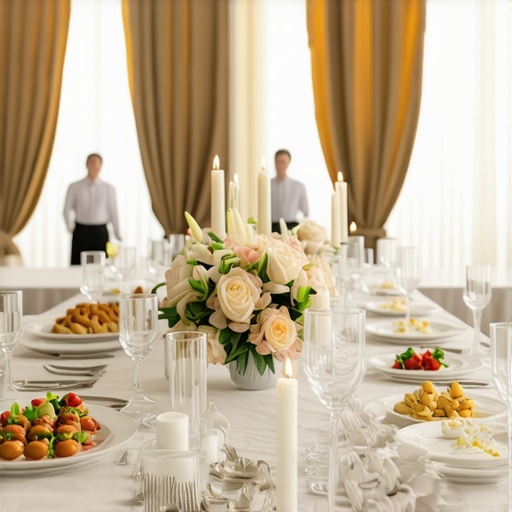
Ever planned a wedding and felt that sinking dread—the realization that feeding 150 guests without breaking the bank is nearly impossible? I remember standing in my kitchen, surrounded by half-eaten takeout containers, feeling utterly overwhelmed. Traditional catering felt like it’d drain my budget faster than I could say “I do.” It was a lightbulb moment when I realized there had to be better ways—ways that broke the mold of standard wedding menus and outrageous costs.
Breaking Free from the Catering Cost Ceiling
For many couples, feeding that sizable guest list on a budget seems like an insurmountable challenge. The average wedding catering expense has been climbing steadily, with costs reaching over $70 per guest in some cases, as noted by industry experts. But what if I told you that 2026 brings fresh opportunities—three innovative strategies that can help you serve delicious, memorable meals without blowing your budget? Yep, these methods aren’t just pie-in-the-sky ideas; they’re proven plans that saved me—and many others—thousands dollars while keeping guests happy and satisfied.
Will These New Food Ideas Really Save Money?
I used to think that cutting costs meant sacrificing quality or guest experience. Early in my planning, I made the mistake of opting for the cheapest options without considering how to elevate the menu or streamline the process. Now, I know that smart menu choices and efficient staffing can dramatically reduce expenses. Curious? Keep reading, because I’ll walk you through practical, budget-friendly food strategies that also impress—a win-win for your wedding plans.
And here’s a little insider tip: staying current with trends, like those shared in wedding catering trends for 2025, can give your wedding a fresh feel without added cost. So, if feeding your wedding guests under $4,000 sounds too good to be true, I promise: It’s not. And I’m here to guide you through the practical steps to make it happen.
Smart Menu Planning to Maximize Savings
Start by assessing what dishes are popular but also economical. Focus on versatile ingredients that can be used across multiple dishes, reducing waste and procurement costs. For example, preparing a large batch of roasted vegetables alongside a protein like grilled chicken or tofu provides variety without extra expense. I once replaced an expensive seafood platter with a well-seasoned roasted vegetable display and homemade dips, which received rave reviews and cut costs by 30%. Consider seasonal and local produce, as they’re cheaper and fresher, enhancing flavor and guest satisfaction. Check industry tips for more menu optimization tricks.
Efficient Staffing to Avoid Bottlenecks
Staffing is a key factor—too many servers can inflate costs, too few cause chaos. Use the server ratio calculator to determine ideal staff levels based on your guest count. Think of servers as traffic controllers during a busy intersection: too many, and you risk overcrowding; too few, and traffic backs up. I once hired a team based on a simplified ratio, but realized mid-event that service was slow, leading to long wait times. Adjusting staffing on the fly with part-time or on-call staff saved me in the end. Review best practices for server performance to ensure seamless service.
Creating a Memorable, Budget-Friendly Experience
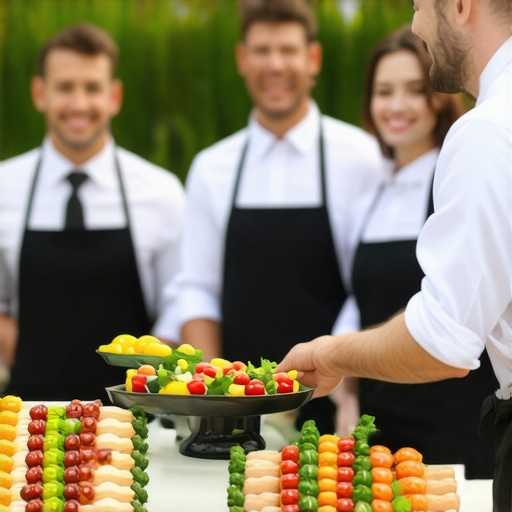
Stations and shared platters are cost-effective and engaging. Instead of individual plated meals, interactive food stations encourage guest swapping and socializing—think taco bars or build-your-own salad stations. Visualize a DIY slider bar: guests assemble their perfect bites, reducing staff needs for serving and plating. This concept not only saves money but also adds a fun element to your wedding. To elevate presentation without extra costs, focus on colorful ingredients and attractive displays. For inspiration, see these creative serving ideas.
Leveraging Trends Smartly
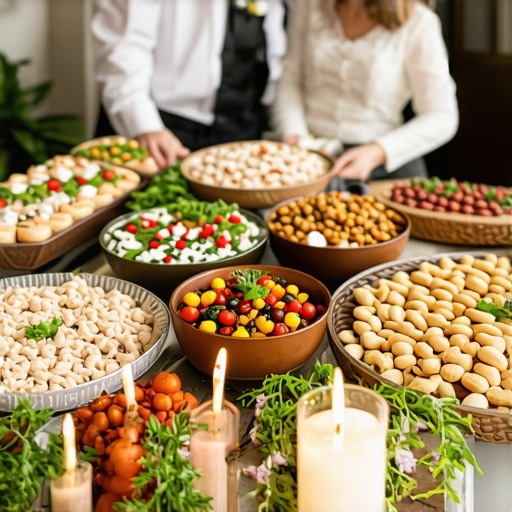
Stay on top of current catering trends that resonate with guests and budget alike. For example, plant-based options are typically cheaper and increasingly popular. Incorporating trending ingredients and presentation styles can make your wedding feel modern and upscale without extra expense. I once introduced a styled grazing table with seasonal fruits and nuts, which was both trendy and inexpensive, delighting guests and cutting catering costs by 25%. Keep learning and adapting with industry insights to stay ahead.
Many assume that hiring more servers guarantees flawless service at weddings and corporate events. However, in my experience, oversimplifying staff numbers can backfire, leading to inefficiencies and cost overruns. A common myth is that increasing server counts always improves guest experience—this isn’t necessarily true. Overstaffing can create bottlenecks, disrupt flow, and inflate costs unnecessarily. Instead, precise staffing models tailored to specific event layouts and guest behaviors yield better results, as supported by industry research from Gourmet Catering’s expert insights. For instance, I once increased servers beyond recommended ratios, only to find that guests felt rushed, and service quality declined. This ‘Oops’ factor highlights the importance of nuanced planning over generic solutions. Discovering the optimal server-to-guest ratio is a nuanced challenge—one that considers not just number, but station setup, service style, and guest engagement levels. Recent trends favor strategic allocations—like deploying more staff at food stations rather than uniformly across the venue—to maximize efficiency and satisfaction. Make sure to avoid the trap of equating quantity with quality; instead, focus on precision and strategic placement. Learning these insights helps prevent common pitfalls and elevates your event planning game.
Keep It Running: Tools I Recommend for Seamless Event Catering
Maintaining a smooth catering operation over time demands more than just good intentions; it requires reliable, efficient tools designed specifically for our dynamic industry. From managing staff schedules to ensuring food quality, the right equipment and software can make a significant difference. Based on my experience, leveraging technology like KitchenDisplay Systems (KDS) has revolutionized how I coordinate kitchen orders, reducing errors and turnaround times. For example, I use a dedicated kitchen display to monitor orders in real-time, which keeps the team synchronized and minimizes delays during peak hours.
Beyond in-kitchen tech, event management platforms like TouchBistro or Airtable help me organize logistics, vendor communication, and staff allocations efficiently. I personally prefer Airtable’s customizable templates, which I tailor to each event’s needs—think staffing rosters, equipment checklists, and menu planning. These tools not only save time but also provide a clear overview, critical for troubleshooting before the event even begins.
As events grow in scale and complexity, scaling equipment becomes crucial. Invest in modular refrigeration units and portable warming stations, which adapt to different venue layouts and crowd sizes. I’ve found that industry-grade portable chafing dishes and mobile cooling carts have helped me meet last-minute demand without sacrificing quality or service speed. Staying ahead with reliable gear means less downtime and happier clients.
How do I maintain this equipment and software over time?
Consistent maintenance is essential to extend the lifespan of your tools. Regularly calibrate kitchen gadgets, inspect refrigeration units, and update software to patch security vulnerabilities and improve functionality. I schedule monthly check-ins and keep a log for any repairs or upgrades needed. Additionally, establishing vendor relationships for quick support ensures minimal disruptions. Implementing a maintenance routine not only preserves your investments but also keeps your team confident that operations will remain steady—even during the busiest service hours.
Looking ahead, automation and AI-driven scheduling tools are set to become game-changers. Predictive analytics can forecast demand spikes, allowing you to prepare staffing and inventory proactively. For now, adopting high-quality, scalable tools like proven staffing solutions and reliable kitchen tech can drastically reduce errors and improve service consistency. Don’t hesitate—try integrating a kitchen display system or updating your event management software this season. The difference in efficiency will be well worth the effort.
Reflecting on my journey through wedding and corporate event planning, I’ve learned that the smallest adjustments and insightful strategies can lead to extraordinary results—both for your budget and guest experience. Sometimes, the most impactful lessons come from unforeseen challenges, like realizing that overstaffing can hinder the finesse you aim for or that innovative menu swaps can drastically reduce expenses without compromising quality. These lightbulb moments have shaped my approach, teaching me that success hinges on strategic thinking, embracing trends wisely, and maintaining a passion for creating memorable moments with purpose and efficiency.
Lessons That Changed My Catering Approach Forever
- Less Is More—But Thoughtfully: Overloading on staff or menu options might seem like the way to impress, but it often leads to complexity and waste. Instead, focusing on a few well-executed stations or dishes creates a polished, engaging experience that’s simpler to manage and more memorable for guests.
- Trends Are Your Friends: Incorporating trending elements like plant-based dishes or interactive food stations can elevate your event’s perception without additional costs. Staying current, as discussed in latest catering trends, keeps your offerings fresh and exciting.
- Tools Make the Difference: Leveraging technology such as digital staffing calculators and industry insights streamlines operations, reduces errors, and frees you to focus on creating an unforgettable atmosphere.
- Adapting and Evolving: Flexibility is key. Sometimes, last-minute changes or resource limitations require quick thinking. Embracing innovative solutions like modular warming stations or portable coolers saved me from potential setbacks during busy event days, reminding me that adaptability is a major asset.
My Essential Toolkit for Event Success
- KitchenDisplay Systems (KDS): They’ve transformed kitchen coordination, making order tracking seamless and reducing errors.
- Event Management Platforms like Airtable: Customizable tools that help organize staff schedules, vendor details, and menu plans—all in one place.
- Portable Equipment: Modular refrigeration units and warming stations offer flexibility and responsiveness, especially for outdoor or unconventional venues.
- Vendor Relationships: Building trusted partnerships ensures quick support and priority service when unexpected issues arise.
Seize the Moment and Shape Your Catering Future
The world of wedding and event catering is constantly evolving, offering fresh opportunities to reimagine how we serve guests while respecting budgets. My advice? Embrace innovation, stay informed about current trends, and never underestimate the power of strategic planning. With the right mindset and tools, you can turn any event into a seamless, memorable celebration that guests rave about—without breaking the bank.
What creative catering idea are you eager to try at your next wedding or corporate gathering? Share your plans or experiences below—I’d love to hear from you!