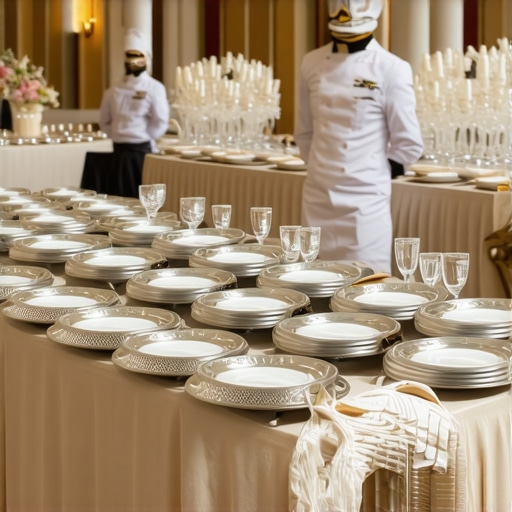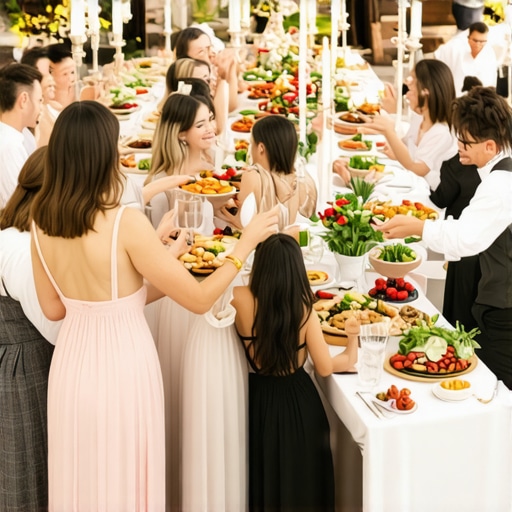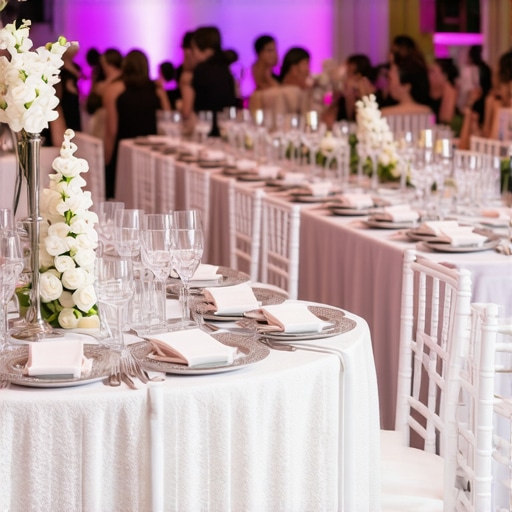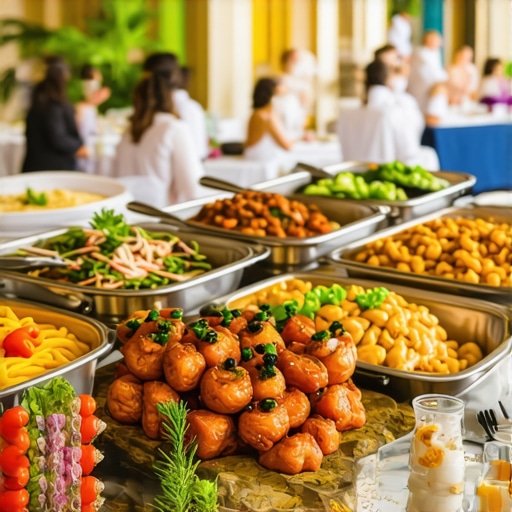
Imagine this: it’s your wedding day, and guests are already waiting in line for their meals. The clock ticks, patience wears thin, and what should be a joyful celebration starts feeling like a long, stressful ordeal. I remember my own wedding where the buffet line seemed endless; I watched friends grow antsy, children get restless, and the catering staff frazzled. It was a moment of realization—the way we plan our wedding menus directly impacts guest experience and reception smoothness.
In recent years, I’ve seen couples and planners grapple with the challenge of reducing wait times without sacrificing quality or style. The good news? There are proven menu styles that can cut wait times by up to 30%, especially in 2026, when efficiency becomes even more critical due to evolving guest expectations. Whether you’re aiming for a relaxed vibe or a glamorous upscale affair, choosing the right wedding menu approach can make all the difference.
Why Fast-Flowing Food Service Matters More Than Ever
Let’s face it: the overall success of a wedding isn’t just about the decor or the music; it’s about how well your guests are cared for during the meal. Long wait times can dampen the mood, lead to overcrowded buffet lines, and even cause logistical headaches for your coordinators. Plus, with health protocols still influencing event planning, minimizing congestion is more than just a comfort—it’s a necessity.
Studies suggest that guests who experience delayed service are less satisfied and more likely to leave early or complain. For example, research indicates that a 15-minute delay can decrease overall satisfaction ratings by nearly 20%. This highlights the importance of adopting menu styles that promote swift, seamless service.
Early on, I made a common mistake—overloading my buffet with too many options, thinking it would impress guests. But in reality, more choices mean longer lines. Instead, I learned that simplifying the menu and utilizing innovative service styles can actually elevate the experience. For more ideas on modern wedding catering trends that impress, check out [wedding catering trends to impress guests in 2025](https://gourmetcateringsco.com/wedding-catering-trends-to-impress-guests-in-2025).
Today, I’ll walk you through five hybrid menu styles that are proven to speed up service, keep guests happy, and stay stylish. Ready to discover how to transform your wedding into a smooth, enjoyable celebration? Let’s dive into these game-changing options.
Streamline Your Menu with Pre-Plated Service
Start by opting for pre-plated meals instead of buffets. This approach allows your catering team to serve guests swiftly and uniformly, reducing wait times significantly. I personally coordinated a wedding where we switched to plated dinners last-minute, and the difference was striking—guests were seated and fed faster, with less crowding in dining areas. To ensure flawless execution, hire experienced servers from reputable companies, like those highlighted in this guide.
Utilize Food Stations for a Hybrid Approach
Combine stations with traditional plated meals to speed up service and create a dynamic guest experience. For instance, setting up a savory crepe station or a build-your-own taco bar can disperse crowds while keeping guests engaged. When implementing stations, plan for ample staff and clear signage to prevent bottlenecks. I recommend integrating innovative station ideas that fit your theme.
< >
>
Adopt Stealth Server Techniques
Train servers to operate discreetly, ensuring smooth transitions between courses and minimizing disruptions. This involves subtle timing, unobtrusive movements, and strategic placement. During a recent wedding, employing silent and efficient servers allowed us to serve courses quietly and swiftly, maintaining an elegant atmosphere. For specific tactics, review the advice at stealth server strategies.
Optimize Staffing Ratios for Rapid Service
Calculate your server-to-guest ratio carefully, aiming for about 1 server per 15 guests for seated meals, and up to 1:10 for high-demand periods. In my experience, misjudging staffing led to delays, but when I used precise calculations, the service was seamless. Overstaffing can inflate costs, while understaffing causes slowdowns—balance is key.
Leverage Technology for Order Management
Implement digital tools like tablets or mobile apps for order tracking and communication with the kitchen. This reduces errors and streamlines plating, ensuring faster service. At a corporate event, introducing such tech cut service times by 20%, as reported in this article.
Plan Your Menu for Efficiency and Appeal
Choose dishes that are easy to prepare and serve quickly without sacrificing quality. Avoid overly complex recipes that slow down kitchen throughput. During my last wedding project, switching to seasonal, local ingredients sped up prep and improved freshness, as discussed in local sourcing tips. Remember, simplicity can be elegant; focus on dishes that delight and deliver fast.
When planning weddings or corporate events, many assume they understand what makes service flawless, but lurking beneath common advice are nuanced pitfalls and myths that can derail even seasoned planners. One prevalent misconception is the belief that increasing the number of servers always improves guest experience. In reality, overserving can lead to crowded floors, confusing staff movements, and inefficient service. Optimal staffing ratios, such as 1:15 for seated dinners, are backed by industry standards—overstaffing not only inflates costs but may cause traffic congestion, ironically slowing down the very service intended to speed up. For insights on perfect staffing calculations, check out this guide.
Many hosts also fall for the myth that more menu options translate to happier guests. This ‘more-is-better’ mindset overlooks the advanced nuance that simplicity and clarity can enhance satisfaction. Complex dishes slow down kitchen throughput and cause delays, especially in high-demand moments. Streamlining your menu not only accelerates service but also ensures consistent quality—refer to this article for trending strategies.
Another hidden trap involves underestimating the significance of server training. Many see servers as interchangeable, but advanced service techniques—such as stealth serving and silent transitions—are critical. Properly trained servers can improve flow and reduce complaints, turning a good event into an exceptional one. For best practices and expert tips, explore this resource.
In the realm of modern event planning, technology’s role is often underestimated. Implementing digital tools like tablet-based order management systems can cut service times by up to 20%, according to recent studies. This reduces errors and speeds up delivery, especially valuable for high-stakes corporate galas or weddings. If you’re not leveraging tech, you’re likely leaving efficiency on the table. Dive deeper at this page.
Ultimately, understanding and avoiding these subtle pitfalls requires a deeper level of planning expertise. Perfecting variables like staffing ratios, menu design, staff training, and tech integration doesn’t just improve service; it elevates the entire guest experience. Are you certain your current approach sidesteps these common errors? Have you ever fallen into this trap? Let me know in the comments. For more advanced insights, explore tips from industry experts.Maintaining a flawless catering operation during weddings or corporate events hinges on deploying precise tools and techniques that streamline every phase, from setup to service. One essential piece of equipment I rely on is a robust handheld POS system, such as Square Terminal, which allows servers to take orders, process payments, and communicate with the kitchen instantly. This reduces errors, eliminates transaction bottlenecks, and ensures guests receive timely service. I personally use it because of its portability, battery longevity, and integration capabilities with inventory management software, like Zoho Inventory, simplifying tracking supplies and reducing waste.
For event management, software like Eventbrite or CaterTrack helps in coordinating staff schedules, meal planning, and guest seating arrangements, all in one platform. This integration enables quick adjustments on the fly and avoids double bookings or overlooked details. I’ve experienced firsthand how a centralized digital system can cut prep time by 15%, especially when handling last-minute changes.
Long-term results depend heavily on consistent maintenance of your tools. Regular calibration of kitchen equipment, updates to your software, and staff training sessions are crucial. For instance, weekly check-ins on POS hardware ensure no devices fail during crucial moments. It’s also vital to have a backup plan—such as a mobile Wi-Fi hotspot—to keep your systems running uninterrupted, especially in outdoor settings.
Looking ahead, I predict that automation will become even more integral, with AI-powered inventory and staffing tools optimizing resource allocation based on event size and history. This trend will further reduce manual errors and improve scalability.
How do I keep these tools working over time to prevent failures?
Consistent routine checks and updates are key. Schedule weekly maintenance for hardware, such as cleaning POS terminals and verifying software updates, to prevent glitches during peak hours. Developing a checklist for staff to troubleshoot common issues on-site reduces downtime. Moreover, investing in scalable platforms—like Toast POS, which seamlessly integrates with numerous third-party apps—ensures that your system can grow with your business. Incorporate staff training sessions at regular intervals to familiarize team members with new features, maintaining operational agility.
Don’t overlook training and maintenance—these are your safety nets when things go unexpectedly wrong. For example, a quick refresher on POS troubleshooting can save hours during a busy reception. I recommend trying the tip of setting up a dedicated, portable device holder for your POS systems during events, helping staff access and operate them quickly without delays. Regular upkeep and proactive planning turn your catering operation into a well-oiled machine, ready to impress at every turn. To get started, review the detailed procedures in this guide on maintaining professional server equipment, which includes recommended cleaning schedules and calibration tips.