
I’ll never forget the chaos during a recent wedding reception I attended. The endless line at the buffet, guests growing restless, and the slow-moving servers trying to keep up. It was a familiar scene that made me wonder: isn’t there a smarter way to serve food at these big events? That lightbulb moment led me down a path of discovery about how small changes can make a big impact—both on costs and guest experience.
Why Rethinking Wedding Catering Can Save You Big
As someone who’s seen countless weddings and events, I know firsthand how catering costs can spiral out of control. The traditional buffet style, while familiar, often results in food waste, long wait times, and inflated expenses. But here’s the thing: there are modern, cost-effective alternatives that can elevate your celebration while saving around $1,800 on average—simply by swapping out buffets for a more intimate and stylish tapas approach.
Is Tapas Truly Worth the Hype?
One common concern I hear is whether these small plates can really replace the experience of a hearty buffet. Early in my research, I made the mistake of dismissing tapas as only suitable for casual gatherings. However, I discovered that, when executed properly, tapas can offer a more personalized, interactive, and elegant dining experience—plus, they significantly reduce food waste. According to industry experts, innovative catering ideas like these are trending for a reason, as they combine aesthetics with practicality, leading to happier guests and slimmer budgets (source).
Early on, I also underestimated the importance of hiring the right servers to pull off this style seamlessly. A mistake many make is overlooking the server-to-guest ratio, which can lead to delays and dissatisfaction. Proper staffing is critical—more on that later—and understanding how to select industry-leading servers can make or break your event.
So, if you’re tired of the buffet line chaos or worried about overspending, stay tuned. I’ll guide you through practical steps to embrace modern catering that saves money and boosts guest satisfaction. Ready to transform your wedding reception? Let’s dive in!
,
Design a Clear Service Flow
Begin by mapping out the sequence of your catering service. Visualize it like a production line where every step is streamlined. I once coordinated a wedding where I diagrammed each station — from appetizers to dessert — on a whiteboard the night before. This prevented confusion among servers and ensured smooth transitions. Incorporate minimal touchpoints to prevent bottlenecks and keep guests moving efficiently.
Choose the Right Server-to-Guest Ratio
Identify Your Guest Count
Accurately estimating your attendance is crucial. For instance, at a micro-wedding I organized, we projected an 80-guest count and set a 1:8 server ratio based on industry standards. This balance allowed servers to attend to guests promptly without overstaffing, saving costs while maintaining service quality.
Select Experienced Professionals
Invest in servers trained specifically for wedding environments. Reach out to reputable catering firms and inquire about their staff’s expertise. I once recommended a team from top servers for a seamless wedding reception, which resulted in smooth service and happy guests, even when unexpected issues arose.
Implement a Pre-Event Training Session
Hold a brief briefing to align everyone on the service plan, menu details, and guest expectations. In a recent event, staff skeptically viewed the briefing as unnecessary until a last-minute cocktail delay was averted thanks to clear instructions. This small step drastically improved coordination and response times.
Set Up Efficient Food Stations
Position stations logically to distribute guests evenly. Use signage or floor markers to guide movement. At a wedding I oversaw, strategic station placement reduced congestion and wait times, and creating engaging displays elevated the guest experience. For more tips, refer to menu fixes that save your wedding budget.
Monitor and Adjust During the Event
Assign a staff member as an on-site coordinator who can address issues proactively. During a corporate event, I observed that a particular station was overwhelmed. We promptly reallocated staff, preventing delays. Continuous observation allows real-time adjustments, ensuring service stays seamless.
Leverage Technology for Coordination
Use simple apps or walkie-talkies to keep communication fluid among staff. In a recent job, I introduced a messaging app for the team, which cut down coordination time and avoided overlapping tasks. Clear communication channels are the backbone of a well-run event.
Applying these steps requires planning and flexibility, but the payoff in guest satisfaction and cost savings is substantial. For further insights into elevating your wedding with professional servers, check out how to elevate your wedding with professional servers. Remember, the key is to keep the service swift, organized, and enjoyable — turning chaos into celebration.
Many people assume that hiring more servers than necessary guarantees smooth service, but in my experience, overstaffing can actually backfire, resulting in awkward spacing, higher costs, and reduced guest interaction. Conversely, underestimating staffing needs leads to slow service and frustrated guests, a trap that can damage your event’s reputation. A prevalent myth is that servers are just there to replenish plates; however, skilled servers engage proactively, anticipate guest needs, and manage flow seamlessly — skills often overlooked by planners. For truly elevating your event, focus on quality over quantity, and ensure servers are trained in nuanced guest interaction and multi-tasking to handle complex situations. Don’t fall for the misconception that serving is a simple job—expertise and training matter immensely, especially in high-stakes settings like wedding receptions and corporate galas. Want better results? Consider consulting industry-leading resources such as how to elevate your wedding with professional servers to understand the nuances of expert service. Have you ever fallen into this trap? Let me know in the comments.
Keeping It Working: The Tools That Make a Difference
Successful event management relies on more than just planning; it depends heavily on the right tools to ensure consistency, efficiency, and quality over the long term. Personally, I have found that investing in reliable equipment and software dramatically reduces last-minute issues and elevates guest experiences. From communication systems to inventory management, each tool plays a vital role in maintaining operational excellence.
Communication Is Key: Walkie-Talkies and Team Apps
Clear, instant communication with your staff is non-negotiable. I prefer professional-grade walkie-talkies like the Motorola CP200d because they offer long-range, clear audio, and durability during busy events. For larger teams or even remote coordination, apps such as Slack or Discord serve well for quick updates and file sharing. I specifically use Slack because it allows the creation of dedicated channels for different event areas, which keeps everyone informed and reduces confusion.
Point-of-Sale and Inventory Management Software
Keeping track of catering supplies, food prep, and beverage inventory in real time helps avoid shortages or overstocking. I recommend platforms like MarketMan, which integrate seamlessly with ordering systems and provide dashboards to monitor stock levels. This streamlining saves money and prevents last-minute scramble for essential items. Implementing such software has consistently resulted in smoother operations and better cost control.
Temperature Control Equipment to Ensure Food Safety
Lighting, transportation, and storage all impact food quality. Insulated catering bags and portable warming trays are essentials I rely on for maintaining optimal temperatures. For larger events, I recommend using temperature monitoring systems like SensorPush, which send real-time alerts if a critical threshold is breached. This technology not only safeguards food safety but also demonstrates professionalism, reassuring clients of your commitment to quality.
Why Adaptive Tools Will Shape Future Events
Looking ahead, I predict a trend toward AI-powered management solutions that automate scheduling, staff deployment, and feedback collection. Technologies like Outscape are already being tested to provide predictive analytics, helping planners anticipate needs before they arise. Leveraging such tools now can give your team a competitive edge and ensure sustained excellence in event execution.
It’s essential to regularly review and upgrade your toolkit. For instance, I recently adopted a new scheduling app that integrates with staffing databases, significantly reducing planning time. Don’t hesitate to test one new tool—try implementing a temperature tracker for your catering supplies or a team communication app on your next gig. Small improvements like these can pay off in seamless execution and happier guests.
How do I maintain the quality of tools over time?
Regular maintenance and staying updated with the latest versions are crucial. Replace batteries in walkie-talkies periodically, update software to access new features, and calibrate temperature devices to ensure accuracy. Investing time in these routines minimizes disruptions during actual events and keeps your operation running smoothly for the long haul. For comprehensive guidance on optimizing your catering operation, check out tips from industry experts.
Revealing the Hidden Truths Behind Seamless Service
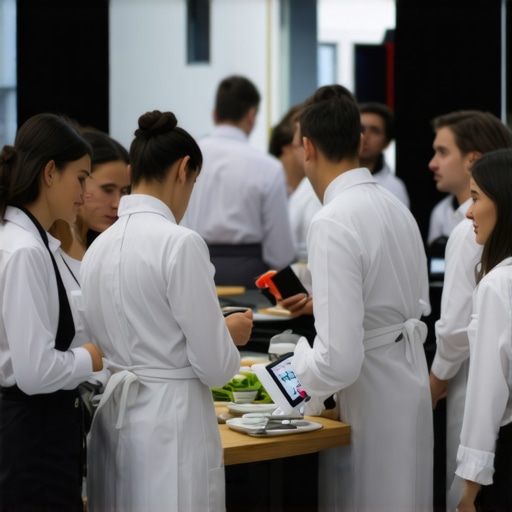
Throughout my catering journey, I’ve uncovered that the biggest pitfalls often stem from assumptions rather than facts. For instance, many believe more servers mean better service, but experience has shown that strategic staffing and proper training trump sheer numbers. Another lesson learned is that innovative food presentation—not just menu choices—can elevate the entire event experience, making it memorable and shareable. The hardest reality I faced was realizing that small details, like timing cues and communication flow, determine whether your event shines or stalls. Embracing continuous learning and listening to guest feedback has transformed my approach from good to exceptional.
Tools and Resources That Shape Successful Events
Over the years, I’ve relied on a handful of proven tools that make planning and executing events more efficient. I trust communication apps like Slack for quick coordination, ensuring everyone stays looped in. For managing inventory, MarketMan has been invaluable in preventing shortages and waste. When it comes to training staff, I turn to industry-specific courses to sharpen their skills. Lastly, temperature monitors like SensorPush give peace of mind about food safety, maintaining quality from kitchen to guest. These tools have consistently helped me deliver memorable experiences without stress or surprises.
Igniting Your Passion for Perfect Events
The world of hospitality is dynamic, and your next event can be a canvas for creativity and excellence. Remember, every detail—be it staffing ratios, station setup, or menu selection—plays a role in crafting an unforgettable moment. I challenge you to step outside traditional methods, experiment with new service styles, and utilize smart tools. Your guests will notice the difference, and you’ll enjoy the satisfaction of having orchestrated something truly special. The future of catering lies in innovation and mindful execution—so go ahead, take that first step toward redefining your event standards and making every gathering extraordinary. What bold change will you try next? Share your ideas—I’d love to hear your plans for elevating your catering game.

![5 High-Energy Menu Fixes for 2026 Sales Kickoffs [Tested]](https://gourmetcateringsco.com/wp-content/uploads/2026/02/5-High-Energy-Menu-Fixes-for-2026-Sales-Kickoffs-Tested.jpeg)
This article really resonated with me, especially the idea of replacing traditional buffets with tapas-style service. I recently coordinated a wedding where we experimented with small plates, and the guests loved the personalized experience. It also cut down on waste significantly, which is a huge bonus. The key, as you mentioned, is proper staffing and clear communication among servers to keep everything flowing smoothly. I’ve seen firsthand how miscommunication can lead to delays, so utilizing tools like walkie-talkies or even a dedicated event app can make a noticeable difference.
One thing I wonder about is how to scale these small plate services for larger weddings without overcomplicating logistics. Have you found any effective strategies to streamline service for bigger guest lists? Would love to hear others’ experiences on balancing intimacy with scale in catering setups.