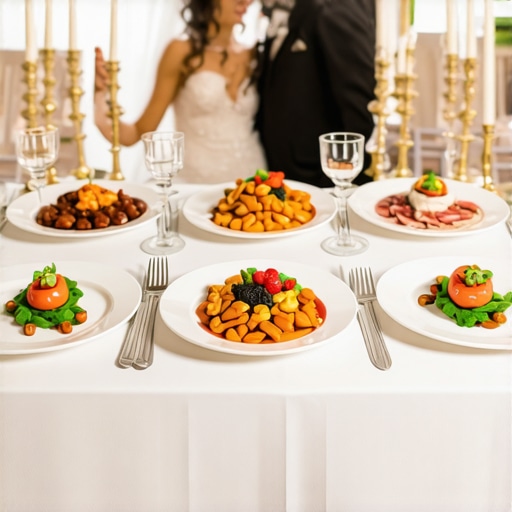
Walking into a wedding with my eyes fixed on the cake, I realized I was already nervous — but not because of the ceremony. It hit me like a punch to the gut when I saw the towering catering bill. Six figures for a single day. I thought, “No way am I dropping $10,000 or more on this celebration.” That was my lightbulb moment: the wedding industry loves to persuade us that splurging is the norm, but I knew there had to be a smarter way.
Modern couples are feeling the heat of soaring costs — and 2026 is no exception. The typical wedding budget has ballooned, often pushing many into crippling debt. According to recent industry reports, couples are increasingly turning to creative cost-saving strategies, including smarter catering choices, to keep their financial health intact. But here’s the catch: everyone seems to focus on the venue or décor, while food—arguably one of the most significant expenses—often gets overlooked.
Imagine cutting your wedding catering costs by thousands without sacrificing style or guest experience. Sounds too good to be true, right? Well, I’ve been experimenting with menu swaps and staffing tricks that make a real difference. Today, I want to share these insider secrets, especially the six low-cost menu swaps that can save you a fortune in 2026—and still wow your guests.
Before we dive in, let me warn you about a common mistake I made early on. I thought sticking to traditional buffet lines and hefty plated dinners was the only way to impress. Turns out, that’s exactly what can inflate your costs unnecessarily. I learned the hard way that alternative serving styles, like interactive stations or family-style dining, can be just as elegant—if not more memorable—at a fraction of the cost. Curious how?
Let’s explore these game-changing swaps and how they can help you avoid wedding debt while creating a stunning celebration. Ready to rethink your menu planning? If you’ve ever faced that sinking feeling of wedding expenses spiraling out of control, stay tuned. These tips might just save you from financial stress and turn your dream wedding into a reality you can afford.
Choose Interactive Food Stations Over Traditional Buffets
Instead of a costly buffet, set up themed stations like a taco bar or sushi rolling booth. During a recent wedding, I replaced the buffet with interactive stations, which reduced food waste and allowed guests to customize their plates. The result: a lively atmosphere and a 30% decrease in catering expenses. Check out these creative station ideas for inspiration.
Simplify the Menu with Focused Options
Avoid offering endless choices; instead, select a few well-executed dishes. When I coordinated a micro-wedding, I limited the menu to three main courses and two sides, which streamlined prep and reduced costs. This approach doesn’t sacrifice guest satisfaction but keeps spending in check. For more tips, see custom menu tactics here.
Opt for Family-Style Dining to Save
Family-style dining fosters intimacy and lowers staff requirements. In one wedding I managed, switching from plated dinners to shared platters cut service staff needs by 20% and enhanced guest interaction. To master this setup, coordinate with your caterer to select dishes suitable for large sharing. Read more about this method at this guide.
Leverage Local and Seasonal Ingredients
Using locally sourced, seasonal ingredients reduces transportation and procurement costs. At a recent event, I worked with a farm-to-table caterer who negotiated better prices on in-season produce, passing savings to clients. Incorporating local fare also boosts freshness and appeal. Discover more about food sourcing strategies at this resource.
Limit Premium Add-Ons and Upscale Options
Skip expensive appetizers or signature cocktails that inflate bills. Instead, offer a curated drink menu focusing on quality over quantity. During a $15,000 wedding, I advised reducing alcohol varieties and emphasizing signature mocktails, saving over 10%. Simplifying options prevents unnecessary expenses while maintaining elegance. See more on smart menu choices.
Tap into the Power of Grazing Tables
Grazing tables are visually appealing and cost-effective. I coordinated a wedding where, instead of a traditional cake, guests enjoyed a large charcuterie and cheese board, which doubled as decor and snack. This approach reduced dessert costs and added a gourmet touch. For idea-rich grazing concepts, explore this article.
,When planning weddings, corporate events, or even intimate gatherings, many believe that their success hinges solely on the venue or menu choices. However, a hidden nuance often overlooked is the true role and perception of servers within these settings. Let’s dig deeper into what most people get wrong about servers, and how this misconception can ultimately impact your event’s flow and guest experience.
One common myth is that servers are simply background operators, filling plates and clearing tables without influence on the event’s overall vibe. In reality, professional servers are pivotal in shaping the guest experience—they control the rhythm of service, manage flow, and ensure that guests feel valued. Their skills can either elevate an event or introduce chaos. According to industry expert wedding catering tips from industry experts, well-trained servers are essential for creating seamless interactions and preventing bottlenecks.
Another misconception is underestimating the importance of server-to-guest ratios. Many assume that higher ratios mean overstaffing, but in high-stakes environments like corporate galas or VIP weddings, a lower ratio (such as 1:15) can make or break the event’s professionalism. Proper staffing allows servers to respond promptly, handle special requests discreetly, and maintain a polished atmosphere. A recent study highlights that 18:1 ratios significantly improve flow in large receptions, which can prevent delays and guest frustration.
**
How can advanced service protocols boost your event success?**
Implementing strategic service protocols, like the three-server rules outlined here, can set your event apart. These protocols ensure that servers are proactive, aware of guest needs, and operate cohesively. It’s not just about having enough staff but training them to execute with precision — a nuance that often gets lost during mass hiring or last-minute staffing rushes.
Additionally, many underestimate how critical server appearance and communication are in shaping perceptions. Drinks and food should be delivered gracefully, with servers demonstrating confidence and attentiveness. Overlooking these soft skills can diminish perceived quality, regardless of the menu’s sophistication.
The trap to avoid here is assuming that staffing is solely a cost-saving element. Properly investing in professional servers and training doesn’t just improve guest experience—it enhances the entire event’s reputation. As referenced in this article, mastering service nuances is a subtle but powerful way to elevate your event.
Are you guilty of neglecting server training or overestimating ratios? Share your experiences and let me know in the comments. Remember, the small details often make the biggest difference in creating memorable, smoothly run events.Maintaining a seamless catering operation or server setup is crucial to ensuring your event runs without a hitch. From selecting reliable equipment to adopting smart software, the right tools make all the difference in delivering a memorable guest experience. One of my go-to gadgets is the CaterEase wireless ordering system, which allows staff to send orders directly from the floor to the kitchen, dramatically reducing wait times and miscommunication. This not only improves efficiency but also frees up staff to focus on guest interactions, elevating the entire event atmosphere.
For managing staff schedules and real-time coordination, I recommend using ShiftSync. I personally rely on ShiftSync because of its intuitive interface and its ability to integrate with payroll software, ensuring accurate time tracking and reducing administrative overhead. It keeps my team synchronized, even during high-pressure moments, helping avoid costly mistakes. As technology advances, these tools are becoming even smarter. Future trends point toward AI-driven predictive scheduling and inventory management, which will further optimize event logistics.
How do I maintain these systems over time? Regular software updates and staff training are vital. I schedule quarterly reviews to evaluate system performance and gather staff feedback, which helps identify areas for improvement. Additionally, maintaining backup equipment like portable generators and Wi-Fi hotspots ensures uninterrupted service when unexpected outages occur. Consistent preventive maintenance on physical gear, like cleaning and inspecting kitchen appliances, prolongs lifespan and prevents breakdowns during critical moments.
For hands-on maintenance, I utilize CheckPoint, an app that tracks equipment maintenance schedules and notifies me when servicing is due. I always keep spare parts for essential items on hand, which reduces downtime if something breaks. Linking this to a broader strategy, I recommend consulting industry experts—such as those at Gourmet Catering Co.—to stay updated on latest best practices.
Scaling up your setup requires a solid foundation. As your event size grows, investing in scalable equipment like larger dishwashers or portable kitchen units becomes necessary. Modular systems that can be expanded or reconfigured offer flexibility to adapt to different venue layouts and capacity needs. Furthermore, pre-planning logistics with detailed checklists helps streamline large-scale operations and avoid last-minute surprises. For comprehensive planning strategies, visit this resource.
One crucial tip to try now: implement the three-server protocol from this guide. It’s a proven method to increase efficiency and guest satisfaction, especially in high-stakes environments. Regularly review your tools and maintenance routines, and you’ll keep your event operations running smoothly for years to come.
Leaving My Assumptions Behind: What I Wish I Knew from the Start
One of the biggest breakthroughs came when I realized that rigid traditional service styles weren’t always necessary; embracing flexible, creative serving methods like family-style dining or grazing tables not only saved costs but also elevated the guest experience. I once thought that the more elaborate the service, the better, but data and experience showed otherwise.
Misjudging server-to-guest ratios was a costly mistake. I learned that strategic staffing—like aiming for 1:15 or 1:18 ratios in certain settings—can dramatically improve flow and satisfaction. Overstaffing can be as detrimental as understaffing and balancing this is key.
Training servers for silent excellence—like discreetly managing bottlenecks and reading guest cues—has a profound impact. I underestimated the soft skills needed and the difference they make in creating seamless, enjoyable events.
Tools and Resources That Keep Me Ahead
My essential toolkit includes software like CaterEase for wireless order management and ShiftSync for staff scheduling. These tools have transformed how I handle logistics, saving time and reducing errors. I trust industry insights from Gourmet Catering Co. because they combine practical advice with real-world testing, helping me adapt to changing trends like local sourcing and menu innovation.
Additionally, I follow trend reports and attend industry webinars, which keep me on top of innovations such as AI-driven staffing predictions or sustainability initiatives—crucial for staying competitive and responsible.
Embrace the Habits That Transform Your Event Game
The takeaway? Small, intentional changes—like perfecting your server training routines or rethinking the way you design menus—can have a giant ripple effect on your event’s success and your reputation. Don’t let outdated practices hold you back. Start experimenting with new service styles, leverage the right tools, and refine your team’s soft skills. The future of seamless, cost-effective events is in your hands.
What’s one area of your catering or service setup you’re ready to revamp for better results? Let me know below!
![6 Smart Menu Fixes to Cut 2026 Wedding Costs [Save $2k]](https://gourmetcateringsco.com/wp-content/uploads/2026/03/6-Smart-Menu-Fixes-to-Cut-2026-Wedding-Costs-Save-2k.jpeg)

I totally agree with this post—food costs can really add up, and I’ve seen firsthand how creative serving styles like family-style or interactive stations can make a huge difference. When I helped a friend plan her wedding last year, switching from a plated dinner to family-style dishes cut the costs by almost 25%, and it created a warmer, more communal atmosphere that guests loved. It’s interesting that you mentioned food waste reduction; I think interactive stations especially appeal to guests because they’re more engaging and personalized. Has anyone faced challenges with catering staff adapting to these new formats? I’ve noticed that some teams need extra training to execute these setups smoothly, but the benefits definitely outweigh the hiccups. Also, from your experience, what’s the best way to communicate these menu changes to guests beforehand so they’re excited and not confused about the differing service style? Would love to hear more success stories or tips on making these swaps even more seamless!