

I’ll never forget the sinking feeling in my chest when I opened the first gallery from a gala I had spent six months planning. I had obsessed over every detail—the silk napkins, the server uniforms, even the hand-picked garnishes. But the photos? They looked like they’d been taken through a layer of wet gauze. The vibrant peonies looked grey, and my VIP guests looked like they hadn’t slept in weeks. It was a visceral realization that while I was focusing on the physical room, I had completely ignored how that room would actually look through a camera lens. If you’ve ever felt like your expensive event looks like a school assembly in pictures, believe me, I’ve been in those shoes, and I’m here to make sure it never happens to you again. We are going to solve the mystery of why your photos are losing their soul and how to bring that high-end depth back into every frame. [image_placeholder_1]
The Day My Event Photos Failed the Vibe Check
Early in my career, I made the classic mistake of thinking that a ‘great photographer’ could magically fix a poorly lit room. I learned the hard way about the true cost of hiring a student photographer for your wedding or corporate function; they often lack the experience to tell you when the house lights are sabotaging their sensor. Most venues are lit for ‘safety and navigation’ rather than ‘cinematic depth.’ According to the Illuminating Engineering Society, lighting without a sufficient contrast ratio—often found in standard ballroom setups—destroys the three-dimensional appearance of objects, which is exactly why your expensive decor looks like a flat cardboard cutout. You have to be intentional about your shadows, or the camera simply won’t find them.
Do you really think house lights are enough?
It is the biggest skepticism I hear: ‘Won’t professional lighting make the room feel too dark or too theatrical?’ The reality is that without layered illumination, your camera’s sensor tries to compensate for the flat light by blowing out the highlights, leading to that ‘washed out’ look. I once ignored how to choose the right lighting for a high stakes board dinner and ended up with a room that felt like an office cubicle. Have you ever noticed that your smartphone photos at the event look better than the pro ones? That is because the pro gear is capturing too much of the bad light. To fix this, we need to talk about the hidden cost of using cheap floor lighting for your reception and why those ‘budget’ uplights are actually turning your guests’ skin tones into a muddy mess. Have you ever looked at your final photo gallery and felt like the ‘sparkle’ you saw in person was just… missing?That missing sparkle isn’t a camera flaw; it’s a lack of contrast. To fix it, you have to stop treating your venue like a giant box and start treating it like a cinema set.
Stop Relying on the Ceiling to Do the Heavy Lifting
Think of your venue’s house lights like a floodlight in a parking lot: they are designed to make sure nobody trips, not to make your centerpieces look like a million dollars. To get that high-end editorial look, you have to layer your light like you layer an outfit. Start with a base of warm uplighting to pull the walls out of the shadows, then add specific highlights to your focal points. I learned this while trying to figure out the secret to lighting a champagne tower for maximum sparkle; if you hit the glass from the wrong angle, you just get glare, but if you back-light it with a narrow beam, the whole thing glows from within. This directional light creates the micro-shadows that allow the camera to perceive depth. Without it, the lens sees a white blur where a crystal tower should be. 
Why Untrained Staff Ruin Your Background Aesthetics
You can have the most expensive floral arrangements in the city, but if a server walks into the back of your CEO’s keynote photo with a stack of dirty salad plates, the luxury is shattered. I once managed a high-profile charity auction where the catering team wasn’t briefed on camera-aware service. Right as the lead donor stood up for the winning bid—the shot of the night—three servers began clattering porcelain and stacking dishes right in the bokeh of the lens. It looked like the donor was wearing a crown of dirty dishes in the local paper the next morning. Learning how to prevent plate stacking at high-end charity auctions isn’t just about noise; it’s about visual discipline. This is why you must know how to spot a fake luxury server team before they ruin your gala. Professional teams know to move through the blind spots of a photographer’s lens and keep the background as clean as the foreground.
Clear the Visual Noise Before the First Flash
Clutter is the silent killer of great event photography. Before the doors open, walk the room specifically looking for black velcro strips, orange extension cords, and duct tape. You would be shocked at how many stunning ballroom shots are ruined by a nest of wires under the music stand. I always tell my clients to learn how to hide the DJs messy cables with strategic floral arrangements. It’s a five-minute fix that saves hours of expensive retouching fees later. If a photographer has to spend their time photoshopping out a stray power strip, they aren’t spending that time capturing the emotions of your guests.
Don’t Guess When the Sun Will Set
Finally, lighting isn’t static, especially if your venue has windows. The light at 6:00 PM is vastly different from the light at 8:00 PM. I used to think I could eyeball the timing, until a summer wedding where the sun hit the head table at such a sharp angle that the bride spent the entire toast squinting like she was in a desert. This is exactly why your wedding photos need a sunset scouting session. You need to know where those natural shadows will fall before the guests arrive, or you’ll be fighting the sun all night.Most planners think the secret to a high-energy room is a high-octane guest list, but I’ve seen thousands of dollars in networking potential evaporate because of a furniture choice. Everyone says round tables are the ‘classic’ choice for luxury, but in my experience, they are a literal wall for conversation. Why round tables kill the energy at corporate networking mixers is a lesson I learned while watching guests stay glued to their seats rather than circulating. When you sit eight people at a large round, they only talk to the two people directly beside them. It’s a networking death sentence. To get that high-end depth back into your photos and your atmosphere, you need to break the traditional mold. I’ve found that why mismatched chairs actually work for luxury garden weddings or standing high-tops for corporate galas creates a much more dynamic, ‘photogenic’ energy. 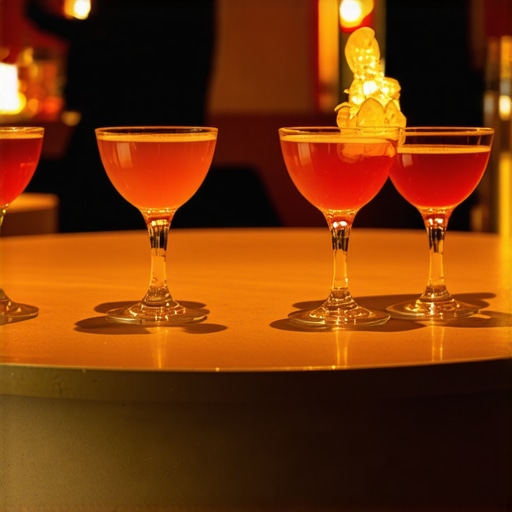
Are you choosing your menu based on ego or logistics?
This is the ‘oops’ factor that separates the amateurs from the veterans. I once saw a planner insist on a complex, three-course filet mignon service for a 500-person lunch in a venue with no on-site cooking facilities. It was a disaster. The problem with serving steak at a 500 person business lunch is that by the time guest 400 is served, guest 1’s plate is stone cold. According to a study by the Journal of Culinary Science & Technology, the rate of heat loss on standard ceramic plates can drop food temperature below the ‘enjoyment threshold’ in less than six minutes if the environment isn’t strictly controlled. If your venue doesn’t have a kitchen, you need to know how to serve a hot meal in a venue without a kitchen by using heat-retaining equipment and specific menu choices like braised meats rather than seared ones. Another common trap is hiring a massive team without a structure. More bodies doesn’t mean better service; it usually just means more people for the photographer to accidentally trip over. You need to understand why your server team needs a designated captain for every 50 guests to ensure the flow doesn’t turn into a stampede. This lead person acts as the air traffic controller for the room, making sure the background of your photos stays clean. Have you ever fallen into the ‘steak trap’ or had a room full of people who refused to move from their round tables? Let me know in the comments. We need to talk more about how to choose the perfect servers for your wedding or corporate event because the human element is what truly makes or breaks the ‘sparkle’ I mentioned earlier.
Scaling this level of detail across dozens of events a year isn’t about being a superhero; it’s about the specific tools you keep in your back pocket to ensure consistency. I have transitioned entirely away from hand-drawn sketches to digital mapping software because it allows me to visualize the camera’s perspective before a single chair is even delivered to the venue. Knowing how to layout a corporate ballroom for maximum networking means I can identify the ‘dead zones’ where the house lighting won’t reach and the energy will inevitably die. Software like Social Tables or AllSeated allows for millimeter-perfect precision. According to the International Association of Venue Managers (IAVM), spatial accuracy within five percent is the industry gold standard to prevent bottlenecks and ensure emergency egress compliance. If your floor plan is off by even a foot, your entire cinematic vision for the catering flow collapses into a logistical mess.
Ditch the paper and embrace digital floor plans
Beyond the software, I rely heavily on discrete, low-profile headsets—specifically the Motorola CLP series—for my leads. Communication is the only way to maintain that elusive ‘sparkle’ once the doors open. If a server sees a guest with an unexpected dietary need, it shouldn’t be a frantic scramble across the floor; it should be a quiet, professional whisper through the mic. You need to know why your server team needs a clear chain of command on site to avoid the game of telephone that ruins high-stakes VIP experiences. This structural discipline is what allows you as the planner to focus on the big picture while your team handles the minutiae of server skills that make every event stand out.
#IMAGE_PLACE_HOLDER_D#
How do I keep the service quality high across multiple events?
The secret is a living ‘Standard Operating Procedure’ (SOP) that includes a visual ‘Vibe Check’ manual. I don’t just tell staff to be polite; I show them high-resolution photos of what a perfectly cleared table looks like versus a cluttered one that will ruin a wide-angle shot. Investing time to how to train temporary server staff on high-end table manners ensures that even if you have new faces on the floor, the guest experience remains identical to your last successful gala. You should also be optimizing server efficiency to enhance event satisfaction by using digital checklists that staff can access on their phones during setup. It is about taking the guesswork out of luxury so that your team can execute on autopilot.
The next frontier of event logistics
Looking toward the future, I predict we will soon see the rise of AI-driven heat mapping integrated into venue sensors. Imagine being able to see real-time data on where guests are lingering and which areas they are avoiding, allowing you to move a mobile bar or adjust the dimmers on the fly to redirect the flow. Until that becomes standard, keep your manual processes rigorous. My challenge to you: before your next event, do a ‘dry run’ walk-through of the room with your lead server and top server tips to elevate your event experience in mind. Specifically, look for the visual ‘noise’ in the background that the camera will hate but a casual observer might miss.
Why My First Gala Taught Me More Than Any Textbook
If there is one thing I’ve learned after years of trial and error, it’s that luxury is a feeling created by the things your guests don’t see. I used to think the flowers did the heavy lifting, but now I know it’s the way those flowers are lit that creates the memory. I also learned that you can’t just throw people at a problem; you need server skills that make every event stand out through subtlety and grace. Perhaps the most painful lesson was discovering why cold plates are the enemy of a perfect filet mignon during a winter gala where the kitchen was just thirty feet too far away. It taught me that logistics and temperature are the silent partners in guest satisfaction. Real wisdom is knowing that your technical setup is the foundation, but your human team is the roof.
Tools That Keep My Vision from Crumbling
To keep my sanity and my clients’ trust across multiple high-stakes functions, I’ve curated a very specific set of resources that I consider non-negotiable. I never walk into a venue without a digital mapping tool like AllSeated, ensuring I know how to layout a corporate ballroom for maximum networking before the first table is even delivered. I trust discrete Motorola communication systems because I’ve seen why your server team needs a clear chain of command on site to prevent the chaos of conflicting orders during a VIP toast. Finally, I always cross-reference my progress with an essential checklist for successful corporate event catering to make sure no wire is left unmasked and no dietary request is forgotten.[image_placeholder_final]
Step Into Your Role as a Visionary Director
Creating an event that looks as good in person as it does on a camera sensor isn’t magic—it’s discipline. By applying these corporate event catering strategies for success, you aren’t just planning a party; you’re directing a masterpiece where every shadow and every server has a purpose. Use these top server tips to elevate your event experience and watch as that elusive ‘sparkle’ finally shows up in your photo gallery. Have you ever seen a perfectly planned event ruined by poor lighting or a cluttered background? Let me know your biggest event nightmare in the comments below!