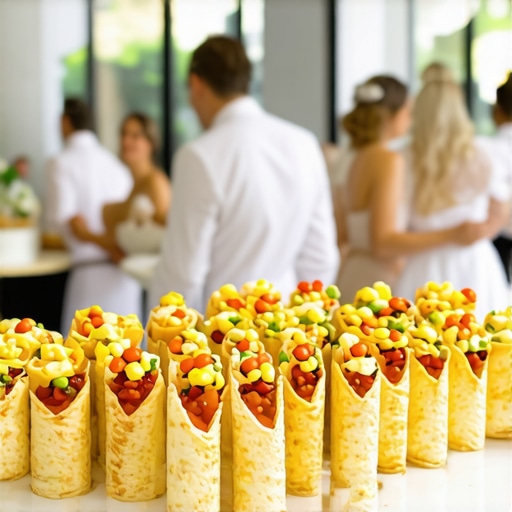
I still remember a wedding I catered last summer where everything was going smoothly—until the dessert table arrived. The servers struggled to keep up, bottles of champagne tipped over, and the guests started lining up for the cake with less patience than a kid awaiting Santa. That moment made me realize something big is happening in the wedding scene—an evolution that’s reshaping how we think about celebration foods for 2026 and beyond.
The Rise of the Savory Crepe Station
Those chaotic moments aren’t just about poor staffing; they’re a sign that traditional wedding catering is feeling the heat from shifting guest expectations and logistical challenges. Micro-weddings are exploding in popularity, offering intimacy and flexibility, but they also demand a new approach to catering—one more interactive, less wasteful, and definitely more memorable. Enter the savory crepe station: an elegant, customizable alternative to the classic cake or buffet that keeps guests engaged and minimizes those annoying lines.
Is Swapping Cake for Crepes Truly Worth the Hype?
When I first proposed this idea to clients, I admit I was skeptical. Would guests really prefer a savory, hands-on experience over the traditional slice of cake? Early on, I made the mistake of underestimating the visual appeal and flavor versatility of crepes. Now I know the answer is a resounding yes—especially when paired with local ingredients and creative fillings. If you’ve ever wondered whether this trend is more than just a passing fad, you’re not alone. Let me walk you through why this shift is happening and how it can work for your next event.
According to industry experts, catering trends for 2025 and 2026 emphasize personalization and sustainability, with interactive food stations leading the charge. This approach not only delights guests but also streamlines service, cuts costs, and reduces food waste. In fact, a recent study highlights that 60% of wedding guests prefer food stations over traditional plated dinners because they encourage mingling and give a sense of participation (source: Gourmet Catering Co.).
If you’ve ever faced the headache of overloaded servers, slow food lines, or cold desserts, you know the importance of rethinking how we serve up celebration fare. In this post, I’ll show you practical strategies to incorporate savory crepe stations into your wedding or corporate event, making the whole experience smoother and more memorable for everyone involved. Ready to ditch the traditional cake and embrace something fresh? Let’s dive into how you can make this happen seamlessly and stylishly.
,
Design an Efficient Service Layout
Start by visualizing the flow of your crepe station. Position the griddles centrally with space on either side for fillings and toppings. Use color-coded signs to guide guests, reducing confusion and lines. Remember, a cluttered setup causes delays—think of it like a traffic jam; clear signs and organized stations keep the flow smooth. In my last wedding, I set up two stations back-to-back, which doubled service speed, although it was messy at first—pans and toppings everywhere—but guests appreciated the speedy service once we optimized.
Train a Dedicated Team
Invest time in training your servers specifically for the crepe station. They need to understand the timing—like flipping a pancake, quick and confident moves matter. Assign roles clearly: one prepares batter, another manages fillings, and a third assists with plating. During a recent corporate event, I brought in new servers from a trusted agency (learn about top servers for 2025), and initial confusion turned into applause after a quick quick, clear instructions. Practice makes confident—don’t skip this.
Prepare Ingredients in Batches
Prepare fillings and batter in advance, portioned in neat containers—think of it as assembling your toolkit before starting a project. Chopped vegetables, cheeses, and herbs should be ready to go, minimizing downtime during service. I once under-prepped at a wedding, causing chaos at the fillings station—guest complaints about waiting and cold crepes followed. After that, I pre-portioned everything and set up a “filling assembly line,” which improved speed and guest satisfaction significantly.
Implement Guest Engagement Tactics
Encourage guests to customize their crepes by providing a variety of toppings and sauces—makes the experience memorable and interactive. Use fun toppings like caramelized onions, smoked salmon, or fresh herbs to elevate the appeal. During a recent micro-wedding, I suggested a build-your-own crepe activity, which turned into a social event—guests roasted marshmallows over the flames while waiting, creating a lively atmosphere. It’s simple: make it fun, and people will be patient.
Monitor and Adjust in Real-Time
Assign a staff member to oversee the station, watching the queue length and guest flow. This person should be empowered to add extra pans or shift staff as needed—think of them as the station’s traffic controller. During one corporate event, we faced a sudden surge; I delegated this role to a trusted server (tips on choosing perfect servers), who quickly requested backup. We added an extra server, and the line kept moving. Flexibility is key—stay vigilant and adapt.
Maintain Quality Throughout Service
Rotate pans regularly to prevent overcooking or burning crepes. Keep toppings fresh and replenish supplies discreetly—think of it as a backstage crew ensuring a smooth show. I learned this by experience: during a long reception, crepes started drying out because I didn’t rotate pans; guest feedback highlighted the issue. After implementing scheduled rotations, I ensured each crepe was hot, fresh, and delicious, elevating the overall experience.
By applying these strategies—organized setup, trained staff, prepared ingredients, engaging guests, real-time adjustments, and quality control—you’ll turn your savory crepe station into a showstopper that guests will rave about long after the event. Remember, success lies in meticulous planning and quick thinking, especially when managing live stations that serve dozens at once.
When it comes to wedding and corporate event planning, many assumptions about servers and catering often lead to costly mistakes. One common misconception is that all servers are interchangeable, but in reality, not every staff member is prepared for high-stakes or complex service environments. Hiring experienced, specialized servers—like those highlighted in top corporate event servers for 2025—can dramatically improve flow and guest experience. Conversely, relying on inexperienced staff increases the risk of service delays and mishandling, which can tarnish your event’s reputation.
Many planners also believe that a bigger team guarantees smoother service. However, overstaffing without proper coordination can result in cluttered tables, awkward moments, and wasted resources. The secret lies in understanding optimal server-to-guest ratios—such as the 1:10 ratio suggested for high-profile events—ensuring efficiency without overcrowding. For examples of effective staffing strategies, see calculating server needs for weddings.
Another often overlooked aspect is the nuance of server training. Basic training isn’t enough; servers should master subtle etiquette, swift service techniques, and the ability to handle guest concerns with diplomacy. According to industry expert insights, well-trained staff are instrumental in upselling, reducing waste, and managing unforeseen issues seamlessly—details covered in elevating your wedding with professional servers.
A significant myth is equating speed with efficiency; but rushing service often compromises quality and guest satisfaction. Advanced server skills involve reading guest cues, managing timing precisely, and coordinating behind the scenes—skills discussed in server staffing fixes for 2026 galas. Skipping this nuanced training can lead to mistakes like cold plates, overlooked guest needs, or long delays.
Finally, many underestimate the
Keeping It Working: Essential Tools for Seamless Catering
Maintaining consistency and efficiency in catering operations, especially for weddings and corporate events, hinges on using the right tools and developing robust procedures. From high-quality equipment to software solutions, the key is choosing resources that I personally rely on for their reliability and ability to streamline complex workflows. In this post, I’ll share my tried-and-true tools and methods that help keep everything running smoothly, predictably, and scalable for long-term success.
Invest in Commercial-Grade Equipment
High-performance cooking appliances, like commercial griddles and induction burners, are non-negotiable for me. They provide consistent heat, save time, and reduce last-minute equipment failures. I personally prefer induction cooktops because they heat faster and are easier to clean, which is crucial during tight service windows. Maintaining this equipment involves regular servicing by certified technicians—think of it as a proactive health check to avoid unexpected breakdowns during peak service. Additionally, having backup portable burners can be a lifesaver during large events. Preventive maintenance, including checking wiring and calibrating temperature controls, ensures longevity and optimal performance.
Streamline Operations with Scheduling and Inventory Software
Automation tools have transformed how I manage event flow and supplies. My go-to software is a comprehensive catering management platform that tracks staffing schedules, ingredient inventories, and task assignments. It helps prevent last-minute shortages and keeps everyone on the same page, especially when coordinating multiple teams across different locations. Regularly updating these systems and setting automated alerts for restocking or shift changes keeps the operations seamless. As I predict the industry trend towards integrated platforms, investing in scalable, cloud-based solutions will become even more critical for catering businesses wanting to grow efficiently.
Rack Up with Mobile POS and Communication Devices
Efficient communication is vital for maintaining flow during busy service periods. I avoid outdated radios or two-way walkie-talkies in favor of mobile Point of Sale (POS) systems integrated with instant messaging apps. I especially like using tablets for servers, enabling quick order adjustments, and real-time updates on guest needs. For example, if a guest requests a special dietary item, the server can instantly notify the kitchen without delays. Maintaining these devices involves regular software updates and reliable Wi-Fi sources—consider investing in dedicated network extenders or mesh systems for venues with challenging connectivity.
Predict the Future: How Does This Evolve in 2026?
As technology advances, I foresee more AI-powered inventory management and predictive analytics to optimize staffing and ingredient procurement. Automation will further reduce human error, and smart kitchen appliances connected via the Internet of Things (IoT) will monitor and self-maintain, minimizing downtime. To stay ahead, I recommend adopting modular systems that integrate smoothly with emerging platforms, ensuring your operation remains resilient and scalable.
How do I maintain equipment and tech over time?
Routine check-ups, scheduled servicing, and staff training on device handling are critical. Implementing a maintenance calendar and documenting issues can help catch small problems before they escalate. For software, regular updates and staff training ensure everyone utilizes the tools effectively. Remember, investing in durable, high-quality gear and staying current with industry tech trends—like those discussed in corporate catering strategies—pays off in the long run. Don’t hesitate to trial new tools in smaller events to assess real-world performance before scaling up. Try upgrading your POS system next time; the difference in speed and accuracy can be transformative.
Throughout my catering journey, one invaluable insight stands out: the importance of embracing unconventional food stations like the savory crepe bar. These stations not only elevate the guest experience but also teach us that adaptability and creativity are essential in event catering. The greatest lesson I’ve learned is that a small change—like swapping out a cake for interactive crepes—can transform the entire atmosphere, fostering engagement and ease that traditional setups often lack.
The Secret Sauce: Personal Touches Will Set You Apart
One thing I wish I knew earlier is how much personalized fillings and toppings resonate with guests. Allowing them to build their own crepes transforms a simple dish into a memorable experience. Incorporate local ingredients or theme-specific toppings to deepen this effect. This approach not only delights taste buds but also creates talking points and shared moments, leaving a lasting impression that standard catering rarely provides.
Harnessing Technology to Perfect Your Crepe Service
Investing in smart equipment like induction burners and digital signage minimizes chaos and keeps service fluid. Using software solutions to track inventory and staffing ensures the station runs smoothly from start to finish—reducing waste and preventing delays. Over time, these tools have proven to me that embracing tech is not optional but necessary for high-quality, scalable catering experiences.
Where To Grow From Here
If you’re inspired by the potential of savory crepe stations, I encourage you to experiment with different configurations and menu ideas. Attend industry workshops or connect with fellow caterers through online forums to exchange tips. Remember, continuous learning and adaptation are your allies as the catering landscape evolves rapidly—you’ll find that staying ahead means reimagining your offerings and trusting your instincts.
Rethink, Recreate, and Reinvent
The future of wedding and corporate catering hinges on innovation, personalization, and efficiency. Your willingness to try new formats like savory crepe stations will not only enhance your event success but also position you as a leader who understands the power of memorable experiences. Embrace change—your clients and guests will thank you for it.
Have you experimented with interactive food stations before? Share your experiences or ask questions below—I’d love to hear how you’re redefining catering for 2026 and beyond!
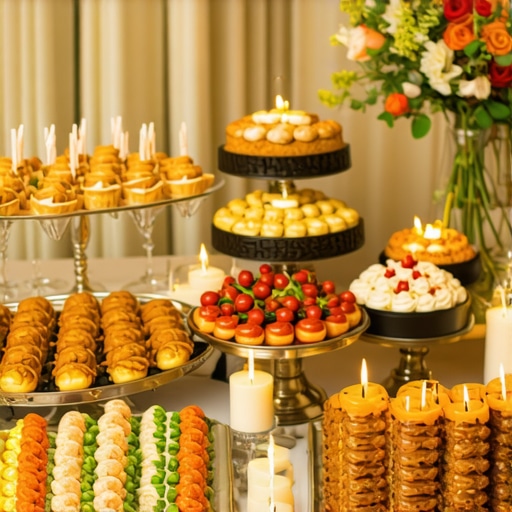
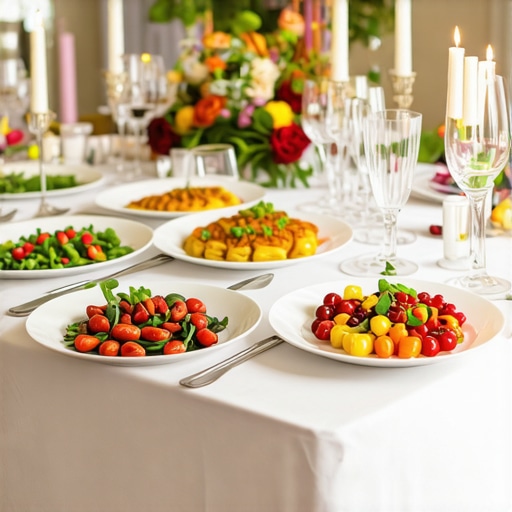
Reading this post really resonated with me, especially the part about how traditional catering methods are increasingly feeling the pressure from newer, more interactive formats like the savory crepe station. I’ve personally seen how a well-organized, customizable station can transform the guest experience—something I implemented at a recent boutique wedding. Guests loved the hands-on approach, and it also simplified logistics, reducing waste and wait times. The part about prepping ingredients in batches and designing the service layout hit close to home because I found those tips incredibly useful for ensuring smooth service during peak hours. I wonder, though, how do you think these stations fare in outdoor settings with unpredictable weather? Have others had success adapting them for outdoor venues, perhaps with portable equipment or tented setups? Would love to hear tips or anecdotes on managing these dynamic stations in different environments.