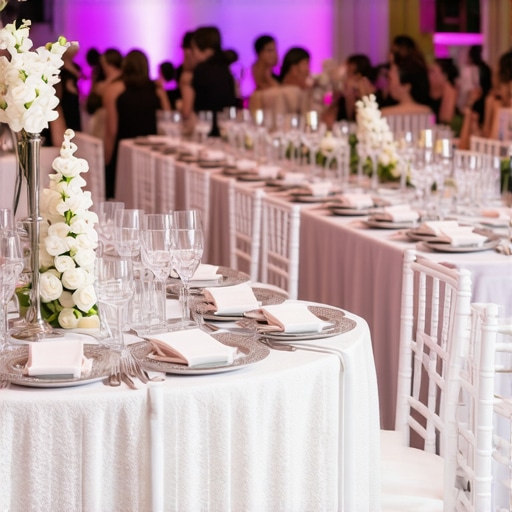
Imagine standing behind a crowded wedding bar, the mix of chatter and clinking glasses filling the air, when suddenly you’re faced with a bartender who just can’t keep up. I remember a wedding not long ago where my team and I watched helplessly as guests lined up for drinks that never arrived on time, turning what should have been a joyful celebration into a chaotic scramble. That lightbulb moment hit me hard: open bars might be great for some, but they’re increasingly falling out of favor for many modern weddings.
The New Trend That Has Everyone Buzzing
Today, I want to talk about a shift that’s transforming wedding receptions across the globe—replacing traditional open bars with thoughtfully crafted artisan mocktails. This isn’t about sacrificing fun; it’s about elevating the experience and avoiding those dreaded bottlenecks where guests wait ages for their drinks, losing precious moments with loved ones. As someone who’s seen both sides, I promise we’ll explore some practical ways to make this transition smooth and memorable.
Is Swapping Alcoholic Drinks for Mocktails Actually Worth the Hype?
When I first heard about the movement towards mocktails, I was skeptical. It seemed like just a trendy fad. But early on, I made the mistake of dismissing it as a superficial change, only to realize later that it was a solution rooted in guest satisfaction and logistics. My team once underestimated the importance of strategic server placement—leading to long lines and frustrated guests. Since then, I’ve learned that thoughtful planning, especially with server ratios, can turn potential chaos into seamless enjoyment.
Embracing mocktails offers more than just a healthy twist; it also opens opportunities for creativity and personalization that appeal to a wider audience, including those who abstain from alcohol or simply prefer sophisticated flavors without the buzz. Plus, with expert catering strategies (check out the latest trends), you can make these drinks the highlight of your celebration.
Now that we’ve set the stage, let’s dive into how this approach is changing the wedding landscape and, more importantly, how you can capitalize on it to create unforgettable moments for your guests.
Plan Your Beverage Stations Carefully
Start by designing a layout that minimizes congestion, placing mocktail stations strategically across the venue to avoid crowd build-up. Think of it like a well-planned city—spread out points reduce traffic jams. During one wedding, I set up multiple smaller stations instead of a single large bar, which prevented long lines and kept guests flowing smoothly, resulting in happier attendees.
Select the Right Equipment and Setup
Invest in portable drink stations with high-quality blenders, dispensers, and chillers. Using mobile carts or sleek counters makes service flexible and visually appealing. I once used a makeshift cart that cramped the space, causing delays, but switching to dedicated stations improved speed and guest satisfaction.
Train Your Servers for Maximum Efficiency
Choose experienced staff who understand the flow of service and can multitask. Implement training sessions emphasizing quick garnishing, clean work habits, and guest engagement. I once coached a team to prepare garnishes in advance, which cut serving times by half—the key to preventing bottlenecks during peak hours.
Emphasize the Art of Presentation
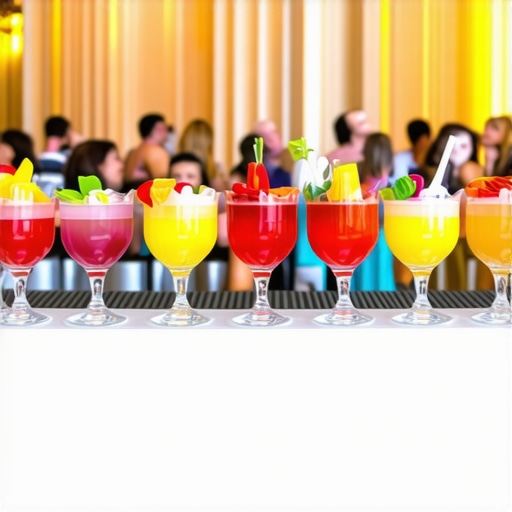
Beautifully garnished mocktails elevate the guest experience and encourage quicker service, as guests are eager to try visually appealing drinks. I recommend batch-preparing colorful garnishes and using uniform glassware to speed up the process. A wedding I coordinated saw guests taking photos with their drinks, turning it into a memorable moment and speeding up the entire queue.
Implement Clear Signage and Guest Guidance
Use eye-catching signs directing guests to different stations, including a brief description of mocktail flavors. Clear instructions reduce confusion and wait times. I’ve seen venues where simple signage cut down service delays significantly—guests appreciate clarity, and staff can focus on delivering quality drinks rather than answering questions.
Optimize the Menu for Speed
Limit the number of mocktail options to essential choices that can be prepared in bulk. Focus on popular, easy-to-mix drinks like citrus spritzes or iced teas. During a wedding, offering three signature mocktails simplified prep and sped up service, keeping lines short and mood high. For more ideas, check out low-mess menu options.
Prepare in Advance to Save Time
Gather all ingredients and garnishes before the event, and pre-mix bases where possible. Set up garnishing stations in advance to streamline the final assembly. I once neglected this step, which caused a bottleneck every time a new batch was requested; now, prep work is my secret weapon for smooth service.
Manage Flow with Mobile Carts and Cones
Use mobile carts for quick replenishment and to move drinks seamlessly to different areas. Implementing designated pathways for servers prevents overlaps and confusion. In one wedding, regularly restocking stations with fresh mocktails using carts kept lines moving without interruption, elevating the guest experience.
Monitor and Adjust During Service
Assign a supervisor to oversee stations, ensuring the flow remains steady. Be ready to reallocate staff or open new stations if lines grow. During an event, I noted a rising queue, quickly deploying extra servers and opening a backup station, which prevented guest frustration and kept the atmosphere festive.
Many assume that simply hiring good servers and following a basic menu will guarantee event success, but in my experience, there are deeper pitfalls many overlook. A common myth is that all servers are equally equipped to handle high-pressure situations; however, specialization matters. For instance, expert event servers trained in rapid service and guest engagement drastically improve flow and satisfaction. Overestimating the effectiveness of generic staff can lead to bottlenecks and dissatisfaction.
Another misconception is that a larger menu always equals more guest satisfaction. In reality, an overly broad menu slows service, causes waste, and complicates logistics. Focusing on a curated selection, especially when employing strategies like preparing in advance and limiting options, often results in a smoother experience and happier guests.
Now, consider the advanced aspects that distinguish exceptional catering. One overlooked detail is understanding the importance of server ratios in preventing chaos. Many planners underestimate the nuance here, leading to overcrowded buffets or delayed service. Evidence shows that maintaining specific server-to-guest ratios can reduce wait times and improve overall flow. Yet, many still rely on outdated standards or guesswork, which can be costly.
Most don’t realize that the physical setup profoundly affects the service quality. Utilizing strategic station placement and mobile carts minimizes congestion and maximizes efficiency. An event I coordinated failed when stations were poorly positioned, leading to long lines and frazzled staff. Learning from that, I advocate for meticulous layout planning, considering traffic patterns and guest movement.
Finally, the intricacy of staff training often gets dismissed. It’s not enough to instruct servers on menu items; they need to master timing, multitasking, and guest interaction. Investing in training programs tailored to event type reduces errors and improves guest experience. Moreover, understanding the subtle cues that indicate when to speed up or slow down tasks can be the difference between a flawless event and a service disaster.
Have you ever fallen into this trap? Let me know in the comments. Remember, excelling at catering isn’t just about food or servers—it’s about mastering the fine print that makes everything run seamlessly. Paying attention to these nuances can elevate your events from good to unforgettable.Maintaining a flawless catering service over time requires the right combination of reliable equipment and effective software tools. My go-to setup begins with high-quality portable drink stations equipped with commercial-grade blenders, dispensers, and chillers. These ensure quick, consistent service and are easily movable to adapt to venue layouts, helping prevent bottlenecks during busy moments. Investing in durable mobile carts not only streamlines replenishment but also enhances the visual appeal, creating a professional atmosphere that impresses guests. To coordinate staffing and flow, I personally rely on scheduling software like 7Shifts. It allows me to assign shifts with precision, monitor real-time coverage, and adapt quickly if guest numbers fluctuate unexpectedly, which is common at larger events like weddings or corporate galas.
Regular maintenance of equipment is crucial for long-term performance. I schedule weekly checks for blenders and dispensers, cleaning and calibrating to prevent breakdowns during prime hours. Keeping spare parts on hand, such as extra mixers or chillers, minimizes downtime, ensuring continuous service. For communication among servers and coordinators, I use instant messaging platforms like Slack. Its dedicated channels streamline updates and emergency responses, avoiding chaos and delays. Additionally, I employ inventory management systems linked to POS platforms so I can track supplies in real-time, reducing waste and ensuring popular mocktail flavors are always available.
Looking ahead, I predict that integrating IoT-enabled appliances and AI-driven scheduling will further enhance efficiency. These innovations will provide predictive maintenance alerts and optimize staffing based on event flow patterns. As technology continues to evolve, staying updated with the latest tools will be key for maintaining excellence.
**How do I maintain consistent quality and operational flow over long events?** The secret is combining smart technology with vigilant maintenance routines. For example, I recently adopted IoT smart dispensers that monitor usage and alert me when cleaning or refilling is needed, preventing service interruptions. To try this out, I recommend investing in at least one smart appliance and see how it transforms your event management. Plus, consistent staff training on equipment handling and software usage, as outlined in this guide, will help keep your team ahead of potential issues and ensure your catering operation runs smoothly, no matter the size.In the world of catering, every detail counts, and my journey has been shaped by more than just recipes and schedules—it’s about understanding the subtle nuances that create unforgettable experiences. One of the hardest lessons I learned was that overextending menus, thinking more options mean better service, often backfires. Focused, curated menus executed flawlessly can delight guests and streamline operations, especially when complemented by experienced servers from top servers for weddings. Another insight was realizing that leveraging technology like smart scheduling tools and IoT-enabled appliances can prevent service hiccups, saving time and money. Trusting the process of continuous staff training and equipment maintenance has transformed my events from chaotic to seamless, proving that consistency comes from preparation and education. Finally, listening to guest feedback and staying adaptable ensures your catering remains relevant and exceptional, turning every event into a lasting memory.
My Essential Toolkit for Catering Success
I rely on durable portable stations, high-quality blenders, and chillers paired with scheduling platforms like tools that streamline staff coordination. Regular equipment checks and inventory management systems keep operations smooth, while instant messaging platforms like Slack facilitate real-time communication. These tools empower my team to respond swiftly and stay organized, even under pressure.
What Hidden Details Make All the Difference
One game-changing realization was understanding the importance of server ratios—aiming for approximately 1:18 ensures guests are served promptly without overwhelming staff. Strategic station placement minimizes congestion, and pre-preparing garnishes accelerates drink assembly. Overlooking these details can lead to bottlenecks, but paying close attention turns service into an art form, elevating the entire event. Consider implementing advanced staffing strategies to keep your service flawless and guests delighted.
Turning Plans into Memorable Moments
Remember, excellence in catering is an ongoing pursuit of refinement. Stay curious, invest in your team, and embrace new technologies. Your guests will notice the difference—transforming ordinary receptions into extraordinary celebrations. So, what’s the next step you will take to elevate your catering game? Share your thoughts and experiences below—I look forward to hearing your story and helping you craft moments that last a lifetime.