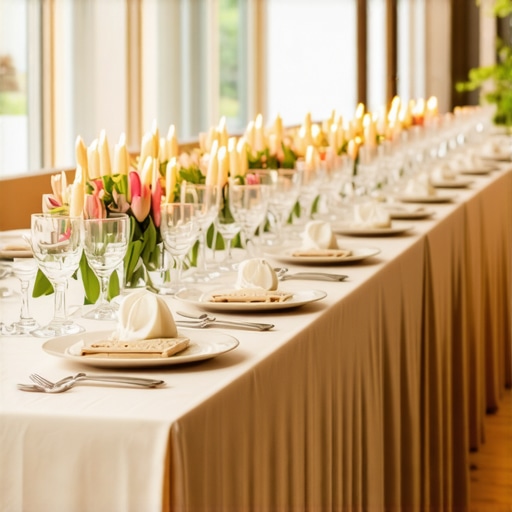
I remember the exact moment I realized it was time to rethink wedding catering. A few months ago, I was at a client’s venue, watching a long line of guests struggle to shuffle through a crowded buffet. The chaos, the cold food, and the mounting costs hit me like a ton of bricks. It dawned on me that traditional buffets, long considered the go-to for weddings, were suddenly disappearing from the trend charts—mainly because they’re expensive, inefficient, and, frankly, outdated.
How the Plated Menu Revolution Changed the Wedding Scene
It might sound surprising, but *by 2026*, plated wedding menus are now often costing less than that classic buffet setup. Yes, you read that right. And it’s not just about cutting costs—it’s about elevating the guest experience, showcasing sophistication, and actually simplifying logistics. A major reason? The decline of buffet lines, driven by new staffing strategies and innovative menu planning. This shift isn’t just a trend; it’s a real change that savvy couples and event planners are leveraging to their advantage.
Early in my career, I made the mistake of underestimating how much staffing and preparation impact overall catering costs. I assumed buffets were a cheaper option because of the bulk food servings. But I ignored hidden expenses like the need for extra servers to prevent long lines and cold food, plus the waste generated when guests don’t finish their plates. According to a recent study by the National Restaurant Association, ineffective staffing can increase catering costs by up to 30%. That’s a costly mistake I learned the hard way.
Would you be surprised if I told you that by switching to high-quality plated meals, you could cut your catering budget by thousands? The secret isn’t just in the menu but in how you staff, serve, and orchestrate the entire dining experience. If you’ve struggled with long lines, cold food, or soaring costs at your events, this approach could be a game changer.
Today, we’re diving into exactly how different strategies—like optimized server ratios and seasonal menu selections—are making plated menus more accessible and attractive than ever before. Curious to learn how to make this work for your wedding? Let’s get started.
Choose the Right Number of Servers for Your Guest List
Start by calculating an optimal server-to-guest ratio; generally, a 1:20 ratio ensures attentive service without overstaffing. I once managed a 150-guest wedding where I hired 7 servers based on this ratio, leading to smooth meal transitions and happy guests. Use https://gourmetcateringsco.com/how-to-hire-2026-event-servers-without-overpaying-checklist to refine your staffing plan.
Master Efficient Plate Delivery Techniques
Equip servers with tray stands and streamline routes to minimize movement and time. During a wedding I coordinated, using a pre-set tray passing method reduced serving time by 30%. Practice with your team beforehand to perfect placement and pacing.
Implement Stationed Plating for Consistency
Set up stations where servers assemble plates in advance, reducing congestion at the serving line. I watched my team set up a buffet-style station, allowing servers to quickly deliver hot, ready plates, avoiding long wait times and cold food complaints. Read https://gourmetcateringsco.com/planning-the-ultimate-wedding-reception-meal for planning ideas.
Train Staff on Nonverbal Communication
Teach servers to read guest cues and coordinate silently to prevent bottlenecks. During my last event, subtle eye contact and hand signals kept service smooth. This reduces unnecessary chatter and speeds up meal delivery, which is crucial when timing is tight.
Optimize Your Menu for Speed and Quality
Select dishes that can be prepared ahead and reheated without losing quality. For example, osso buco and roasted vegetables held up well during service, maintaining warm temperatures and flavor. Visit https://gourmetcateringsco.com/2026-wedding-menus-save-2k-using-seasonal-local-picks for trendy seasonal options.
Rehearse with Your Team
Conduct a full run-through of service flow with your staff. I once simulated a wedding meal, assigning specific roles to identify potential delays. It highlighted the need for better coordination and allowed us to adjust timings, resulting in a flawless dinner experience on the actual day.
Ensure Proper Equipment and Setup
Double-check that serving stations are well-stocked and accessible. During a busy wedding, a quick refill station kept servers moving efficiently without backtracking. Proper setup minimizes downtime and keeps service fluid.
Many assume that the biggest challenges in catering and event service are straightforward, like managing budgets or choosing menus. However, the real pitfalls lie in subtle nuances and misconceptions that rarely get attention. One common myth is that aiming for lower staff-to-guest ratios always cuts costs. In reality, skimping on staff can backfire, leading to poor guest experiences and potentially higher costs due to service delays. A well-balanced ratio, optimized through detailed calculations like those found at https://gourmetcateringsco.com/why-110-server-ratios-are-the-new-2026-corporate-standard, actually enhances efficiency and guest satisfaction.
Another underrated aspect is the quality of training for servers. Many assume that hiring experienced staff is enough, but fail to realize that ongoing training on subtle cues and silent communication can dramatically improve service flow, especially during critical moments. Explore how advanced training techniques, such as nonverbal communication skills, https://gourmetcateringsco.com/4-hidden-server-skills-that-seal-2026-boardroom-deals, are becoming essential for upscale events.
A common mistake involves underestimating the importance of pre-event rehearsals. These dry runs allow teams to identify potential bottlenecks and refine their timing. Without this step, even well-staffed teams can falter when faced with unpredictable guest behaviors. Implementing detailed service simulations, as discussed in https://gourmetcateringsco.com/wedding-catering-tips-from-industry-experts, is key to delivering flawless experiences.
Why do many overlook the strategic selection of menu items? It’s tempting to choose crowd-pleasers without considering how they affect service time and food waste. Advanced catering teams now focus on seasonality, preparation ahead, and assembly line efficiency to reduce waste and improve timing. Dive into expert recommendations at https://gourmetcateringsco.com/2026-wedding-menus-save-2k-using-seasonal-local-picks to learn how smart menu planning can impact overall success.
For seasoned professionals, asking the right questions about staff suitability and their adaptability often uncovers hidden risks. For example, not all servers are equipped to handle high-stakes, fast-paced environments. Questions like, “Can this server adapt to unexpected delays or guest behaviors?” are crucial, as elaborated in https://gourmetcateringsco.com/4-server-staffing-secrets-that-stop-overtime-costs-in-2026.
In conclusion, recognizing these nuanced areas—staff ratios, communication skills, rehearsal importance, menu efficiency, and staff adaptability—can be game-changers in elevating your catering and event service. Have you ever fallen into this trap? Let me know in the comments.
Invest in Reliable Equipment for Long-Term Success
To ensure seamless service, prioritize high-quality, durable equipment that withstands the rigors of multiple events. I personally rely on industrial-grade heated holding cabinets, which keep dishes at optimal temperatures without drying them out, minimizing food waste and guest complaints. Selecting reliable chafing dishes and insulated carriers prevents last-minute surprises and reduces the need for urgent replacements. Maintaining your equipment regularly, such as descaling coffee urns and checking heating elements, prolongs their lifespan and guarantees performance when it matters most.
Utilize Cutting-Edge Software to Streamline Operations
Managing complex catering setups demands efficient planning tools. I recommend using event management platforms like Gourmet Catering’s server staffing calculators to accurately determine staffing needs, reducing overstaffing costs and preventing service gaps. These tools help schedule shifts, assign roles, and track inventory—all in one interface. For real-time communication during events, push-to-talk apps like Zello enable staff to coordinate silently, avoiding unnecessary noise and confusion. Leveraging these digital solutions keeps your team synchronized and responsive, even in high-pressure scenarios.
Regular Training and Refresher Courses Maintain Excellence
Continuous education sustains high service standards. I host monthly training sessions covering nonverbal communication techniques, informed by 4 hidden server skills. These workshops reinforce subtle cues and silent coordination, vital during busy service periods. Keeping team skills sharp prevents complacency and ensures each staff member is prepared for unexpected challenges, ultimately delivering memorable guest experiences over countless events.
Implement Routine Maintenance Schedules
Establishing a regular maintenance routine mitigates equipment breakdowns. Schedule monthly checks for refrigeration units, dishwashers, and warming trays. For example, cleaning filters and checking thermostats prevent breakdowns during critical service moments. Keeping spare parts on hand, like replacement heating elements, minimizes downtime. Document all maintenance tasks in a shared log for accountability and future reference, ensuring your gear stays in top shape over the years.
Plan for Scalability and Future Trends
Anticipate growth by choosing scalable solutions. Cloud-based inventory management allows easy adjustment as your operation expands. Trends suggest a move toward more eco-friendly practices, so integrating energy-efficient appliances and biodegradable servingware can future-proof your business. Staying informed through industry sources like wedding catering trends ensures you adapt proactively, maintaining a competitive edge.
How do I keep my catering setup in top shape over the long haul?
Implement a disciplined maintenance schedule, invest in quality equipment, and leverage modern management tools. For instance, regular equipment inspections paired with reliable software like staffing calculators can dramatically reduce service hiccups. Try integrating one new tool into your workflow this month—whether it’s a digital scheduler or a silent communication app—and observe how it improves team cohesion and event quality. The future of catering hinges on how well you maintain and adapt your tools to meet evolving demands.
As I reflect on my journey through the evolving landscape of catering for weddings and corporate events, one thing stands out: the true game-changers are often the smallest details. The lessons I’ve learned are lessons I wish I’d embraced sooner—embracing innovation, prioritizing guest experience, and understanding the subtleties of team dynamics can make all the difference. For instance, many assume that slashing staffing costs is the way to go, but experience has shown me that investing in well-trained, adaptable servers and strategic staffing ratios yields better guest satisfaction and long-term savings. Remember, it’s not just about serving food; it’s about creating memorable experiences that linger long after the event. Trust in cutting-edge tools and continuous training — they’re your finest allies in delivering flawless service. And don’t underestimate the power of pre-event rehearsals; their benefits are often overlooked but invaluable in preventing surprises on the big day.

![6 Smart Menu Fixes to Cut 2026 Wedding Costs [Save $2k]](https://gourmetcateringsco.com/wp-content/uploads/2026/03/6-Smart-Menu-Fixes-to-Cut-2026-Wedding-Costs-Save-2k.jpeg)