

I will never forget the collective, slow-motion gasp that echoed through the ballroom of a gorgeous historic mansion in 2018. It was a high-end corporate gala, and the client had insisted on a pristine, snow-white carpet to match their winter wonderland theme. Ten minutes into the heavy cocktail hour, a server carrying a tray of rich, red-wine braised short ribs tripped on an uneven floorboard. It looked like an action movie explosion. Dark, greasy jus splattered across a fifteen-foot stretch of flawless white wool. That single moment taught me a brutal lesson about aesthetics versus reality. If you are planning an event where food is the main attraction, opting for this high-maintenance design choice is one of the most stressful mistakes you can make.
The Beautiful Trap of the White Carpet Dream
We all see those stunning, ultra-luxurious mood boards on Pinterest and Instagram. They feature flawless white aisles, crisp ivory lounges, and perfectly draped spaces. It looks incredibly sophisticated, and I understand why my clients fall in love with the concept. However, there is a massive difference between a staged photo shoot and a room packed with two hundred hungry guests. When you combine heavy catering, flowing drinks, and bustling crowds, that blank canvas quickly becomes a magnet for disaster. Even if you employ the most seasoned professionals, accidents are statistically guaranteed to happen when people are socializing and enjoying themselves.
Is pristine white flooring actually worth the constant anxiety?
In my early years as a coordinator, I thought we could simply out-plan the risks. I believed that if we hired the absolute best staff and used extremely careful service styles, we could protect the decor. I was wrong. A crowded room introduces too many unpredictable variables. According to hospitality safety data compiled by the National Floor Safety Institute, over three million food service workers suffer slip-and-fall injuries annually, highlighting how easily spills and accidents occur in high-traffic dining environments. If trained professionals struggle to maintain perfect footing in busy spaces, expecting your guests to navigate a white carpet with red wine and saucy appetizers in hand is asking for trouble.
Today, we will look at the real-world logistics of event flooring and explore how you can maintain a luxurious atmosphere without spending your entire evening staring at your guests’ feet with a bottle of carpet cleaner. Fortunately, you can still achieve an incredibly high-end aesthetic by making smart design choices. For example, learning how to design a signature drink that doesn’t stain white clothing is a brilliant starting point if you absolutely must have light fabrics in your venue. We also highly recommend focusing on other sensory elements to elevate the room, such as understanding the the impact of table linens on the acoustic quality of a room, which does wonders for creating an intimate, premium vibe without the flooring anxiety.
Have you ever watched a beautiful venue design get ruined by a single spilled plate or a glass of red wine? I would love to hear your horror stories or how you managed to save the day in the comments below!
Map Your Traffic Flow to Isolate the Danger Zones
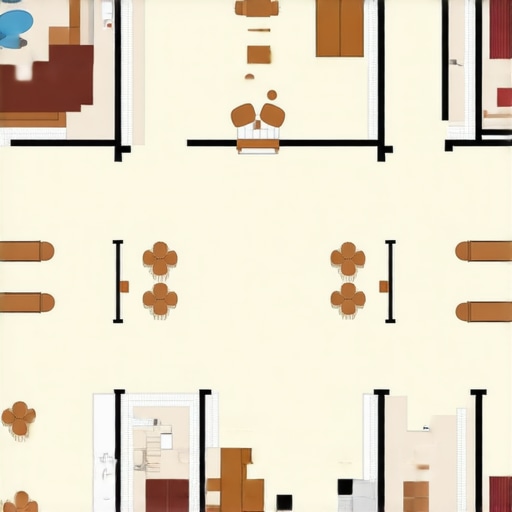
Designing a flawless event layout is like planning a tactical military maneuver; you must identify the high-risk choke points before the first guest arrives. Spills rarely happen in quiet, open lounge areas. Instead, they occur where guests are pivoting, balancing plates, or squeezing past one another. At a corporate gala in 2021, I watched in horror as a server carrying a tray of red wine collided with a guest who had suddenly backed away from a crowded bar queue. The resulting stain looked like a crime scene. To prevent this, you must keep high-traffic zones completely clear of delicate floor coverings. This is why understanding the logic of placing the bar away from the entrance is crucial. By separating the bar, the kitchen doors, and the main seating areas, you dilute the crowd density and drastically reduce the statistical likelihood of a catastrophic spill.
Create a Ten-Foot Buffer Around the Kitchen Doors
The most dangerous area in any event space is the ten-foot radius directly outside the kitchen doors. This is where servers are transitioning from the chaotic, fast-paced kitchen environment to the quiet refinement of the dining room. If you position guest tables or expensive white carpet near this zone, you are inviting disaster. To guarantee a smooth flow, implement strict layout rules that keep this service path wide open. I always recommend reviewing why you should never seat the CEO near the kitchen doors to protect both your VIPs and your overall design scheme from service mishaps.
Build Your Menu Around Flooring Safety
If your client is absolutely unyielding on having a light-colored carpet, you must take total control over the catering menu. You cannot serve red wine reductions, dark soy-glazed proteins, or liquid-heavy appetizers. Instead, collaborate with your culinary team to design a menu that features cohesive, lighter-colored sauces and dry, bite-sized components. I once managed an upscale wedding where the bride demanded white carpets and a heavy pasta station. We negotiated a compromise: we swapped the rich marinara for a white wine, garlic, and butter emulsion, and exchanged the dark berry dessert for a white chocolate mousse. The guests loved the menu, and the carpets survived completely unscathed. For corporate dinners where dietary restrictions complicate menu planning, you should implement the best way to handle dietary restrictions during a formal gala without sacrificing the safety of your venue design.
Enforce Mess-Free Serving Protocols
The way food is served is just as important as the ingredients themselves. For passing hors d’oeuvres during a cocktail hour, instruct the culinary team to avoid runnier sauces and unstable skewered items. If you are serving soup during a formal multi-course dinner, the standard service method of carrying filled bowls across the room is a massive liability. Instead, servers should carry pre-portioned dry ingredients in the bowls to the table, and then use a small, elegant pitcher to pour the hot broth directly in front of the seated guest. This technique is outlined in detail in the correct way to serve soup without making a mess, which protects the table linens and nearby flooring from splashes.
Hire Servers Trained in Elite Service Styles
You can have the most beautiful venue and the most carefully planned layout, but your event’s success ultimately relies on the physical execution of your service staff. Standard temporary event staff often lack the spatial awareness and balancing skills required to navigate tight, high-stakes environments. When you are working with premium, high-maintenance design elements, you need highly trained professionals who understand the subtle art of synchronized service. Taking the time to how to vet a servers experience with high-end french service before booking ensures that your service team has the precise motor skills and professional composure needed to prevent clumsy spills and costly accidents.
When planning high-end events, the industry often preaches that maximizing server-to-guest ratios guarantees a flawless experience. It is a classic luxury benchmark: throw more staff at the room, and service will automatically feel more premium. However, this is one of the most common myths in modern planning. Having worked in top-tier ballrooms and private venues, I can tell you that overcrowding the floor with uncoordinated personnel actually creates a chaotic, noisy dining environment. True luxury is about precision, not pure volume.
Why is over-staffing your event floor a hidden disaster for guest comfort?
An over-abundance of servers creates what I call ‘the human bottleneck.’ When you have too many bodies walking the floor without clear delegation, staff end up stepping on each other’s heels and interrupting guest conversations. Research from the Cornell University School of Hotel Administration emphasizes that guest satisfaction in fine dining hinges on subtle attentiveness rather than constant physical presence. Instead of simply increasing numbers, the industry’s best planners know that utilizing specific, highly disciplined coordination techniques is what truly elevates the experience. To achieve this level of operational efficiency, I highly recommend looking into the hidden benefit of hiring a lead server for every ten guests. This structured management hierarchy ensures that every staff member knows exactly when to move, clear, and pour without creating visual or physical clutter.
This operational precision is especially critical when handling complex, structured meals. For instance, executing a multi-course menu requires perfect synchronization to prevent plates from getting cold. Planners often panic about the timeline and rush the staff, which leads to dropped trays and messy tables. To avoid this trap, you should understand how to staff a multi-course dinner with less than 10-minutes between plates. It is not about making servers run faster; it is about choreographing their movements like a theatrical performance.
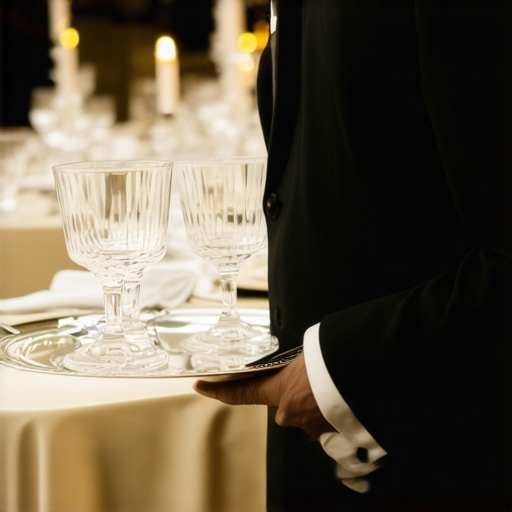
Another nuance that most corporate and wedding hosts overlook is the subtle impact of staff training on the overall atmosphere of the room. A server who has not been trained to move quietly can inadvertently ruin the carefully designed acoustics of your space. If you want your dinner to feel exclusive and intimate, you must prioritize advanced service styles. Taking the time to discover how to spot a server who has not been trained in french service will save you from hiring well-meaning amateurs who clank silverware, clear plates from the wrong side, or disrupt the natural flow of your celebration.
Have you ever fallen into this trap of over-staffing or prioritizing quantity over quality, only to watch your event space turn into a chaotic rush? Let me know in the comments below!
The Maintenance Toolkit Every Elite Event Planner Needs in Their Kit
Over the years, I have learned that even the most meticulously designed floor plans and highly trained teams cannot stop physics. If you are going to use high-risk design elements like light carpet or delicate custom vinyl, you have to pack a dedicated emergency restoration kit. I never step foot into a ballroom without my personalized ‘disaster bucket.’ While most coordinators rely on standard hotel housekeeping to handle issues, their industrial vacuums are often too slow to deploy during a live, fast-paced dinner service. My personal go-to is a compact, battery-powered spot cleaner paired with professional-grade upholstery neutralizers that chemically break down organic proteins before they bond with fabrics. If you want to keep your sanity intact, you must also master how to quietly clear table decor before the dancing starts to eliminate clutter and prevent accidental spills during the late-night transitions.
How do I maintain pristine event surfaces during live dinner service?
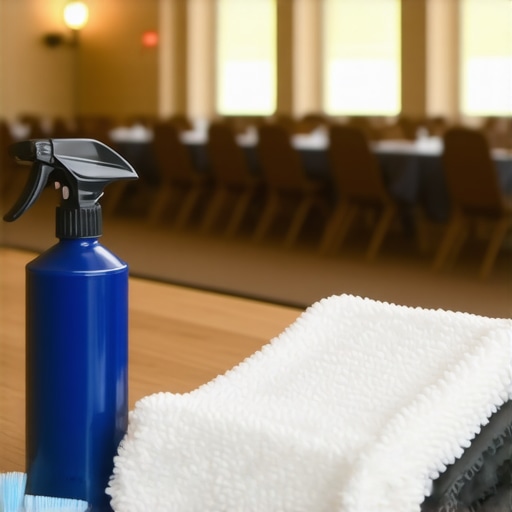
To keep high-maintenance surfaces looking flawless from the first toast to the last dance, you must establish an active spot-cleaning protocol. When a spill happens, the worst thing you can do is make a public spectacle of cleaning it up. I train my lead servers to execute a quiet, coordinated response. One server creates a gentle, polite barrier to block guest traffic, while another uses pre-treated microfiber cloths to blot—never scrub—the area. Scrubbing forces the liquid deeper into the fibers. For large-scale corporate events where the scale of operations is massive, you need to rely on structured planning guidelines. Utilizing an essential checklist for successful corporate event catering allows you to pre-schedule maintenance checks during key program transitions, such as when guests stand up for a toast or move toward the dance floor.
Looking ahead, the future of high-end event design is shifting toward smart, preventative materials. I predict that we will see the widespread adoption of liquid-repellent, nanotech-coated fibers in custom event carpeting within the next few years. Until then, success relies on your equipment and your team’s operational discipline. For those managing complex logistics, the ultimate test of coordination is balancing multi-course meals with tight timelines. To see how this is done seamlessly on a larger scale, discover the secrets behind the logistics of running a 3-course dinner for 800 people. I highly recommend taking one action step from this guide today: sit down with your culinary team and adjust your next menu to eliminate dark, runny sauces from your passed appetizers. Your event floor—and your client’s budget—will thank you.
The Hardest Lessons I Learned Managing High-Stakes Ballroom Flooring
If my fifteen years in the luxury event industry have taught me anything, it is that hope is not a logistics strategy. You cannot simply hope that a guest won’t drop a glass of Pinot Noir on your pristine white carpet; you must actively engineer the environment so that a spill is physically difficult to achieve. The biggest mistake planners make is viewing decor and catering as two separate entities. In reality, they are deeply interconnected. When you design a layout, you are directly influencing human movement, server efficiency, and structural safety.
My team and I have developed a few absolute rules that have saved dozens of high-budget productions from ruin. First, never let a server walk backward in a high-traffic area. Second, light flooring requires double the standard aisle width to give guests a wider margin of safety when passing by. Lastly, always keep a designated ‘rapid-response’ cleaning tech stationed out of sight but close to the action. These small, proactive adjustments make the difference between a flawless evening and a highly stressed cleanup crew.
My Essential Toolkit for Demanding Event Environments
To keep your operations running flawlessly, you should rely on these proven strategies and tools that have rescued my own productions from chaos:
- Nanotech Fabric Protectants: Always pre-treat custom fabric installations with temporary hydrophobic sprays to buy your team valuable seconds when a liquid spill occurs.
- Proactive Space Planning: Protect your traffic patterns by setting up your room with the proper spacing. Implementing wider aisles for mobility access naturally prevents tight bottlenecks where accidents happen.
- Comprehensive Event Outlines: I never walk into a venue without a detailed, step-by-step master document. Utilizing a robust checklist for successful corporate event catering ensures that your service times, staff placements, and maintenance sweeps are fully aligned.
- Specialized Hospitality Personnel: Do not rely on standard gig-economy staff. Instead, take the time to learn how to choose the perfect servers for your wedding or gala to ensure every plate is handled with elite, professional care.
Step Into Your Next Production with Absolute Confidence
Designing a high-end celebration does not mean you have to compromise your peace of mind or live in constant fear of a ruined design. By aligning your culinary offerings with your room design and deploying highly trained staff, you can easily execute a visually stunning and physically safe experience. Focus on creating seamless movement patterns, invest in experienced professionals, and let your production flow naturally. The correct preparation transforms potential design disasters into memorable milestones, leaving your guests to enjoy an immersive, stress-free atmosphere. Now, I want to hear from you. Have you ever struggled with a major catering spill or a chaotic floor layout during an event? Let me know in the comments below!