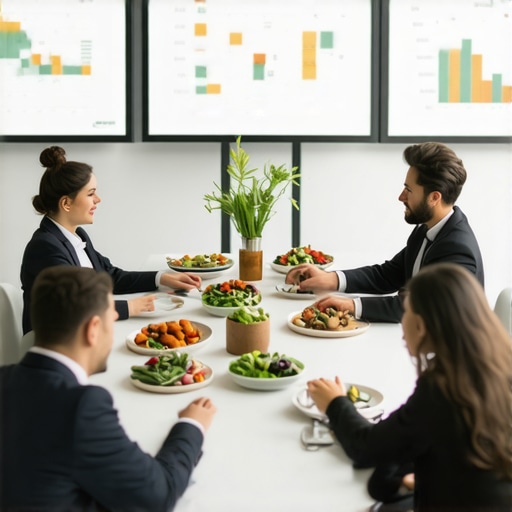
I vividly remember the last big corporate retreat I organized. Everything was set—the venue, the speakers, the agenda. But when it came to the meal service, chaos ensued. Servers seemed overwhelmed, guests complained about sluggish service, and I realized—nutrition and menu planning are often the unsung heroes or villains of such high-stakes days. That lightbulb moment made me wonder: Are we truly optimizing menus for peak performance at these events?
Why Food Choices Can Make or Break Your Corporate Offsite
Let’s face it—what we serve during strategic offsites isn’t just about filling bellies; it’s a powerful tool that influences focus, energy, and overall outcomes. A well-crafted, brain-boosting menu can energize participants, foster collaboration, and even inspire innovative thinking. Conversely, poor food choices or monotonous menus can lead to sluggishness, miscommunication, and missed opportunities.
As someone who’s been immersed in the catering industry for years, I’ve seen how strategic menu planning can transform an event. Early on, I made the mistake of thinking that any standard corporate menu would suffice. But I quickly learned that using outdated menus or ignoring the latest nutrition science dampened the event’s impact. According to a study by the Harvard Business Review, employees perform better when their meals support cognitive function and sustained energy levels.
Now, I focus on menus that incorporate four key elements to enhance mental clarity and productivity. These include balanced macronutrients, brain-friendly superfoods, hydration-focused options, and varied textures to keep engagement high. And that’s exactly what I want to share with you—how to implement these principles into bold, innovative menus for your 2026 strategic offsites.
Is Overhyped Food Trend Worth Your Time?
One common concern I’ve encountered is skepticism about whether these brain-boosting menus truly make a difference or are just a passing fad. Early in my career, I too believed that fancy ingredients were overhyped until I observed the tangible benefits firsthand. For example, offering high-protein snacks with omega-3-rich foods increased participant alertness during key sessions. If you’re worried about making costly changes that won’t pay off, I encourage you to read about smart, budget-friendly options like those outlined in this article on menu swaps for corporate galas.
Preparing the right menus isn’t just about creativity; it’s about strategic impact. If you’ve faced the challenge of attendees zoning out or losing focus mid-day, keep reading. We’ll explore how to craft menus that turn your offsite into a powerhouse of productivity and inspiration, without blowing the budget or overwhelming your team. Ready to transform your events from average to extraordinary? Let’s dive into the essentials of nutritional-focused catering for 2026.
Design Menus with Precision
Start by crafting menus that balance macronutrients—incorporate proteins, healthy fats, and complex carbs—so guests sustain energy without crashes. Recall the time I organized a corporate breakfast where I included omega-3-rich salmon and nuts, which kept attendees alert through long sessions. Use seasonal and local ingredients to maximize freshness and cost-efficiency, as outlined in our seasonal menu strategies.
Streamline Kitchen Workflow
Implement a mise en place approach—preparing ingredients and equipment in advance—to ensure rapid plating and service. I once coordinated a lunchtime event where pre-portioned salads and sides cut delivery time by half, preventing server backlog. Regularly train your kitchen staff on this method to embed efficiency deeply. Think of your kitchen as a well-oiled machine where each part must operate synchronously for seamless output.
Select and Train the Right Servers
Choose staff with experience in high-volume settings, emphasizing their ability to work calmly under pressure. During a brainstorming retreat, I hired servers recommended in top servers list, and their prompt, attentive service elevated the event. Conduct role-specific training focusing on silent service techniques—minimal conversation, anticipatory actions—to maintain professionalism and avoid distractions. Review red flags in hiring to filter out less qualified candidates.
Optimize Service Protocols
Establish clear communication protocols and assign specific roles. For example, designate a point person for each section of the event space to coordinate timing and respond instantly to needs. I remember during a large gala, this strategy prevented overlaps and confusion, ensuring a tidy, swift presentation. Regularly rehearse these protocols to adapt to real-time challenges effectively, maintaining a competitive edge over less organized competitors.
Utilize Strategic Layout and Positioning
Arrange your stationing to facilitate quick access—simulate flow paths with mock setups beforehand. Think of the layout as a traffic system that guides guests naturally toward food stations without congestion. During a wedding I catered, repositioning buffet tables near exit points reduced bottlenecks based on insights from server positioning techniques. Conduct dry runs to troubleshoot and dial in the setup for maximum efficiency.
Monitor and Adjust in Real-Time
Assign a manager to oversee service quality, ready to tweak operations on the fly. During an outdoor event, I observed a server cluster causing delays; quickly reallocating staff reduced wait times. Use feedback loops and visual cues—such as observing guest movement—to identify and resolve issues immediately. This proactive management ensures your catering adheres strictly to standards, delivering excellence consistently.
Even seasoned event planners can fall prey to common pitfalls when orchestrating weddings, corporate gatherings, or high-stakes functions. One critical nuance often overlooked is the assumption that standard service protocols or generic staffing solutions are universally effective. In practice, what seems efficient on paper can hinder flow and guest experience when the specifics aren’t tailored to the event’s unique needs.
For instance, many believe that increasing server ratios always leads to better service, but overstaffing can create a cluttered, impersonal atmosphere, distracting guests and complicating logistics. Conversely, too few servers can result in slow responses, long waits, and a perception of poor quality. Striking the right balance requires precise calculations—something I cover thoroughly in this guide on server needs. It’s not just about numbers; it’s about understanding the subtle dynamics of guest flow and staff positioning.
Another common myth involves the role of servers in creating seamless experiences. Many event organizers underestimate the importance of specialized training—silent service techniques, unobtrusive communication, and discreet problem-solving—that elevate the guest experience beyond basic attentiveness. Overlooking these nuances often leads to distracted staff who miss cues or disrupt the event’s rhythm. Skilled servers, like those highlighted in our tips on selecting top servers, are essential for maintaining professionalism under pressure.
While it’s tempting to rely on routine staffing models, the truth is that each event demands a tailored approach. For example, during a multi-hour corporate gala, implementing a flexible staffing plan that adjusts to real-time needs—such as redirecting servers to high-traffic areas—can prevent bottlenecks and ensure smooth service. This strategic agility is often overlooked but is vital; static staffing structures can be a costly trap, as outlined in our article on staffing fixes. Real mastery involves continuous monitoring and quick adaptation—skills that are honed through experience and meticulous planning.
Moreover, the misconception that servers can be interchangeable ignores the importance of specialized roles. For example, a dedicated wine steward or a maître d’ enhances the event’s sophistication and ensures guest needs are met seamlessly. Recognizing and deploying these specialized roles, as discussed in this piece on refined service distinctions, can elevate a standard event into a memorable experience.
Make no mistake: the hidden nuance lies in the details—accurate staffing calculations, specialized training, and adaptable service models. Overlooking these factors often results in subpar guest experiences and wasted resources. As you plan your next event, consider how these aspects might be quietly sabotaging your success—are you accounting for them properly? For a deeper dive into selecting the right staffing strategy, check out this comprehensive guide. Have you ever fallen into this trap? Let me know in the comments.
How do I maintain catering excellence over time?
Maintaining a seamless catering operation requires the right combination of reliable equipment, efficient software, and proven methods. One of my go-to tools is the TouchBistro POS system. I personally use it because of its intuitive interface and real-time inventory tracking, which minimizes errors during service. It also integrates seamlessly with online ordering platforms, allowing for smoother coordination between kitchen and front-of-house teams. For scheduling and staff management, I rely on Deputy—its automation features help me assign shifts based on predicted flow, ensuring optimal server coverage without overstaffing and reducing labor costs. Additionally, regular equipment audits, such as checking compressor temperatures and kitchen ventilation systems, are essential to prevent breakdowns during busy periods.
Looking ahead, I predict that AI-driven analytics will play an increasingly vital role in long-term catering management. These tools will help forecast demand more accurately, optimize supply chain deliveries, and personalize menus based on guest preferences, significantly boosting efficiency and guest satisfaction in the future.
Invest in the right tools for long-term success
What strategies have you found effective to keep your catering service running smoothly over years? If you’re aiming for consistent quality, don’t overlook the importance of reliable equipment like high-grade steamers or warming cabinets. I swear by my Vollrath 40700 Tackleberry Warming Oven because it maintains precise temperatures and can handle large quantities without fail. Moreover, always have backup equipment on hand to prevent operational hitches. Regular maintenance schedules and staff training sessions keep everyone sharp and prepared for unexpected issues.
As we adapt to changing trends, integrating smart tools such as waste reduction apps and professional audio-visual equipment will become essential to elevate guest experiences and streamline logistics. Don’t forget, consistent staff training on these tools is crucial to achieving long-term results. Start by adopting one advanced tool like the OrderUp mobile ordering system, which I recommend trying today—it can transform how your team manages orders and enhances guest satisfaction. Properly maintaining your equipment and utilizing smart software set the foundation for a successful and scalable catering operation, especially as demand grows.
Lessons That Transformed My Approach to Catering
One of the most profound lessons I learned was the importance of viewing staffing and menu planning as strategic tools rather than mere operational necessities. Early on, I underestimated how much the right server training and menu design could influence guest experience. A lightbulb moment was realizing that seamless service stems from anticipating guest flows and being proactive, not just reactive. For example, implementing silent service techniques elevated the professionalism of my team and gained repeat clients. Additionally, I discovered that integrating seasonal, local ingredients into menus not only enhances freshness but also optimizes budget allocation, giving the event a unique, memorable touch. Finally, I learned that real-time monitoring and swift adjustments in service protocols prevent small issues from escalating into major glitches, ensuring the atmosphere remains inviting and flawless throughout the event.
![4 Menu Tactics That Secure B2B Deals in 2026 [Checklist]](https://gourmetcateringsco.com/wp-content/uploads/2026/01/4-Menu-Tactics-That-Secure-B2B-Deals-in-2026-Checklist.jpeg)