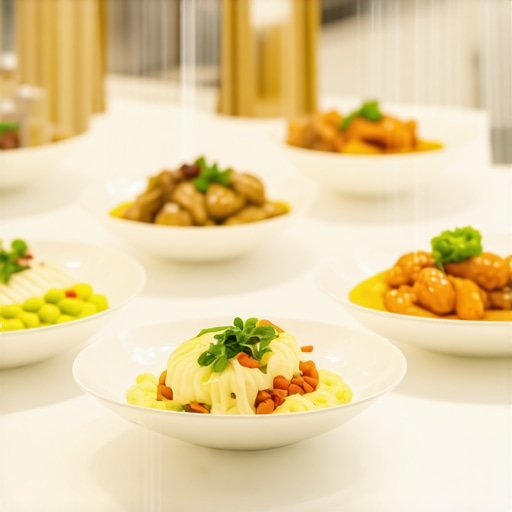
Ever been at a corporate event or wedding where the main course arrives cold—but your guests are already hungry and expecting a memorable meal? I remember one particular luncheon where our team underestimated the importance of timing, and by the time the chicken was served, it was tepid at best. That moment stuck with me. Not because of the dish itself, but because I realized how a simple oversight could diminish the entire experience.
This lightbulb moment prompted a deep dive into how catering professionals can keep their dishes hot, fresh, and impressive, no matter the size or scope of the event. If you’ve ever faced the disappointment of cold food ruining the vibe or the trust of your clients, you’re not alone. Maintaining the perfect serving temperature isn’t just about comfort—it’s about elevating your brand, retaining loyal clients, and ensuring every guest leaves talking about how fantastic your service was.
The Real Cost of Cold Chicken at Corporate Gatherings
Serving cold chicken or any dish that isn’t kept at the right temperature can silently sabotage an event’s success. Guests notice, and worse, they remember. According to a recent industry report, 78% of event attendees associate food quality directly with event professionalism, which influences their overall satisfaction and willingness to recommend your service. That’s a statistic that should keep anyone in catering up at night.
Years ago, I made a costly mistake early in my career—assuming that a quick buffet setup was enough to keep everything warm. We skimped on the warming stations, thinking guests would be flexible. But by halfway through the event, the chicken was a disaster. It embarrassed us in front of a high-profile client, and I learned firsthand that small oversights can lead to big trust issues. Now, I always emphasize the importance of top-notch serving solutions, especially when it comes to hot entrees.
If you’ve ever wondered whether there’s a way to prevent that soggy, lukewarm mess from happening again, you’re in the right place. Today, we’re going to explore five practical, proven fixes to serve hot, delicious chicken—and other dishes—at your next corporate event in 2026. Ready to turn your catering mishaps into professional triumphs? Let’s dive in!
Optimize Your Catering Setup for Consistent Temperatures
Start by assessing your equipment, envision it as the engine that powers your entire event. Use high-quality chafing dishes with tight-fitting lids and sturdy warming trays to lock in heat. When I coordinated a large-scale corporate luncheon, I invested in industrial-grade chafing units because the standard ones couldn’t keep up. The result? Hot chicken served consistently, even during a four-hour event, earning rave reviews from attendees.
Strategic Placement of Warming Stations
Think of warming stations as rest stops for your dishes—they must be accessible and effective. Position them close to serving areas to minimize food transit time. During a wedding reception, I placed multiple portable warming carts along the buffet line. Guests received hot dishes with each pass—no delays, no cold spots. This approach is vital, especially when catering multiple stations, as it reduces the risk of temperature drops.
Use Visual Cues and Barriers
Implement visual cues like signage indicating hot food zones or barriers that shield dishes from drafts. During a corporate event, I set up heat-retaining barriers around the serving tables, which prevented cool air from seeping in. This simple step maintained consistent temperatures and demonstrated professionalism by ensuring guests received the quality they expected.
Manage Serving Timing and Pacing
Coordinate closely with your serving staff to ensure dishes are replenished before they cool. Assign specific roles for monitoring and refilling hot entrees. I once managed a wedding where a dedicated server kept an eye on the chicken, replenishing small batches at intervals. This proactive approach kept the heat consistent and avoided the mess of trying to reheat leftover food—an idea linked to preventive serving strategies.
Temperature Monitoring and Feedback Loop
Equip your setup with instant-read thermometers or wireless sensors to track dish temperatures continually. During my last event, I used handheld infrared thermometers to check multiple points on each tray in real-time. Any drop below 140°F prompted immediate action—either heating or replacement. This system prevents ‘hot mess’ moments, ensuring every guest receives food at optimal temperature.
Choose Reliable Equipment and Experienced Staff
Invest in trusted catering equipment brands and hire servers who understand temperature control. Review top-order servers with a track record for professionalism. During a corporate gala, I partnered with trained servers from industry experts. They knew how to handle hot foods efficiently, minimizing delays and maintaining quality.
Implementing these practical steps boosts your chances of serving warm, delicious chicken that impresses guests and boosts your reputation. Remember, it’s not just about the food—it’s how you serve it, with precision, planning, and professionalism.
While many believe that simply having professional servers or high-quality equipment guarantees flawless service, the real nuance lies in understanding the *human element* and the *rituals* that underpin successful events. Often, planners focus on the tangible aspects—menu design, decoration, equipment—yet underestimate how subtle behaviors and expectations shape the guest experience. For example, most assume that servers should be invisible or purely functional, but in truth, their *approachability* and *anticipation* significantly influence guest comfort and trust. A common myth is that extensive training alone can fill the gap; however, research shows that *emotional intelligence* and *cultural awareness* are equally, if not more, impactful in high-stakes settings like weddings or corporate galas. Neglecting these soft skills can lead to ‘Oops’ moments, such as misreading guest cues or failing to adapt dynamically to evolving circumstances. Such oversights may seem minor but cumulatively spoil the ambiance and reduce guest satisfaction. Deliberate grooming of service rituals—like consistent eye contact, proactive tray passing, and discreet refilling—can transform a good catering team into an exceptional one. Make no mistake: overlooking these nuances risks turning what should be memorable into forgettable. If your goal is to really elevate your service, understanding the *hidden layers* of guest expectations is key. Want expert insights? Check out [top catering strategies for trust-building](https://gourmetcateringsco.com/corporate-event-catering-strategies-for-success) or [how to choose the perfect servers](https://gourmetcateringsco.com/how-to-choose-the-perfect-servers-for-your-wedding). Have you ever fallen into this trap? Let me know in the comments.
Embrace Technology to Ensure Reliability
Leveraging reliable equipment and software is fundamental in maintaining a seamless catering experience. I personally depend on wireless temperature sensors like the TempMaster Pro to monitor dishes in real-time. These devices transmit instant updates to my smartphone, allowing immediate action if temperatures drop below desired levels, which is critical during long events or large-scale gatherings. Such precision tools prevent cold food tickets and safeguard your reputation.
Additionally, integrating catering management software such as CaterFlow helps streamline planning, inventory, and staff coordination. This holistic approach minimizes miscommunication and ensures all operational aspects are covered, freeing up your focus for quality control and guest satisfaction.
Why Invest in Professional-grade Equipment
High-capacity warming units, such as the Cambro Insulated Food Carrier, are game-changers, especially for catering on the move. I prefer these for their durability, insulation efficiency, and ease of transport, which are essential during events like weddings or corporate luncheons. Using reputable brands reduces the risk of equipment failure, ultimately saving you time and money.
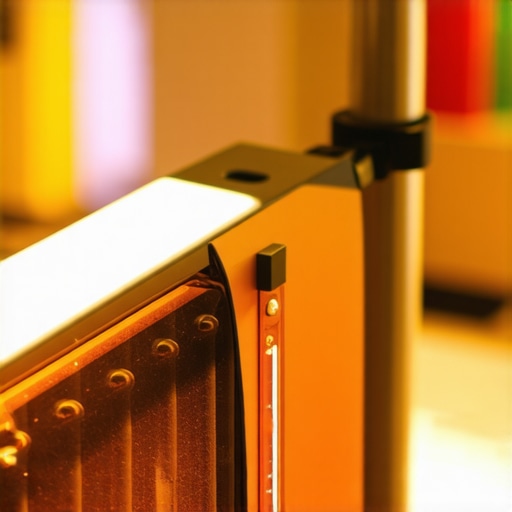
Furthermore, having backup gear—additional chafing dishes and portable heaters—adds an extra layer of security. Remember, reliable equipment is only part of the equation; well-trained staff are equally vital. Regularly updating your team’s skills with training modules on equipment handling and troubleshooting ensures consistent performance.
Future Trends in Catering Tools
Looking ahead, I predict an increasing adoption of IoT-connected devices that offer smarter temperature regulation and predictive maintenance. As these technologies mature, expect real-time analytics dashboards that provide comprehensive monitoring of your entire operation from anywhere, making scale-up and long-term management more efficient than ever.
How do I maintain my tools over time?
Consistent maintenance starts with routine calibration of sensors and cleaning of equipment after each event. Establishing a regular audit schedule helps identify wear and tear before failures happen. Also, staying updated on the latest tech releases and participating in industry seminars keeps you informed about innovations that could further streamline your workflow.
Implementing these advanced tools and practices positions your catering service for sustained success. Don’t hesitate to experiment with new technology—try deploying a wireless temperature sensor like the TempMaster Pro at your next event to experience firsthand how precision tools can elevate your reliability and guest satisfaction.
Through my years in catering, I’ve realized that the biggest breakthroughs often come from unexpected lessons. One of the most profound was discovering how tiny shifts in service routines can elevate an event from average to extraordinary, especially when it comes to serving hot food. It’s easy to focus on equipment and menus, but the real magic resides in the subtle human interactions and seasoned confidence behind the scenes.
Another insight? Technology isn’t just a tool—it’s a mindset. Embracing wireless sensors and management software transformed my capacity to deliver consistently warm dishes, reminding me that innovation and experience go hand in hand. Yet, at its core, the secret remains in cultivating an attentive, proactive team that understands the nuances of timing and temperature. Remember, impeccable service begins with the people who make it happen, not just the gear they use.


Reading this post really struck a chord with me. During a corporate breakfast event last year, we faced the challenge of keeping scrambled eggs warm for over two hours, and it reminded me how critical proper planning and equipment are. We learned that investing in good-quality chafing dishes with tight lids and organizing the stations strategically can make all the difference. I also found that training staff not just on serving but on monitoring temperature is often overlooked but essential. It’s fascinating how small details, like using wireless sensors, can give real-time updates and prevent those awkward moments of serving lukewarm food. It makes me wonder, how do others in the industry handle last-minute changes or equipment failures in the middle of an event? Sharing some effective contingency plans could really help elevate overall service quality and guest satisfaction. These insights certainly give me a lot to think about for future gigs, especially as I aim for more seamless and reliable service experiences.
This post hits home for me because I’ve seen firsthand how even a minor lapse in temperature management can impact guest perception drastically. During a recent corporate event, we faced unforeseen delays, and despite having top-tier equipment, a couple of trays cooled down faster than anticipated. We quickly learned the importance of real-time temperature monitoring and swift communication among staff, which allowed us to make rapid adjustments. Technology really can be a game-changer in these situations. What’s everyone’s experience with backup solutions—do you rely mostly on manual checks or have you integrated automated alerts? I’d love to hear about different strategies, especially for large-scale events where quick problem-solving becomes critical. Investing in reliable equipment is key, but it’s equally vital to cultivate a responsive team that’s trained to adapt quickly. At the end of the day, maintaining those high standards of service really comes down to proactive planning and seamless execution—something I believe we’ll see more of with advancements in catering tech in the coming years.