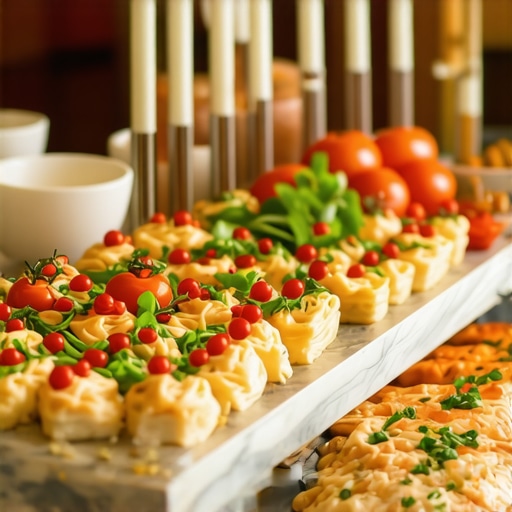
I’ll never forget the sinking feeling when I realized my wedding catering costs were spiraling out of control, and I hadn’t even accounted for hidden charges lurking under the surface. Frustration bubbled up as I scrambled to find quick fixes, but every traditional tip seemed too small or just plain ineffective. It was a lightbulb moment—what if I could uncover hidden menu adjustments that would genuinely make a difference?
Why Hidden Menu Tweaks Could Save You a Fortune on Wedding Catering
Over the years, I’ve come to realize that the biggest savings in wedding catering don’t come from cutting corners but from clever menu adjustments and strategic tweaks. Many couples and planners overlook these small but impactful changes, which can lower costs significantly without sacrificing quality or guest satisfaction. The truth is, the devil is in the details—like choosing the right menu items or knowing where to make subtle swaps. Did you know that small menu adjustments can reduce your catering bill by up to 20%? That’s a hefty chunk, especially when you’re planning a wedding in 2026, where budgets are tighter than ever.
Is the Hype Around Menu Fixes Actually Worth It?
Early in my journey, I made the mistake of focusing only on the big-ticket items—thinking that’s where the most savings lay. But I soon learned that minor menu tweaks, like adjusting portion sizes or swapping out expensive ingredients for budget-friendly alternatives, can add up fast. This approach is backed by industry experts, who emphasize that strategic substitutions and menu simplifications are essential for keeping wedding budgets in check. If you’re worried that changing your menu might disappoint guests or spoil the vibe, I’ve got good news: with the right guidance, you can make these adjustments seamlessly. Curious about how to implement these fixes effectively? I’ll walk you through the top strategies that helped me cut costs without sacrificing elegance and guest experience. Ready to learn the secrets? Keep reading, because the next steps could transform your wedding planning game.
Identify Costly Items and Substitutions
Start by reviewing your planned menu and pinpoint high-cost ingredients or dishes. For example, replace expensive seafood or prime cuts of meat with quality yet budget-friendly alternatives like chicken or seasonal vegetables. During my own wedding planning, I swapped lobster for grilled chicken skewers, which reduced costs by nearly 15% without sacrificing flavor or guest satisfaction. Use seasonal produce to your advantage, as it often comes cheaper and fresher. Check out industry insights on 2025 catering trends for inspiration on trendy yet affordable options.
Adjust Portion Sizes Intentionally
Next, look at portion sizes—many caterers overserve, leading to unnecessary waste and costs. You can instruct your caterer to offer smaller, yet satisfying, portions, especially for buffet-style setups. I negotiated with my catering team to halve the usual serving size for side dishes, significantly lowering overall food costs while maintaining a hearty guest experience. Communicate your preferences clearly, as discussed in planning the perfect wedding meal.
Optimize Menu Presentation and Flow
Consider how the menu is served. Pre-plated meals, although seemingly pricier upfront, can reduce server labor and minimize wastage, leading to overall savings. I opted for pre-set plates for my dinner service, which streamlined the process and prevented extra charges from staff overtime, a lesson I learned firsthand. To ensure quality service, check out server strategies for optimal flow.
Implement Strategic Menu Swaps During Negotiations
When finalizing your catering contract, push for menu swaps at no additional cost. For instance, substituting beef with chicken or vegetarian options can be cost-neutral but impactful. During my own negotiations, I asked my caterer to include flexible options, making it easier to adapt based on budget fluctuations. This approach, detailed in menu mistakes to avoid, ensures you can refine your choices without penalty.
Leverage Industry Expertise and Trends
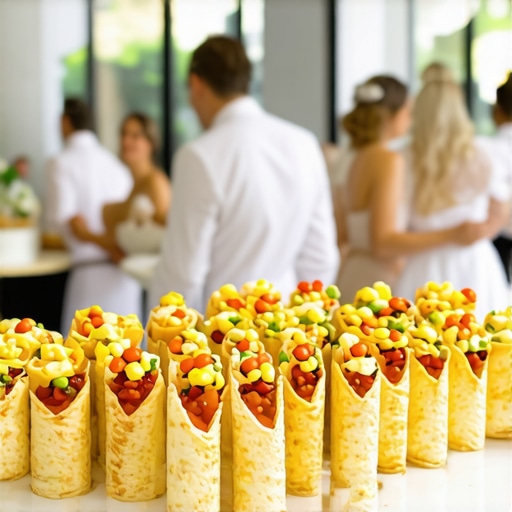
Finally, stay informed about modern catering ideas and industry standards to identify cost-effective innovations. For example, trending handheld snacks or minimalist buffet designs reduce both food and staffing costs. I kept an eye on upcoming trends and incorporated finger foods that guests could enjoy with minimal wait times, enhancing their experience while saving money. This proactive approach is supported by industry specialists, aiding in strategic decision-making.
Many assume that choosing popular or upscale menus automatically guarantees guest satisfaction and event success, but in my experience, this is a dangerous oversimplification. One illusion is that hiring the most experienced servers ensures flawless service; however, even seasoned staff can falter if not properly trained for a specific event style or guest demographic. Moreover, many planners overlook the importance of nuanced communication with catering teams, leading to mismatched expectations and costly errors. For example, I once witnessed a corporate gala where servers overwhelmed guests because they weren’t familiar with the timing of staggered meal service, causing delays and frustration.
How can catering staff adapt to high-pressure, complex events better than generic training suggests?
Industry studies, such as those published by the National Restaurant Association, emphasize that customized staff training tailored to event type and guest needs dramatically improves service quality. Instead of relying solely on generic training, event organizers should work closely with catering providers to develop specific protocols, including handling dietary restrictions, managing timing, and guest engagement strategies. Overlooking these details often results in the so-called ‘oops’ moments that tarnish an event’s reputation and ruin guest experience. Additionally, a common myth is that larger staff-to-guest ratios always improve service; in reality, excess staff can cause chaos and confusion, leading to inefficiencies and increased costs. The key lies in optimal staffing based on event complexity—something experts advise carefully analyzing beforehand. For instance, I recommend reviewing strategic staffing tactics to align your team size with your specific needs. Remember, the devil is in the details, and understanding theNuances of service dynamics can make or break your event’s success. Are you prepared to challenge common assumptions and elevate your catering approach? If so, I encourage you to review the top server ratios that are shaping the standards for 2026. Have you ever fallen into this trap? Let me know in the comments.
How do I maintain consistency and efficiency over time?
Maintaining quality in wedding, corporate, or event catering requires reliable tools and disciplined routines. Personally, I rely on the robust corporate event catering strategies checklist, which serves as my operational backbone. This comprehensive guide ensures I stay aligned with industry best practices while adapting to unique client needs.
One tool I can’t live without is Trello. I use it to coordinate staff schedules, menu adjustments, and equipment checklists. Its visual interface helps me track progress at a glance, identify bottlenecks, and reallocate resources swiftly. For instance, pre-event setup can be optimized by creating checklists that ensure nothing slips through the cracks—saving time and preventing last-minute surprises.
Another indispensable resource is Turnstile POS systems. They streamline order processing, track inventory in real time, and generate detailed reports. This data-driven approach allows me to spot trends, adjust purchasing, and refine menu offerings—ensuring consistency across multiple events and long-term growth.
Why Future-Proof Your Event Planning?
Staying ahead in the catering industry involves embracing emerging tech trends, like AI-driven inventory management and virtual training modules. An article by Industry Insider emphasizes that integrating AI can reduce waste by up to 25% and optimize staffing levels (see modern catering ideas). By testing these tools now, you prepare your operation for the inevitable shift toward smarter, more efficient event management—saving costs and improving guest experiences in the process.
To take a practical step today, I recommend trying out enhanced inventory tracking using AI-based software on a trial basis. This small investment can pay dividends in accuracy and efficiency, giving you a clearer picture of your long-term operational health.
What’s the Best Way to Scale Your Catering Capabilities?
If you’re looking to grow your business, focus on scalable tools like cloud-based scheduling platforms and modular staff training programs. These strategies facilitate seamless expansion, ensuring quality isn’t compromised as you handle larger or more frequent events. Remember, the key lies in scripting processes that are easily repeatable and adjustable, which tools like trend-inspired menu planning can support.
In conclusion, leveraging the right technology and disciplined routines helps you stay agile, consistent, and prepared for growth. Don’t hesitate to experiment with advanced planning tools—your future clients will thank you. For an immediate boost, start by integrating a comprehensive checklist system into your daily operations and observe how it elevates your service quality over time.
What I Wish I Knew About Wedding Catering Before Starting
One of my biggest lessons was realizing that small tweaks in menu presentation and ingredient choices could dramatically reduce costs, often without my guests noticing. I once believed that offering the fanciest dishes always meant higher satisfaction, but I learned that strategic choices and thoughtful adjustments matter more. This insight transformed how I approached catering planning, teaching me that behind every impressive event is a series of deliberate, budget-conscious decisions.
Top Resources That Transformed My Catering Approach
My first recommendation is to check out 2025 catering trends. Staying updated on industry movements helps me craft menus that are both modern and cost-effective. I also rely heavily on catering fix guides because they provide practical solutions for common pitfalls, saving me time and money. Additionally, industry expert tips keep me informed about staff management and service flow, ensuring a smooth celebration from start to finish.
Seize the Moment and Reimagine Your Catering Strategy
Remember, every wedding or event is an opportunity to apply these hidden hacks. Embrace strategic menu adjustments, leverage the latest trends, and continually educate yourself—these steps will elevate your catering game, impress your guests, and keep your budget intact. Don’t be afraid to experiment and refine your approach; the most memorable events often stem from innovative, well-informed choices. Take action today and start transforming your caterings into unforgettable experiences—your clients and guests will thank you for it.


Wow, this is such timely advice! When I planned my sister’s wedding last year, I didn’t realize how much small menu tweaks could save costs. We ended up swapping out some seafood dishes for more seasonal, local produce, which not only cut costs but also added a fresh touch to the menu. I totally agree that portion control and strategic ingredient swaps can make a big difference without compromising quality. I’ve noticed that some caterers tend to over-serve, leading to waste that could be easily avoided with clear communication. The tips on adjusting portion sizes and negotiation strategies are spot on. Have others found any particular menu items that are surprisingly cost-effective but still impress guests? I’d love to hear ideas on elegant yet budget-friendly options that can be easily incorporated into different types of events.
Reading through this post reminded me how often overlooked menu presentation and ingredient choices can significantly impact the overall wedding budget. A few years ago, I worked on a wedding where we swapped out expensive choices like filet mignon for marinated chicken breast with herbs, which not only saved about 18% on food costs but also received rave reviews from guests. It’s fascinating how smaller, strategic tweaks—like adjusting portion sizes or using seasonal produce—can make such a difference without sacrificing guest satisfaction. I’m curious, has anyone tried incorporating more plant-based or vegetarian options into their menus? From my experience, these often come at a lower cost but can be just as impressive when presented creatively. Also, I wonder if anyone has tips on managing guest expectations when making these adjustments, especially for more traditional or upscale crowds? Would love to hear how others have balanced budget-friendly modifications with maintaining a high-end feel.