I still remember the sinking feeling in my stomach during a crucial corporate luncheon last year. Guests were shifting uncomfortably, reaching for carbs to quell their energy dips, and I realized my menu was inadvertently sabotaging the very productivity I aimed to boost. It struck me then—what we serve can make or break the momentum of a high-stakes meeting. If you’ve ever faced the chaos of last-minute catering failures or seen attendees struggle to stay engaged, you’re not alone. That’s why I embarked on a quest to find simple, effective low-carb menu fixes specifically designed to keep business meetings sharp and energetic in 2026.
The Power of the Right Menu at Business Events
In today’s fast-paced corporate world, meals aren’t just about feeding people—they’re strategic tools that influence focus, networking, and overall success. The trend toward low-carb eating continues to gain momentum, not just among health enthusiasts but in boardrooms and conference halls too. An article by Gourmet Catering Co. underscores how tailored menus can enhance guest trust and satisfaction, vital components for closing deals and fostering collaboration. Early in my journey, I made the mistake of ignoring these nuances, sticking to traditional menus that left attendees sluggish or distracted. That misstep taught me the importance of deliberate menu planning—especially incorporating low-carb options that fuel productivity without sacrificing flavor or guest experience.
Is Cutting Carbs Really a Game Changer for 2026?
I used to be skeptical about the impact of menu choices on business outcomes. It sounded like a fancy trend rather than a tangible strategy. But data from nutrition studies shows that low-carb foods can improve mental clarity and energy levels—crucial for productive meetings. So, if you’re wondering whether low-carb fixes are just buzz, consider this: a well-curated menu not only impresses guests but can actively boost the quality of discussions and negotiations. Ready to rethink your catering approach? Let’s explore three low-carb menus and approaches that will set your 2026 meetings apart.
Design a Clear and Cohesive Menu Structure
Start by mapping out your menu to prioritize low-carb options that are easy to prepare and serve. Think of your menu as a blueprint—each item should complement the overall goal of keeping guests energized. I once sketched a menu on a whiteboard during a planning session, categorizing items into salads, wraps, and hot dishes—all low-carb. The result? Staff found it simpler to execute, and guests appreciated the streamlined choices that prevented the usual carb overload.
Select the Right Ingredients for Sustained Energy
Opt for high-quality proteins, healthy fats, and fiber-rich vegetables that stabilize blood sugar levels. For instance, using avocado or nuts in salads offers lasting energy without the crash. I personally experimented with a roasted salmon platter topped with lemon and herbs for a corporate luncheon. Not only did it look appealing, but it also kept attendees alert during intense strategy discussions, proving that ingredient choice directly influences focus.
Implement Pre-Preparation and Modular Serving Options
Break down dishes into components that can be prepped in advance and assembled on-site. This approach minimizes kitchen chaos and ensures freshness. During a busy client presentation, I arranged a build-your-own lettuce wrap station—pre-cooked meats, sliced vegetables, and sauces—allowing attendees to customize quickly. This modular setup reduced wait times and kept energy levels high, illustrating the importance of thoughtful serving methods.
Train Staff for Seamless Low-Carb Service
Equip your servers with specific knowledge about menu items to guide guests effectively. Assign roles, such as pre-plate servers for hot dishes and buffet attendants for cold options, to streamline flow. I once coordinated a team with this focus, emphasizing quick, unobtrusive service standards—results included fewer lines and happier guests, akin to a well-conducted orchestra in a busy hall. For further insights, review top server strategies for seamless events.
Use Presentation to Reinforce Low-Carb Appeal
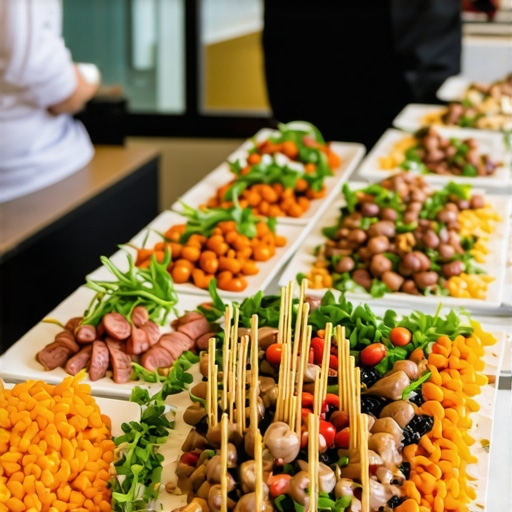
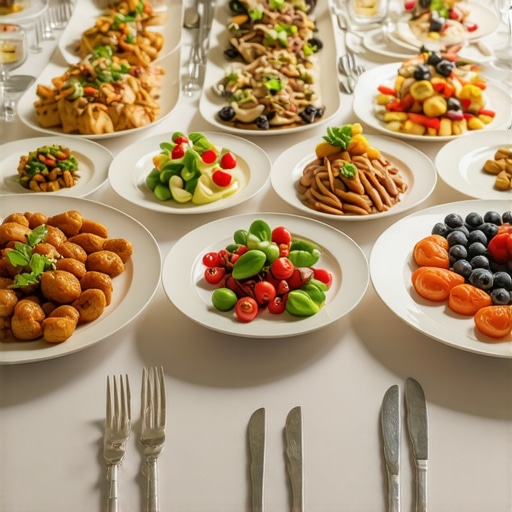
Visual cues matter. Highlight low-carb options with attractive plating and labels to guide guests effortlessly. During a corporate retreat, I arranged appetizers on sleek platters with clear tags, making healthy choices obvious. This simple step boosted uptake and reinforced the message that health-conscious catering can be appealing. Consider leveraging innovative presentation techniques to enhance perception.
Monitor and Adjust Based on Feedback
Solicit guest feedback post-event to refine your menu and service. I once followed up with attendees via quick surveys, noting a preference for spiced nuts over plain almonds. Adjusting menu offerings accordingly ensured each meeting became more aligned with attendees’ preferences. Continual iteration not only improves culinary quality but also enhances guest trust, essential for future bookings.
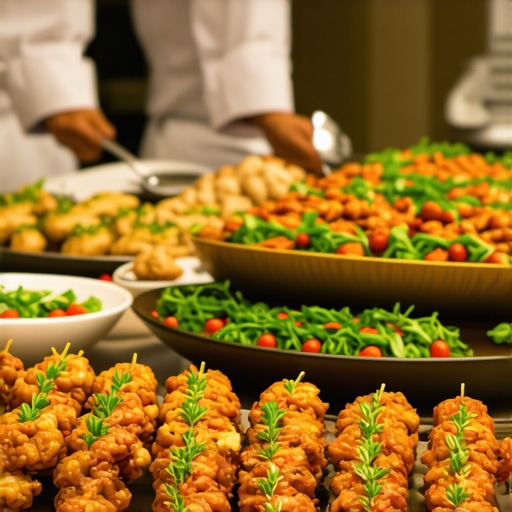 While many assume that flawless execution in weddings and corporate events hinges solely on choosing the right menu or hiring good servers, seasoned event professionals know there’s a hidden nuance that can make or break the experience: understanding the subtle dynamics of service flow and guest interaction. One widespread misconception is that servers should simply follow a script, but in reality, anticipating guest needs and adapting in real-time requires deep training and awareness. A common mistake is neglecting to consider the importance of well-designed service sequences, which impact guest satisfaction and operational efficiency. For instance, poorly coordinated plating or timing can lead to awkward pauses or cold food, undermining even the most luxurious menu. Experts suggest that investing in comprehensive staff training, focusing not just on menu knowledge but on experiential cues and guest engagement, is crucial for seamless service. For advanced event planners, it’s not enough to rely on standard procedures; understanding the neuropsychology behind guest comfort and patience can optimize staffing and timing. Research by industry authorities indicates that customized server positioning and dynamic staff management significantly enhance perceived service quality, leading to higher guest satisfaction and better reviews. Beware of the trap where teams focus solely on speed at the expense of hospitality; striking the right balance ensures guests feel attended to without feeling rushed. To dig even deeper, consider the impact of layout design and service zones, which influence how servers interact with guests and how fluid the experience feels. Many overlook that small adjustments, like strategic placement of side stations or staggered serving cues, reduce congestion and enhance flow. If you aspire to elevate your catering game, exploring advanced staffing strategies and nuanced guest interaction techniques can set your events apart. Remember, the devil is in the details, and mastering these subtleties often distinguishes good from unforgettable events. Want to see this in action? Review how professional servers enhance guest experience and ensure your team is prepared for micro-moments that matter. Have you ever fallen into this trap? Let me know in the comments.
Running smooth and reliable catering operations for weddings, corporate events, or parties requires more than just good intentions; it demands the right equipment and software to keep everything efficient and stress-free. Over my years in the industry, I’ve found that investing in specific tools not only streamlines day-to-day tasks but also ensures long-term success and scalability. Let me share some insights into what I personally recommend for maintaining top-notch service without breaking the bank or losing quality.
Implementing Robust Catering Management Software
First and foremost, I rely on dedicated catering management software like a comprehensive platform that centralizes planning, menu creation, and client communication. This tool enables me to track orders, manage staff schedules, and coordinate logistics in real-time. Its automation features reduce errors and save valuable time, especially during busy seasons. Predicting future trends, I believe that AI-powered analytics within these platforms will become even more integral, providing predictive insights to optimize staffing and inventory levels.
High-Efficiency Servers and Equipment
When it comes to physical tools, I swear by high-quality, durable serveware and portable warming stations. For example, 110-server ratios are quickly becoming the industry standard for maintaining flow at large events, ensuring no guest waits too long for their meal. Investing in reliable servers and auxiliary equipment like insulated containers helps maintain food temperature and presentation, which is critical for long events.
Maintaining Long-Term Equipment and Software
To keep everything running smoothly over time, regular maintenance and updates are essential. My routine includes scheduled calibration for warming stations, cleaning service ware daily, and updating software monthly. Staying proactive prevents unexpected breakdowns that could derail an event. Additionally, I keep a detailed maintenance log for all equipment, which proves useful for warranty claims or replacement planning. Anticipating how technology will evolve, integrating IoT (Internet of Things) systems can provide remote monitoring of temperature, humidity, and usage, streamlining maintenance further.
Scaling Operations with Modular Tools
As your event business grows, flexibility becomes key. Modular serving carts, foldable stations, and portable UV sterilizers allow quick scaling and adaptation to different event sizes and venues. I recommend experimenting with multipurpose tools that can serve various functions, reducing clutter and simplifying logistics. According to industry experts, efficient layout design combined with appropriate tools leads to faster service and happier clients. For example, strategic server placement and layout planning is proven to minimize chaos and maximize flow.
How do I maintain quality and efficiency long-term?
The key lies in consistent training, regular equipment audits, and staying informed about industry innovations. I recommend setting quarterly reviews to assess tools and processes. For instance, exploring new technologies such as AI-driven staffing analytics or smart temperature monitoring can give you an edge. Staying ahead ensures you avoid pitfalls like outdated equipment or inefficient workflows. And don’t forget to invest in your staff’s skill development—well-trained servers and coordinators are the backbone of any successful event. For additional tips on staffing, see top server strategies for seamless events. Try integrating a new software tool this quarter to see how it streamlines your operations—you might be surprised at the gains in productivity!
Over the years, I’ve come to realize that the real magic in events doesn’t just lie in the menu or the servers, but in the nuanced understanding of guest behavior and the behind-the-scenes orchestration that makes everything seamless. It’s these hidden layers—those small, almost imperceptible adjustments—that elevate an ordinary gathering into an extraordinary experience. From personal missteps to breakthrough strategies, the journey of perfecting catering service is continuous and rewarding.
The Little Lessons That Changed My Approach
– One unexpected revelation was the power of timing. Ensuring that servers are strategically positioned, not just for speed but for creating interactions that feel natural, transformed guest satisfaction. I once watched a team adjust their positions mid-event and instantly saw the difference in guest comfort and flow. This taught me to think beyond standard layouts and embrace dynamic service routes.
– Another lightbulb moment was realizing how much the presentation influences guest perceptions. Simple touches like clear labels for low-carb items or arranging dishes with contrasting colors dramatically increased engagement and healthier choices. It truly highlighted that visual cues guide guest behavior more than I initially believed.
– Regular staff training, beyond menu knowledge, focusing on guest psychology and micro-moments, has been instrumental. Empowering servers to anticipate needs rather than just react has, over time, reduced service chaos and boosted overall event flow. Remember, the best servers are those who read guests’ unspoken cues and adapt accordingly.
Tools That Keep the Momentum Going
– For a reliable, efficient operation, I rely on platforms like planning tools that streamline every step. They allow me to coordinate seamlessly with my team and make real-time adjustments, which are crucial during high-pressure moments.
– Equipment like modular serving stations and high-efficiency warming carts are game-changers. They give me the flexibility to scale up or down without sacrificing quality. Regular maintenance schedules, aided by IoT sensors, ensure every piece functions optimally—saving headaches and preserving guest experience.
– Investing in training programs that focus on adaptive service techniques equips my team to handle unpredictable scenarios gracefully. Additionally, resources like industry insights on staffing ratios help me stay ahead of the curve as event sizes and complexities grow.
Embracing Continuous Growth and Innovation
To stay at the top, I make it a point to review guest feedback meticulously and remain curious about emerging trends. Whether experimenting with new low-carb menu ideas or adopting smarter service layouts, staying flexible is key. Remember, the goal isn’t just to meet expectations but to create memorable moments that leave guests eager to return. Exploring articles like top catering tips for 2024 helps me gather fresh ideas.
Insider Wisdom: Lessons Learned from the Trenches
- – Trusting my instincts in real-time adjustments often surpasses strict planning. Sometimes, a simple repositioning of servers or a quick change in presentation style impresses guests more than elaborate upgrades.
- – Underestimating the power of mood and environment can undermine even the tastiest menu. Ambient lighting, music, and scent subtly influence guest perception and engagement—paying attention to these details makes a difference.
- – Building strong, well-trained teams who understand the importance of micro-moments fosters a culture where excellence becomes routine, not an exception. Consistent coaching and recognition are essential components.
- – High-quality, adaptable tools and equipment are investments, not costs. They pay dividends in professionalism, efficiency, and guest delight, especially when unforeseen issues arise.
Where to Go from Here
If you’re committed to raising your catering game, start by analyzing your current operations through the lens of these insights. Experiment with layout modifications, train staff on guest psychology, and adopt smart equipment solutions—small changes can lead to significant improvements. Dive into resources like innovative catering ideas to keep your offerings fresh and relevant. Remember, the secret lies not in grand gestures but in mastering the subtle art of attentive, adaptive service that turns clients into raving fans.