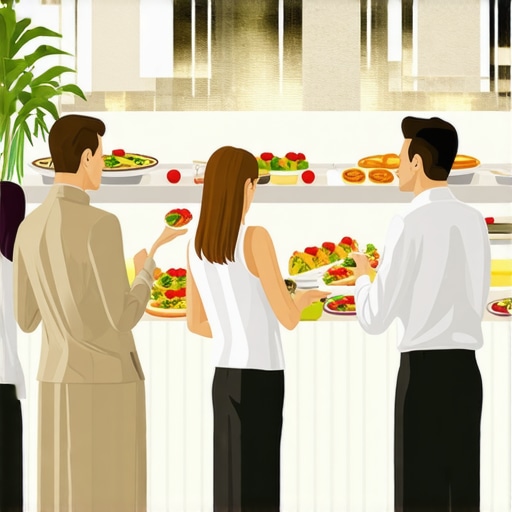
I’ll never forget the moment I realized that traditional wedding buffets are slowly becoming outdated. During a recent event, I watched guests line up endlessly, chatting while waiting for their turn, and I thought—there has to be a better way to present food that keeps everyone engaged and satisfied. That lightbulb moment sparked my obsession with reimagining wedding dining, and today, I want to share how 5 innovative interactive food stations can revolutionize the typical buffet experience. If you’re planning a wedding for 2026, this shift isn’t just trendy—it’s a strategic move to elevate guest experience and streamline service.
Why the Old-School Buffet Just Doesn’t Cut It Anymore
Let’s face it—buffets have their charm, but they can also breed chaos. Long lines, cold food, and overwhelmed servers. Plus, guests often spend more time waiting than mingling, which kills the vibe. Early on in my catering journey, I made the mistake of assuming that sticking to traditional buffet lines would suffice. But I quickly learned a key lesson: modern wedding guests crave interaction and personalized experiences. According to industry experts, incorporating engaging food stations not only enhances the atmosphere but also boosts overall guest satisfaction. Read more about expert tips here.
The challenge, however, is implementing these stations effectively without increasing costs or creating confusion. That’s where thoughtful design and execution come into play. Today, we’ll explore five different interactive food stations that can replace or complement your 2026 wedding buffet, making your celebration memorable and smooth-running.
Is the Hype About Interactive Stations Overrated?
I understand your skepticism. It’s easy to think, “Will these stations really work as promised?” I’ve been there. My early attempt at setting up a pizza station went awry—cold toppings, slow service, and disappointed guests. I realized the importance of accurate planning and trusted servers. If you’re wary about investing in these ideas, remember that with proper organization, these stations can save time and create a dynamic atmosphere. For tips on choosing the right service staff, check out this guide.
Selecting the Right Food Stations for Your Wedding
Start by identifying your guests’ preferences and the wedding theme. For instance, a build-your-own taco station works well for casual, breezy weddings, while a sushi rolling station suits elegant receptions. I once organized a sushi station for a client’s outdoor wedding—initially, I underestimated the space needed, leading to congestion. To avoid this, I mapped out the station area on paper, ensuring ample room for servers to move freely. When planning, consider how the station’s setup aligns with throughput expectations—a crowded sushi station requires multiple stations or staggered service times to prevent bottlenecks. For guidance, read this resource on effective wedding catering tips to evaluate your options.
Designing a Workflow That Keeps Guests Moving
Map Out the Service Path
Visualize the flow from the kitchen or serving area to the guest. Think of it like a highway interchange—if routes aren’t clear, traffic jams occur. I once set up a pasta station where servers wandered aimlessly, causing delays. To fix this, I marked a clear path with tape and assigned specific servers to direct guests and replenish ingredients promptly. This organized flow minimizes wait times and keeps guests engaged. Also, plan for the timing of ingredient replenishment to maintain a steady stream of fresh food. For tips on optimizing station flow, check planning the ultimate wedding reception meal.
Train and Empower Your Servers
Servers are the nervous system of your stations—they need to operate seamlessly. I recall a wedding where I trained servers in advance on specific tasks—refilling trays, greeting guests, and managing flow. I emphasized rapid response and friendly interactions, which significantly improved guest experience. When training, focus on specific protocols: how to handle toppings, serve multiple guests quickly, and troubleshoot common issues. Steady servers lead to efficient service, much like skilled coordinators managing a complex project. To ensure quality, consult this guide on expert server tips for detailed training strategies.
Maintain High Standards During Service
Consistency is key. Every station should serve food at the right temperature and appearance. I remember a brunch wedding where one station’s food cooled rapidly because of poor insulation. To prevent this, I personally checked all containers and insulated them better. Assign a dedicated server to monitor each station, ensuring food remains appealing and replenished as needed. Also, keep an eye on guest feedback—if someone mentions cold food or delays, immediately address it. Implement a short feedback loop among servers to report issues quickly. For best practices on maintaining quality, see innovative catering ideas for modern weddings.
Leverage Visuals and Signage to Streamline
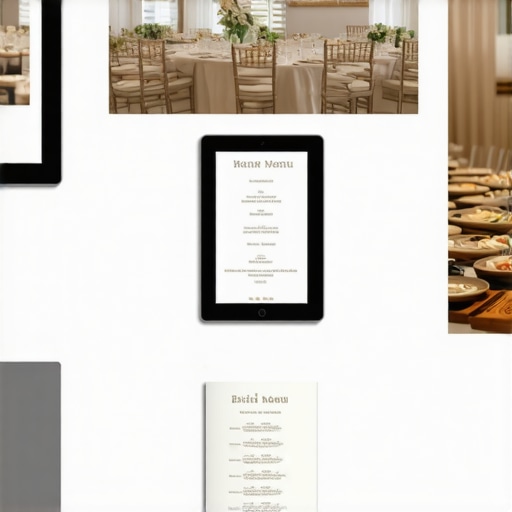
Clear signage helps guests navigate stations without confusion, reducing server workload. Use simple, attractive signs indicating what each station offers. A photo I took of a client’s wedding shows colorful labels and neatly arranged stations—this visual clarity kept lines moving. Additionally, employing digital displays or mini menus at each station can inform guests about options, fostering engagement and reducing questions. Remember, the goal is to make the experience intuitive—guests shouldn’t have to ask where to find what. For visual inspiration, consider top wedding catering strategies.
Many believe that hiring professional servers is simply about meeting minimum staffing ratios or ensuring quick dish delivery. However, the real nuance lies in understanding the *hidden* roles servers play beyond just serving food. For example, many assume that servers are interchangeable, but in high-stakes events like weddings or corporate gatherings, their ability to read the room and adjust service style can vastly influence guest satisfaction. A study published in the Journal of Hospitality & Tourism Research highlights that personalized server interactions significantly enhance guest experience, contradicting the myth that uniform service is sufficient.
One trap I’ve seen often is over-relying on pre-set menus or rigid service scripts, thinking they guarantee efficiency. In reality, this can lead to stiff interactions and lack of responsiveness. Flexibility and training that emphasize troubleshooting, guest engagement, and anticipatory service are more critical than ever. I once watched a wedding where servers proactively recommended wine pairings and engaged guests with small talk, turning routine service into memorable moments—something that standard scripts would never achieve.
**Why Do So Many Get Trapped by These Myths?**
The pervasive misconception is that more servers automatically mean better service, but from my experience, quality, and training matter more than quantity. For instance, an overcrowded wedding with poorly trained staff results in chaos, whereas a well-trained, smaller team can deliver seamless service, enhancing the overall ambiance.
To avoid these pitfalls, event planners should focus on train-the-trainer models emphasizing soft skills and situational awareness. Check out this guide on selecting the right servers for more insights.
**Advanced Insight: The Role of Server Ratios in High-Profile Events**
A critical advanced aspect is understanding the optimal server-to-guest ratio, which is often misunderstood. Many assume that a 1:10 ratio is sufficient, but in practice, especially for cocktail hours or plated dinners, ratios closer to 1:6 or 1:4 ensure attentive service and can prevent bottlenecks. The latest industry analysis suggests that ratios like 1:4 or 1:5 improve guest ratings and streamline operations—information backed by the latest hospitality studies available at this resource.
In the end, professionals understand that servers are more than just food dispensers—they’re elements who influence atmosphere, facilitate guest interactions, and uphold the event’s overall tone. Have you ever fallen into this trap? Let me know in the comments.
Maintaining smooth operations during weddings, corporate events, or catering gigs requires more than just experience—it demands reliable, precise tools that streamline every aspect of service. Over the years, I’ve honed a toolkit that ensures consistency and professionalism, even under pressure. In this section, I’ll share the specific equipment and software I personally rely on to keep everything running flawlessly.
Invest in a Portable POS System for Real-Time Orders
One of my most valuable assets is a portable point-of-sale (POS) system. I use the Square Stand paired with a rugged tablet because it allows servers to take orders directly at the table or station, minimizing delays and errors. It also syncs instantly with kitchen printers and inventory, maintaining real-time accuracy. This setup has drastically reduced order mix-ups and sped up service during high-volume moments. When choosing your POS, look for features like offline mode, customizable menus, and integration with your other tools.
Utilize Cloud-Based Scheduling for Better Coordination
Managing staff shifts and station assignments becomes much easier with a cloud-based scheduling app. I personally use When I Work because it offers real-time updates accessible via mobile devices, ensuring everyone on the team is on the same page. This prevents double bookings, last-minute surprises, and helps me allocate servers efficiently during peak times. The future of event management is clearly moving toward integrated, collaborative platforms—don’t overlook their importance.
Deploy Copper or Google Sheets for Inventory Control
It’s critical to keep track of food supplies, linens, and utensils. I split my inventory management between Copper CRM for tracking vendor interactions and Google Sheets for daily stock updates. The advantage? Google Sheets allows quick adjustments and immediate sharing with the team, preventing shortages or overstock issues. Make a habit of updating your inventory at the start and end of each event—this habit saves money and ensures quality.
Automate Communication with Messaging Platforms
Clear communication often determines success or chaos. I rely on WhatsApp Business for instant messaging. It enables quick distribution of updates, special instructions, or troubleshooting notes. Having dedicated groups for kitchen staff, servers, and coordinators eradicates miscommunication. As events grow larger, consider integrating Slack for more complex workflows—it’s the shifts in technology that will simplify your future operations.
Predict the Future: Smart Tech and Data Analytics
Looking ahead, the trend points toward integrating data analytics with your operational tools. Predictive scheduling, demand forecasting, and client preference tracking will become standard, allowing you to optimize staff and resources dynamically. For now, begin by tracking your own data—identify bottlenecks and waste, then use that knowledge to improve. For a more tech-driven approach, explore software like event analytics platforms.
How Do I Keep These Tools Reliable Over Time?
Consistent maintenance of your tools is crucial for longevity. Regularly update your POS firmware, back up your scheduling data, and review your inventory protocols monthly. Training staff on these tools ensures everyone benefits from their features, reducing human error. Invest in warranties and technical support for your devices—just like servers, tools need occasional servicing to perform optimally. Make a habit of running routine audits to identify any issues early, preventing service disruptions.
Finally, I highly recommend trying a comprehensive workflow check using all these tools together. Setting up a test event or a dry run will reveal gaps and help refine your processes before the real deal. Remember, technology is just an enabler—your management, training, and mindset determine success. Ready to elevate your event operations? Begin by adopting a portable POS system and see the difference it makes.
Lessons That Didn’t Come from Manuals but Changed My Approach
One of the most profound insights I gained was understanding that flexibility in service is more valuable than rigid plans. Early on, I believed every detail had to be perfect, but real-world wedding catering taught me that adaptability—listening to guests’ cues and adjusting accordingly—creates a more memorable experience. I also learned that investing in quality staff and proper training pays off tenfold; it transforms a good event into an exceptional one. Lastly, I realized that behind every successful catering setup is a quiet moment of troubleshooting, reminding me that patience and preparation go hand in hand in mastering the art of wedding catering.
My Go-To Resources for Elevating Wedding Catering
For anyone serious about refining their wedding catering game, I recommend three key resources. First, Expert tips from industry veterans provide invaluable insights into current trends and pitfalls to avoid. Second, Effective menu planning guides help craft menus that delight without breaking the bank. Lastly, Server training strategies ensure your team delivers consistent, warm service that turns guests into raving fans. Trust these sources—they’ve transformed my approach from competent to exceptional.
Your Next Step Toward Culinary Excellence
The future of wedding catering is bright for those willing to embrace innovation, learn from experience, and invest in their team. Implementing even a few smart adjustments—like better staff training or thoughtful menu design—can produce results that surprise even you. Remember, every wedding is unique, and your ability to adapt and grow is what truly sets your service apart. Don’t wait for perfection; start today, and watch your reputation flourish as you master the art of memorable wedding feasts.
What’s one unexpected lesson you’ve learned from your own catering experiences? Share your story below—I’d love to hear it!
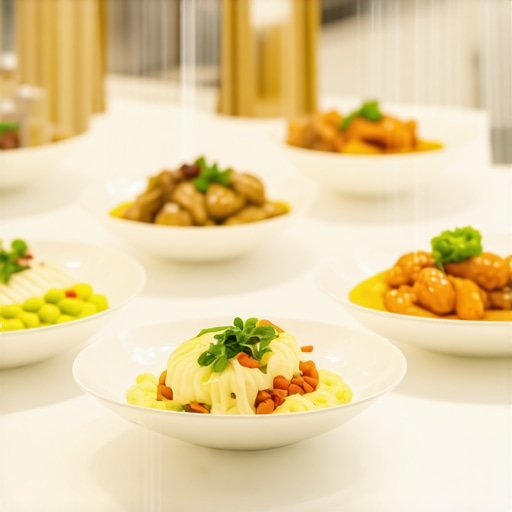
![6 Hidden Menu Fees That Blow 2026 Wedding Budgets [Fixed]](https://gourmetcateringsco.com/wp-content/uploads/2026/04/6-Hidden-Menu-Fees-That-Blow-2026-Wedding-Budgets-Fixed.jpeg)
I totally agree with the idea that traditional buffets are becoming less effective in today’s weddings. I’ve organized several events where long lines and cold food became immediate issues, and transitioning to interactive stations really transformed the guest experience. On a recent wedding, we set up a build-your-own taco station, which turned out to be a huge hit—not just for fun, but also because it reduced wait times significantly and encouraged mingling. The key, as you pointed out, is thoughtful planning and training staff well. I’m curious, how do others manage the logistics of multiple interactive stations without overwhelming the kitchen or creating bottlenecks? In my experience, staggering some stations or having dedicated staff for each can really make a difference. Looking forward to trying out more ideas from this post for my upcoming weddings!
I completely resonate with your insights on interactive stations transforming wedding experiences. From my perspective, the key to successful implementation is not just the number of stations but how well they are integrated into the overall flow. During one wedding I worked on, we encountered bottlenecks with a cocktail station handling both drinks and small bites simultaneously. To resolve this, we split the station into two – one dedicated to beverages and the other solely for appetizers, which improved service speed. Also, training staff specifically on the flow and setup is crucial to prevent chaos.
Have you tried using any digital tools or apps to manage these stations? I’ve found that real-time communication with staff during the event makes a significant difference in troubleshooting on the fly. For anyone considering these setups, what are your biggest concerns? Balancing engagement with efficiency can be tricky, but with thoughtful planning, it’s definitely achievable.