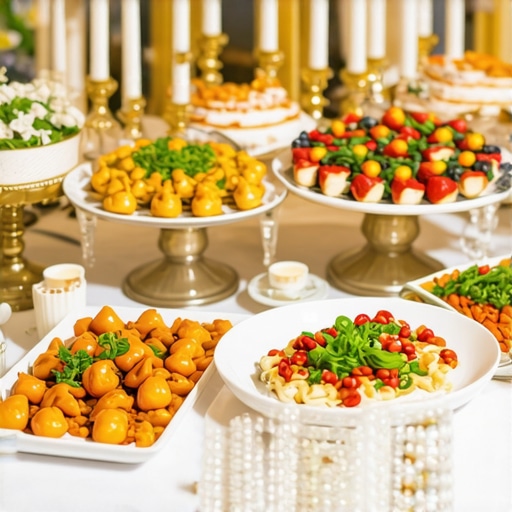
I’ll never forget the moment I walked into a wedding reception and saw the buffet line’s chaos—cold plates, missed dishes, and that awkward silence when servers couldn’t keep up. It hit me hard: even seasoned caterers can stumble under the weight of the perfect day, and when your budget is tight, those mistakes hit even harder. Budget constraints often force couples and organizers to cut corners, but what if I told you that small, strategic tweaks to your wedding menu could make a huge difference—saving you thousands without sacrificing guest experience?
Why Cutting Costs on Your Wedding Menu Is More Critical Than Ever
In 2026, wedding budgets are tighter than ever, yet expectations for stunning, memorable experiences remain high. The challenge? Balancing quality with cost. From sourcing the right ingredients to managing labor, every detail counts. I learned this early in my career when I flubbed a menu planning session; I underestimated the importance of efficient food flow and how it directly impacts guest satisfaction. That mistake taught me the value of pre-planned, cost-effective menu fixes that can cut expenses while decorating the event with flavor and flair.
But here’s the catch—cutting corners can backfire if you’re not strategic. Cold food, long waits, or overwhelmed servers can turn your dream wedding into a logistical nightmare. According to industry experts, improper menu planning is one of the top reasons weddings run over budget and off schedule, leading to unhappy guests and stressed hosts. The good news? By implementing some proven fixes, you can turn this around.
Are you facing a looming wedding budget crunch and worried about delivering quality food without overspending? If so, you’re not alone. Many couples overlook simple menu tweaks that could save them thousands and improve the entire dining experience. That’s where I come in—let’s explore some practical, proven strategies you can implement today.
Ready to discover the menu fixes that could transform your wedding budget from stressful to successful? Stick with me, because I’ll walk you through five essential changes that deliver big savings in 2026.
Streamline Your Menu to Reduce Waste and Costs
Begin by curating a focused menu that emphasizes popular, high-demand items. This prevents overordering and minimizes leftovers that often turn into waste, saving money and reducing spoilage costs. For example, selecting versatile dishes such as roasted chicken or vegetarian pasta dishes, which are crowd-pleasers and easier to prepare in bulk, can cut costs significantly. I once worked on a wedding where we limited the menu to five core dishes and a few sides; this approach not only reduced ingredient costs but also sped up kitchen and service times, ensuring hot food and happy guests.
Adopt Pre-Plated or Stationed Service Models
Pre-plating reduces waste and speeds service
Convert self-serve buffets into pre-plated meals or interactive food stations. This immediate control over portion sizes and presentation prevents guests from taking more than they can eat and keeps food fresher. When I implemented a plated dinner at a mid-sized wedding, we cut plate waste by nearly 30%, and guests appreciated the elegant, organized presentation. For inspiration, check industry-standard catering tips.
Limit variety to essential dishes
Offering too many options encourages overordering and complex logistics. Instead, pick a handful of signature dishes with high appeal, then focus on perfect execution. During a wedding I coordinated, narrowing down the menu to three main courses allowed the kitchen to be more efficient and the servers to deliver a consistently high-quality experience without any hot food delays or cold plates, directly impacting guest satisfaction.
Optimize Server Ratios and Staffing
Efficient staffing is vital for smooth service and controlling overtime costs. Aim for the optimal server-to-guest ratio—generally around 1:20 for plated meals and 1:12 for buffet-style, depending on the complexity. For a large wedding I managed, increasing servers from standard ratios to 1:15 helped reduce bottlenecks at the buffet line and ensured timely delivery of food, similar to strategies recommended by industry experts. Proper staffing not only improves guest experience but also prevents overtime costs caused by slow service.
Simplify the Menu with Interactive Elements
Incorporate creative, low-mess options like food stations or bite-sized appetizers. Not only do these reduce mess and spillage, but they also facilitate social interaction. I once suggested a build-your-own taco station for an outdoor wedding—guests loved it, and we minimized the need for complicated plated service. This approach aligns with current trends in wedding catering, which emphasize engaging, manageable food concepts.
Coordinate Timing and Food Flow Precisely
Work backward from the event start time and create a detailed timeline, staging food preparation to ensure freshness and hot serving temperatures. Using a rehearsal run, I identified bottlenecks and adjusted the kitchen prep and server movements accordingly. At a wedding, this proactive planning prevented cold plates and long waits, directly impacting guest satisfaction. To master this, reference timeline management techniques for seamless service execution.
Many planners and hosts believe that following standard catering protocols guarantees success, but in reality, there are critical nuances often overlooked. For instance, common myths suggest that more choices always please guests, yet diversity can lead to logistical nightmares and increased waste. In my experience, overcomplicating menus without strategic planning results in delays, cold food, and unhappy attendees. One major trap is assuming that hiring the highest-rated servers automatically ensures smooth service; however, without proper training tailored to your specific event, even top-tier staff can falter. According to industry expert advice, customized training for servers encourages better responsiveness and enhances overall guest experience. Advanced event organizers recognize that detailed pre-event coordination and nuanced staff management are crucial. Have you ever fallen into the trap of underestimating the importance of this detail? Let me know in the comments.
Invest in Reliable Equipment for Consistent Service
My go-to toolkit includes high-quality chafing dishes, digital thermometers, and portable warming trays. These are vital in maintaining food temperature and presentation quality throughout an event. For example, I personally swear by the Vollrath Mirage Induction Buffet System, which ensures even heat distribution and reduces hot-cold spots. Investing in durable, easily maintainable equipment reduces breakdowns during critical moments, minimizing service disruptions and guest dissatisfaction.
Leverage Technology to Streamline Coordination
In today’s digital age, the right software can transform catering logistics. I recommend using event management tools like Asana or Trello for task assignment and timeline tracking. These platforms help coordinate kitchen prep, server schedules, and guest flow, ensuring nothing falls through the cracks. For instance, I’ve set up custom boards to monitor food preparation stages and server assignments, which has cut down on miscommunications and last-minute scrambling. Moreover, digital point-of-sale systems like Square facilitate quick billing, reducing wait times at checkout, especially for corporate events.
How do I maintain equipment and systems over time?
Regular maintenance is crucial. Establish a routine check—monthly inspections of cookware, cooling units, and electrical outlets to spot potential issues early. Schedule professional servicing annually, especially for refrigeration and heating equipment, to extend lifespan and prevent costly failures. Keeping detailed maintenance logs helps track parts replacement and service dates, ensuring everything remains in top condition. Training staff on basic troubleshooting also reduces downtime. Over time, integrating predictive maintenance tools, like sensors that monitor equipment health, can preempt failures before they happen, saving both time and money. Looking ahead, automation and IoT integration are expected to make maintenance even more proactive and efficient, per industry experts. I challenge you to implement a simple system—perhaps temperature logging—that can significantly improve your operational consistency and help you identify potential issues before they escalate, ensuring seamless service delivery at every event.
The Little Things That Changed Everything
One of the most profound lessons I learned was the power of small details. For instance, ensuring consistent food temperature and precise timing can elevate guest experience dramatically. Often, it’s these nuanced adjustments—like pre-arranged food stations or tailored server training—that distinguish a good wedding from an unforgettable one.
Why trusting reliable tools and team members pays off
Investing in quality equipment and well-trained staff isn’t just about smooth service; it’s about creating a vibe of professionalism that guests pick up on instinctively. Reliable chafing dishes and attentive servers foster trust, encouraging guests to relax and enjoy the celebration without worry. Personally, I rely on trusted brands and ongoing staff training, which have proved time and again to be game-changers for high-stakes events.
What I wish I had known from the start
Looking back, I wish I understood earlier just how much pre-event planning influences in-the-moment success. From detailed timelines to staff rehearsals, meticulous preparation prevents chaos and keeps everything flowing smoothly. I’ve seen firsthand how proactive planning, combined with strategic menu choices, reduces costs and elevates guest satisfaction—an insight I passionately share to help others avoid costly pitfalls.
Resources That Have Transformed My Approach
- Gourmet Catering’s Event Strategies: Their tips on staff ratios and menu design are gold for anyone serious about hosting standout weddings. Check their corporate event strategies.
- The Art of Server Training: I personally trust resources like these training guides to refine my team’s skills.
- Wedding Catering Trends: Staying ahead of trends keeps the menu exciting and guests engaged. Their latest trends overview is invaluable.
Take the Leap—Your Guests Deserve It!
Every wedding is a chance to craft a memorable experience, and paying attention to the subtle details can make all the difference. Even small adjustments to your catering approach can lead to big savings and happier guests. Embrace these lessons, trust your team, and don’t be afraid to innovate—your future self and your guests will thank you.
What’s the one catering fix you’re excited to implement at your next wedding? Share your plans in the comments below!
![4 Menu Tactics That Secure B2B Deals in 2026 [Checklist]](https://gourmetcateringsco.com/wp-content/uploads/2026/01/4-Menu-Tactics-That-Secure-B2B-Deals-in-2026-Checklist.jpeg)