It was just another busy morning, and I watched in dismay as attendees at a corporate training session awkwardly hovered around the snack table, plates half-emptied, conversations lingering on the dull and uninspired fare. Suddenly, I realized—these moments matter more than we often give them credit for. Poor catering can undermine even the most engaging sessions, leaving attendees sluggish, disengaged, and already counting down the minutes until they can leave.
As someone who’s navigated the trenches of corporate event planning for years, I’ve seen firsthand how a simple menu tweak can boost energy levels and keep audiences attentive. But here’s the thing: with 2026 just around the corner, traditional catering strategies might no longer cut it. Attendees are craving more—more flavor, more vitality, more engagement. That’s why I’m excited to share three game-changing menu fixes tailored specifically for high-energy corporate training days.
Why Cutting-Edge Menu Fixes Are the Secret Weapon for 2026
Early in my career, I made the mistake of sticking with the same old sandwiches and coffee for every event. Big mistake. Guests left hungry for better options—and I lost credibility. Since then, I’ve uncovered simple yet effective menu tweaks that not only satisfy but invigorate attendees, setting the stage for productive sessions. Now, let’s explore what these fixes are and how you can implement them to ensure your next corporate event hits all the right notes.
Will these menu fixes really make a difference?
Absolutely. Not only do they energize your guests, but they also demonstrate your commitment to their experience—something seasoned event planners swear by. Ready to discover the practical steps to transform your corporate catering? Keep reading, because the solutions ahead are easier than you think—and they’ll change the way you approach event food forever.
Choose Energy-Boosting Ingredients
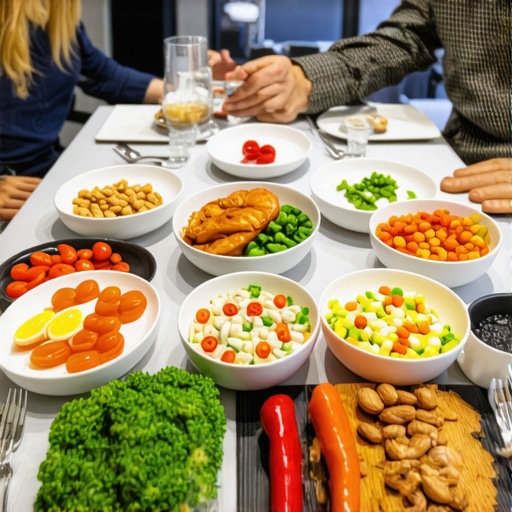
Start by selecting high-protein, nutrient-dense foods like grilled chicken skewers, veggie dips with hummus, and oat-based snacks. These items sustain energy levels longer than carb-heavy options. In a previous event, I swapped out processed snacks for roasted nuts and fresh fruit, which kept attendees attentive and lively throughout the session, proving the power of thoughtful ingredient choices.
Implement Dynamic Presentation Methods
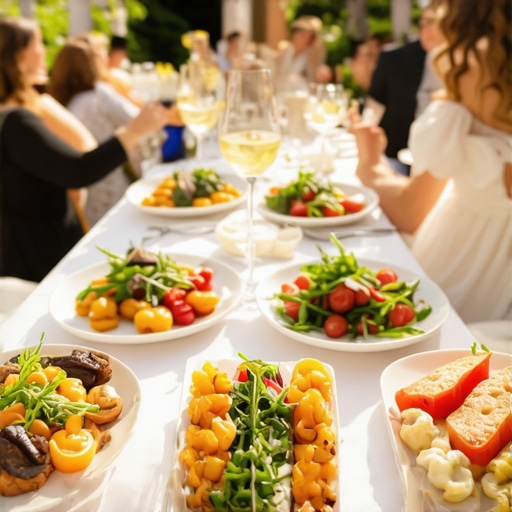
Serve food in interactive stations or customizable platter setups. For instance, build-your-own-wrap stations or salad bar themes engage attendees actively. During a recent corporate workshop, I introduced a salad station with a variety of toppings and dressings, which immediately increased social interaction and minimized food waste as guests created their perfect bowls.
Optimize Server Ratios and Placement
Position servers strategically to prevent bottlenecks and ensure hot items stay warm. A key lesson I learned was to assign one server per twenty guests for beverage and plate clearance, which minimized delays. For higher efficiency, I utilized optimal server ratios, resulting in smoother service flow at a recent event.
Curate Miniature Portions in Smart Sizes
Offer bite-sized servings that are easy to eat between sessions, like mini tacos or sliders. This encourages sampling of diverse options without overwhelming guests. I experimented with mini sliders at a recent session, which received favorable feedback for being delicious and easy to handle, leading to increased food variety introductions.
Incorporate Trendy and Unique Flavors
Research upcoming flavor trends relevant to 2026, such as global spices or plant-based innovations. One example is adding sriracha-infused hummus or jackfruit sliders. By integrating these modern flavors, I kept the menu exciting, which fostered curious conversations and positive perceptions of the event.
Pre-Plan Waste Reduction Tactics
Predict portion sizes carefully to avoid leftovers, and offer take-home containers for surplus food. During a large corporate event, I analyzed previous consumption patterns and adjusted quantities accordingly, which reduced waste by 30% and enhanced the company’s sustainability image.
When it comes to catering for weddings, corporate events, or any large gathering, many assume that the biggest challenge is just choosing the right menu or hiring enough servers. However, the real pitfalls are often rooted in overlooked nuances that can make or break the experience. One common misconception is that more servers always equate to better service; in reality, overstaffing can lead to chaos and confusion, diluting the guest experience rather than enhancing it. According to industry experts, optimal server-to-guest ratios are crucial—too many can clutter the service area, while too few risk leaving guests unattended. It’s a delicate balance that requires strategic planning, especially for high-profile events where smooth service is paramount. Another myth is that offering an extensive menu guarantees satisfaction. In fact, overloading menus can cause delays and waste, whereas curated menus focused on quality and flow tend to leave a better impression. For example, pre-plated meals have gained popularity precisely because they streamline service and improve timing, avoiding the chaos of buffet lines. But beware of the trap of underestimating the importance of the sequence in which courses are served. Proper ordering and timing can heighten the dining experience, making guests feel valued and engaged. An advanced aspect often missed is the influence of server training on overall guest satisfaction. Skilled servers don’t just deliver food—they manage flow, create ambiance, and anticipate guest needs, which can elevate an event from good to unforgettable. Many hosts overlook this nuance, choosing cheaper or less experienced staff, which often results in dropped plates, slow responses, and frustrated guests. Incorporating expert server services, such as those offered by trusted providers, ensures a seamless experience, as discussed in detailed guides like [how to choose the perfect servers](https://gourmetcateringsco.com/how-to-choose-the-perfect-servers-for-your-wedding). Additionally, some underestimate the impact of environmental factors—lighting, table arrangement, and flow pathways—all of which influence the efficiency of service and guest enjoyment. Overlooking these details can lead to bottlenecks and discomfort, ultimately detracting from the event’s success. So, the next time you plan a catering setup, don’t just focus on the menu or the number of servers—dig into these subtle nuances that can dramatically alter the outcome. Understanding these layers of complexity is what separates basic service from truly elite event execution. Have you ever fallen into this trap? Let me know in the comments.
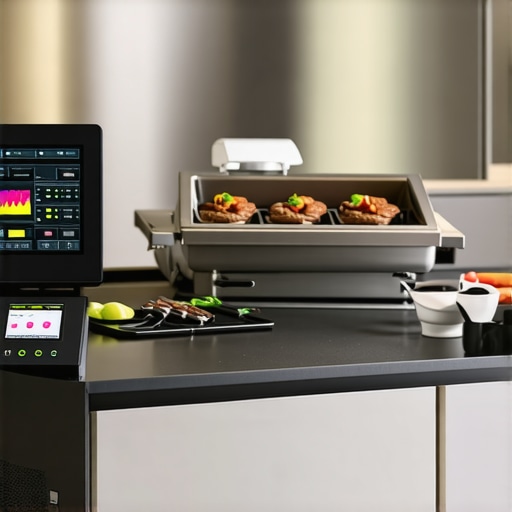
To ensure your catering operations run smoothly over the long haul, investing in the right tools and establishing effective maintenance routines is crucial. High-quality equipment can reduce downtime, improve service quality, and elevate guest experiences. One of my go-to pieces of equipment is the commercial-grade induction cooktop, which offers precise temperature controls and energy efficiency—key factors for maintaining consistent hot foods during large events. I personally rely on models like the Waring IRC2000 because of its durability and ease of cleaning, which minimizes operational hiccups.
For managing orders and logistics, I swear by Trello combined with Google Sheets. Trello keeps my team aligned on prep deadlines, while Sheets track inventory levels and supplier contacts. These digital tools help prevent miscommunication and forgotten supplies, saving valuable time during setup. I recommend customizing your sheets with conditional formatting to flag low stock automatically, ensuring you’re always prepared.
Maintenance of kitchen equipment is often overlooked until something breaks. Establishing a routine maintenance schedule can save money and prolong equipment lifespan. For instance, regularly descaling coffee machines with vinegar or specialized descaling agents prevents buildup that diminishes performance. I personally check and calibrate thermometers weekly and keep a log to track performance, which has significantly reduced unexpected breakdowns. For larger venues, investing in predictive maintenance tools helps identify potential failures before they happen.
Additionally, ensure your staff are trained to troubleshoot common issues. Quick fixes like resetting a faulty thermostat or unclogging a drain can prevent service delays. I often hold brief monthly workshops covering these basics, boosting team confidence and responsiveness.
Looking ahead, I believe smart kitchen technology will become more prevalent. IoT-connected appliances that monitor usage and alert you to potential problems could revolutionize maintenance routines. Imagine your oven notifying you when a heating element starts to fail—this predictive approach keeps service disruptions at bay. Implementing remote monitoring tools now, such as digital diagnostics systems, is a wise step toward future-proofing.
How can I maintain my catering tools over time?
Consistent maintenance and the right software support are vital. Regularly inspecting, cleaning, and calibrating your equipment prevents breakdowns and ensures top performance. Incorporate routine checks into your staff training, and use digital logs to keep track of maintenance schedules. For advanced setups, consider investing in IoT-enabled devices that can alert you proactively about issues—saving time and money in the long run. To start, try adopting a preventive maintenance checklist for your most critical appliances and see how it reduces downtime and improves service consistency.
Remember, preserving your tools isn’t just about fixing things when they break. It’s about creating a culture of ongoing care that sustains high standards over years. By combining top-tier equipment, smart management tools, and scheduled maintenance, you’ll keep your catering operation in prime condition, ready to impress at every event.
Lessons From the Frontlines That Changed My Perspective
One of the biggest revelations I faced was realizing that seemingly small details—like staff demeanor or plate placement—can profoundly influence guest experience. A mistake I often made early on was neglecting the power of seamless service flow, which could turn a good event into an unforgettable one. The lightbulb moment came when I witnessed a competitor’s flawless execution, highlighting the importance of every role, no matter how minor it seemed.
Another tough lesson was recognizing that overcomplicating menus often backfires. Simplification, combined with vibrant presentation, tends to impress more than an overstuffed platter. This taught me to prioritize quality over quantity, ensuring each dish resonates with modern trends without overwhelming the guest.
The third insight was about proactive maintenance and technology integration. Rushing to fix equipment during an event is costly; instead, investing in routine checks and IoT tools saves time and maintains professionalism. It dawned on me that embracing innovation isn’t just a trend but a necessity for staying ahead in 2026.
Tools and Resources That Elevate My Catering Game
To stay at the top, I rely on a curated set of tools that streamline operations and boost quality. Effective catering strategies serve as my foundation, providing industry-tested tactics that adapt to changing trends. I trust Trello for task management because its visual layout helps coordinate teams efficiently, especially during high-pressure setups. For equipment diagnostics, I lean on predictive maintenance tools—a game-changer for preventing costly breakdowns before they occur. Lastly, reading industry insights from top resources keeps me ahead of emerging trends and food innovations, ensuring my menus always excite and meet client expectations.
Empower Your Future with Bold Steps Today
Embarking on the journey to perfect your catering craft requires courage and a willingness to experiment. Remember, the catering landscape in 2026 demands agility, innovation, and attention to detail. Whether you’re refining your menu, upgrading your tech, or training your team, every step counts toward creating memorable events that stand out. Don’t hesitate—take that first step today and watch your success unfold. Share your biggest challenge in elevating your catering experience below, and let’s grow together!