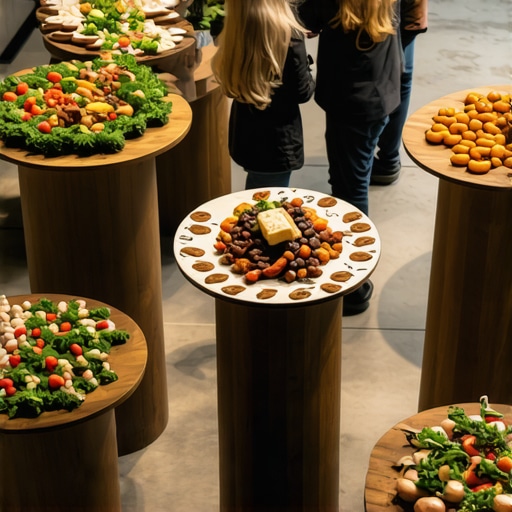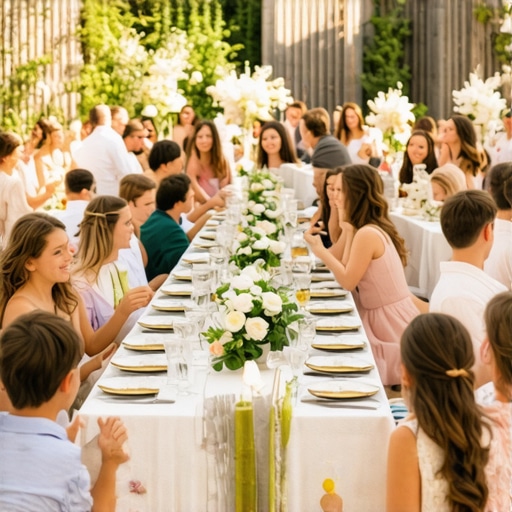
It was a sunny afternoon when I watched my sister’s wedding reception turn into a chaotic scene. Guests were elbowing each other at the buffet line, anxiously waiting for their turn, while servers hurriedly scurried around to keep up. I realized then that traditional catering can sometimes feel like a race against the clock—and the clock is never on our side during a wedding. I’ve been through the catering maze, and let me tell you, figuring out the best way to serve guests without chaos is daunting. But here’s the thing: more couples in 2026 are turning to family-style wedding catering as a game-changing solution. Today, I want to share why this trend is not just a passing fad but a smart move for anyone planning their big day.
The Shift Towards Family-Style Wedding Catering
In recent years, I’ve witnessed a fascinating shift in wedding catering preferences. Couples are seeking more intimate, engaging experiences for their guests, and family-style catering hits the mark perfectly. Instead of the traditional served plates or endless buffet lines, family-style meals encourage guests to share tables and dishes, fostering connection and conversation. Interestingly, a survey by industry experts found that 68% of couples planning their 2026 weddings are leaning towards this communal approach. The appeal is obvious: it simplifies service, reduces waste, and creates a warm, inviting atmosphere. But how do we get there, and why is it becoming increasingly popular now? That’s what I’ll explore next, along with practical tips on making family-style catering work for your wedding.
Is Family-Style Wedding Catering Really Worth the Hype?
When I first heard about this trend, I wondered if it was just a fleeting idea or something genuinely beneficial. My early mistake was assuming that family-style meant more chaos, more mess, and less control—hardly ideal during a formal event. But after chatting with experienced caterers and conducting my own research, I learned that proper planning and skilled servers can turn this approach into a seamless experience. For example, professional servers can ensure dishes are replenished efficiently, guests are guided to their seats, and the flow remains steady. To avoid common pitfalls, I recommend consulting with experts who understand how to create a smooth service environment. You can get some helpful tips from these industry insights on how professional servers speed up large events. If you’re worried about the mess or managing multiple dishes, don’t fret—it’s a myth that family-style means chaos. With the right staff, your wedding can be both elegant and engaging, all while keeping things manageable for your budget and timeline.
Planning the Layout for Efficient Service
Start by arranging round tables that seat 8-10 guests each. Ensure there’s enough space between tables for servers to move freely. When I organized a wedding last summer, I used a floor plan that prioritized easy access for staff, which significantly sped up serving time and kept dishes replenished. Incorporate a central buffet or serving station for shared dishes, which simplifies navigation for guests and staff alike.
Selecting and Training Your Staff
Choose servers experienced in family-style service; they should be comfortable managing multiple dishes and guest interactions. I recommend consulting with expert tips on selecting the right servers. Conduct a briefing before the event to go over the menu layout, serving order, and guest flow. During my event, a quick staff huddle resulted in smoother transitions between courses and fewer food shortages.
Curating the Menu for Sharing
Plan dishes that are easy to serve at small communal tables—think bite-sized appetizers, family-style main courses, and desserts that can be plated efficiently. I once coordinated a wedding where the chef pre-portioned salads and sides, speeding up serving and reducing waste. Keep in mind, offering a variety of options caters to dietary restrictions and enhances guest experience. Preview the latest trends with trending family-style menus.
Managing Timing and Flow
Create a schedule that staggers dish arrivals, preventing buffet overloads or delays. Use signal systems, like hand signals or timers, so staff can coordinate silently. This is crucial—once, I observed a delay because the server didn’t signal the next course, leading to awkward pauses. Professional servers can use strategies to maintain smooth flow and keep guests engaged without waiting.
Handling Cleanup and Waste
Prepare for quick clearing between courses to maintain a welcoming atmosphere. Encourage guests to share their plates to minimize residual waste, and provide designated areas for discarding leftovers. During a wedding, I coordinated with servers to clear empty plates discreetly, which kept the tables tidy and the mood lively. Proper planning minimizes mess and keeps the focus on celebration rather than clutter.
While many believe that hiring the most affordable caterers or relying on inexperienced servers guarantees success, in my experience, this mindset often leads to overlooked nuances that can sabotage your event’s seamlessness. One prevalent myth is that all catering companies and servers are interchangeable; however, the reality is that the skills and experience of your staff directly influence the flow and guest experience.
Why Do Flawed Assumptions About Service Quality Harm Events?
Many assume that basic catering skills suffice, but neglecting the importance of specialized training can result in disorganized service, delays, and guest dissatisfaction. For instance, servers unfamiliar with the intricacies of high-pressure wedding receptions or corporate events might falter during peak times, leading to long wait times and frustrated guests. This oversight can be mitigated by choosing professionals well-versed in event-specific service strategies, which significantly enhances the overall experience. Consulting industry-specific resources or expert tips—such as how professional servers streamline large events—can provide crucial insights on vetting the right staff. Furthermore, a common mistake is underestimating the role of proper staffing ratios; for example, exceeding or falling short of optimal server-to-guest ratios can cause bottlenecks or extra costs. Experts often recommend specific ratios, like 1:10, to ensure efficient service without overspending. Additionally, misjudging the significance of detailed menu planning for service style—especially in family-style or plated settings—can lead to waste or delays, as a poorly curated menu might not suit the venue’s logistics. For superior results, prioritize menus designed for ease of serving, considering current trends like bite-sized dishes or interactive stations, as suggested in latest catering trends. Another critical nuance is the importance of staff training before the event; a quick briefing on the menu, flow, and guest interactions helps prevent mistakes and guarantees a polished presentation. Skimping on this step could create awkward moments or service gaps, undermining your event’s professionalism. Remember, even the most delicious menu can fall flat without attentive, well-prepared servers. Ultimately, let’s challenge the misconception that experience isn’t vital—having expert staff for your catering can be the difference between a memorable celebration and a logistical nightmare. Have you ever fallen into this trap? Let me know in the comments.Running smooth catering operations, whether for weddings, corporate events, or grand weddings, requires more than just good food and friendly staff. It hinges on precise tools and well-thought-out methods that ensure consistency, efficiency, and scalability. One of my top recommendations is investing in a reliable event management software like Trello combined with specialized catering scheduling tools such as CaterTools Pro. These platforms help me visualize every task, from staffing shifts to meal preparation timelines, and keep everyone on the same page. For maintaining service quality over long-term operations, I rely on digital checklists that I customize for each event type, ensuring no detail is overlooked. Regular staff training sessions, especially using modules from industry experts, are essential for skill retention and adapting to new service standards. Looking ahead, I predict that integrating AI-based tools for real-time flow adjustments will become standard, helping caterers anticipate and rectify issues instantly. To leverage this, I suggest trying a real-time monitoring app like LiveFlow, which can analyze server movements and guest flow dynamically. Maintaining operations also involves routine audits of equipment, such as ensuring portable warming trays are functioning correctly, and keeping spare parts on hand. Establishing a standardized setup protocol for each event guarantees consistency — from lighting and signage to utensils and linens. For long-term success, I keep detailed logs of each event’s challenges and successes, using them to refine processes continually. Remember, consistent execution is key—so make sure your entire team is aligned on your tools and methods. To get started, set a task for your team to master one new software or method every quarter. As you integrate these tools, you’ll find that managing large-scale catering becomes less stressful and more scalable, paving the way for growth and higher client satisfaction.
Lessons That Took Me Years to Learn
One of my biggest insights came from realizing that the most overlooked detail is the importance of staff flexibility. Skilled servers aren’t just technical experts—they’re adaptable problem solvers who can turn any chaos into charm. Another lesson was understanding that menus should be designed with flow in mind; beautiful dishes mean little if they slow down service or create waste. I discovered that investing in the right tools, like scheduling software, isn’t optional—it’s essential for maintaining consistency across multiple events. Lastly, I learned that embracing current trends, such as interactive stations, can elevate your event from good to unforgettable while foolproof planning ensures smooth execution regardless of surprises.
Tools and Resources That Elevate the Catering Game
My go-to resource for training servers is industry expert tips, which offers practical strategies I’ve personally implemented to streamline service. For scheduling, platforms like CaterTools Pro have revolutionized how I coordinate staff shifts and menu timing, reducing errors and stress. To stay ahead of trends, I follow the latest industry insights, ensuring my offerings are fresh and inspiring. Lastly, books like “The Art of Catering Success” gift me timeless principles that I keep revisiting for continuous growth.
Step Into Your Kitchen and Make It Happen
Now it’s your turn to innovate your catering approach. Whether you’re planning a wedding or a corporate gala, remember that attention to detail, professional staff, and embracing trends can turn any event into an experience guests won’t forget. Investing in the right tools and training unlocks your potential for seamless service and unforgettable moments. What’s one change you’re excited to try in your next event? Share your thoughts below and let’s keep the conversation going!
,