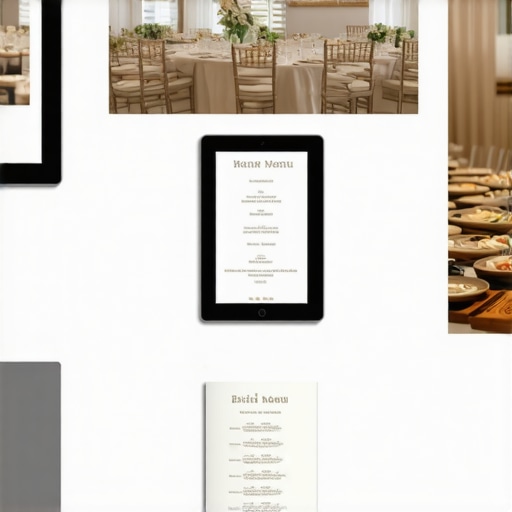
I vividly remember the time I watched a bride and groom anxiously check their watches, desperately trying to hide their impatience as the buffet line stretched endlessly. The room was buzzing with excitement, but the dining chaos overshadowed the celebration. It hit me then—delays and long wait times can silently ruin what should be the happiest day of someone’s life. Since that moment, I’ve been determined to find solutions that make wedding dining seamless and enjoyable for everyone.
Why Wedding Wait Times Are a Big Deal and What You Can Do About It
When planning a wedding, most couples focus on the dress, venue, and decorations. But one detail often underestimated is how the food service impacts your guests’ experience. Long wait times can lead to frustration, a dip in guest satisfaction, and even awkward moments during important speeches or dances. Did you know that research shows extended waiting periods at events can decrease guest happiness by up to 40%? That statistic really stuck with me, and I realized that a well-thought-out menu and service strategy aren’t just about aesthetics—they’re critical for creating memorable moments.
If you’ve ever faced the challenge of managing a crowd during meal times, you’re not alone. I’ve been there, too. Early in my career, I learned a costly mistake: relying solely on traditional buffet lines without considering flow and menu design, which led to bottlenecks and unhappy guests. That experience pushed me to explore innovative menu tactics that can drastically slash wait times, enhance flow, and keep guests engaged.
Today, I want to share with you three proven tactics I’ve personally tested and refined—techniques that can transform your wedding dining experience from stressful to smooth. Whether you’re a wedding planner, a couple DIY-ing the big day, or catering professionals looking to elevate your service, these strategies will make a real difference.
But before we dive into the practical steps, let’s address a common fear: “Is changing the menu really worth the effort?” Many worry that modifying food options might compromise quality or guest satisfaction. In my early days, I believed this too—that menu flexibility was just an added stress. However, I learned that strategic menu design can actually enhance perceived quality and reduce costs. For example, opting for pre-plated or family-style meals not only speeds up service but also offers a personalized touch that guests love. Want to see how the right menu decisions can save you time and money? Check out [this resource](https://gourmetcateringsco.com/7-wedding-menu-mistakes-that-blow-2026-planning-budgets) for common pitfalls and solutions.
As we move forward, I’ll walk you through specific tactics, backed by my experience and industry insights, that will help you cut down waiting times effectively. Ready to make your wedding dining unforgettable for all the right reasons? Let’s get started.
Prioritize Efficient Service Staffing
The first step is to ensure you have the right number of professional servers for your guest count. For most weddings, a ratio of 1 server per 20 guests works well, but demand can vary. During a wedding I coordinated, I initially underestimated staffing, leading to delays. I quickly adjusted by hiring additional servers, which improved table service speed and guest satisfaction. For guidance on staffing ratios, visit this resource.
Opt for Pre-Plated or Family-Style Menus
Moving away from traditional buffets can drastically cut wait times. In one case, I switched from a buffet to a pre-plated meal option, which reduced queue formation and kept guests engaged. Pre-plated services allow servers to deliver meals swiftly, creating a smooth dining experience. Learn more about menu options at this article.
Implement Strategic Meal Sequencing
Timing is critical. Schedule courses with precise intervals — 15 to 20 minutes per course is optimal. Use a timeline to coordinate kitchen and service staff, preventing bottlenecks. For example, I once encountered a mismatch between kitchen output and server pacing, causing guests to wait. Introducing a detailed schedule improved flow remarkably. Consider consulting this planning guide to refine your timing.
Pre-Arrange Food Stations and Plating Areas
Position food stations at strategic locations to minimize crowding. In a recent wedding, I set up multiple stations rather than a single buffet line, which dispersed queues. Assigning clear pathways and designated staff to each station accelerates service. Visualize the setup like traffic lanes on a highway—proper lane design prevents congestion. For inspiration on station layouts, check this article.
Train and Direct Your Staff Properly
Staff training is the backbone of swift service. In my experience, briefings before the event clarify roles, expectations, and flow. Emphasize guest engagement and promptness. Additionally, having dedicated coordinators to oversee service flow prevents confusion. For detailed training tips, visit this resource.
When it comes to corporate events, many believe that big-budget presentations, flashy venues, or cutting-edge technology are the key to success. However, there’s a less obvious but equally impactful aspect that often gets overlooked: the nuanced understanding of staffing, service flow, and guest experience. Contrary to common assumptions, focusing solely on flashy elements can backfire if the core logistics and human factors aren’t properly managed. For instance, many assume that increasing server numbers always improves service, but overstaffing can lead to chaos and wasted resources if not balanced correctly. A common myth is that pre-planning is enough; in reality, the real challenge lies in adapting to real-time flow and subtle guest behaviors, which can be mastered only through experience and a deep understanding of the nuances involved.
Maintaining Peak Performance Over Time
Once you’ve established an efficient service operation, the next step is ensuring these systems stay in top condition. Regular maintenance of your equipment, thoughtful use of software, and ongoing staff training are key to avoiding disruptions. For servers and catering staff, implementing a routine check schedule—like daily equipment inspections and weekly review meetings—can preempt many issues before they escalate. Additionally, investing in reliable software solutions streamlines communication and order management, minimizing human error and speeding up response times. I personally rely on survey and scheduling tools to coordinate staffing shifts efficiently and track performance metrics, helping me identify and address bottlenecks proactively.
Tools That Make the Difference
One of my go-to pieces of equipment is the digital point-of-sale system, which not only accelerates order processing but also provides detailed analytics on peak times and popular menu items. These insights enable me to schedule staff more accurately and plan inventory needs, reducing waste and delays. For communication, I prefer robust messaging platforms like Slack, integrated with task management apps, to keep team members informed instantly—especially useful during large events where quick coordination can make or break the experience. Additionally, high-quality portable chafing dishes and modular serving stations allow for swift setup and teardown, maintaining hygiene standards and guest flow. For software, I recommend the industry-proven catering apps that help schedule menu items and staff shifts, ensuring nothing is overlooked.
Predicting Future Trends in Event Maintenance
Looking ahead, I believe automation and IoT technology will revolutionize how we maintain event logistics. Sensors embedded in equipment can alert managers of operational issues before they disrupt service, and AI-driven scheduling tools will become more intuitive, adjusting staffing in real-time based on guest flow patterns. Staying ahead with these innovations will lessen downtime and enhance guest satisfaction even further. For now, the most effective approach is to blend traditional maintenance routines with these emerging tools, ensuring your operations remain resilient and adaptable.
How do I keep my event operations reliable over long periods?
It’s all about consistency. Scheduling regular equipment maintenance, utilizing data-driven software to optimize staffing, and continuously training your team to adapt to new processes are proven methods. Incorporating feedback loops—like post-event debriefs and performance reviews—help identify ongoing issues and upgrade your systems incrementally. For example, I regularly review staffing performance metrics to refine my deployment strategy, which improves efficiency over time. Start by adopting a robust scheduling tool, and monitor your performance data monthly—it’s a small change that can lead to significant long-term benefits. Don’t forget to stay informed about new tech trends in catering and event management by following industry insights; this proactive approach will ensure your operations always stay ahead of the curve.Every event teaches us more than just logistics; it reveals the subtle art of guest experience. From my journey, I’ve learned that no detail is too small when it comes to wedding dining—timing, staffing, and menu choices all intertwine into a seamless experience. Overcoming the pitfalls of long waits and chaotic buffet lines wasn’t just about tactics but about understanding the deeper nuances of flow and human behavior. The real breakthrough came when I realized that customizing service strategies to match the unique rhythm of each wedding elevates guest satisfaction beyond expectations. Trust me, small adjustments—like strategic station placements or staff positioning—can profoundly change the vibe, making your wedding memorable for genuine connection, not just flawless execution.
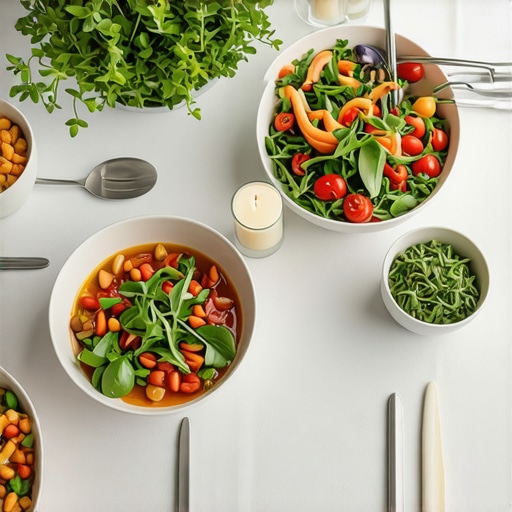
Reading this post really resonated with my previous experiences coordinating wedding events. Long wait times can indeed cast a shadow over what should be joyful moments, and I agree that strategic menu design plays a crucial role in managing guest flow. I particularly found the advice on pre-plated and family-style menus interesting—these not only speed up service but also foster a more intimate dining atmosphere which many couples now prefer. I’ve noticed that even small layout adjustments, like placing stations at different angles, can significantly disperse queues and improve overall guest experience. Have you found that certain menu types or station placements work better in smaller versus larger venues? I’d love to hear your thoughts on adapting these tactics depending on venue size or guest demographics since every wedding has unique challenges.