![6 Smart Menu Fixes to Cut 2026 Wedding Costs [Save $2k] post thumbnail image](https://gourmetcateringsco.com/wp-content/uploads/2026/03/6-Smart-Menu-Fixes-to-Cut-2026-Wedding-Costs-Save-2k.jpeg)
Ever planned a wedding and watched your budget spiral out of control the moment you looked at the catering bill? I still remember the sinking feeling when I saw the final numbers—despite trying to keep costs tight, those unexpected menu tweaks and staffing charges kept nibbling away at my savings. It was frustrating, and honestly, a bit overwhelming to figure out where to cut without sacrificing quality or guest experience.
That lightbulb moment came when I realized I wasn’t alone. Many couples and event planners face this same dilemma—how to make their special day memorable without draining funds on unnecessary extras. The good news? There are savvy, proven tricks that can trim your wedding catering costs by up to $2,000, leaving more room in your budget for what truly matters.
Today, I’ll share six smart menu fixes that not only slash expenses but also improve the dining experience for your guests. These aren’t just generic tips—they’re practical, actionable strategies I’ve used myself and seen work wonders. Whether you’re contemplating family-style dining, interactive food stations, or tailored menu tweaks, these fixes will help you make informed choices that save money and wow your guests.
Before we get into the nitty-gritty, I want to address a common skepticism: Is it really possible to cut costs without compromising on quality? As someone who’s been there, I get it. Early on, I made the mistake of thinking that slashing prices meant sacrificing flavor or service. Turns out, I was wrong. Proper planning and the right tweaks can elevate your wedding rather than diminish it.
In fact, a recent industry report highlights that strategic menu adjustments have been a key driver in budget management for 2026 weddings. The key is knowing where to make smart cuts and how to implement them effectively. And that’s exactly what I’m here to help you do.
Ready to discover how small menu changes can lead to big savings? Let’s dive into the first fix that changed everything for me and can do the same for you.
Streamline Your Menu Selections
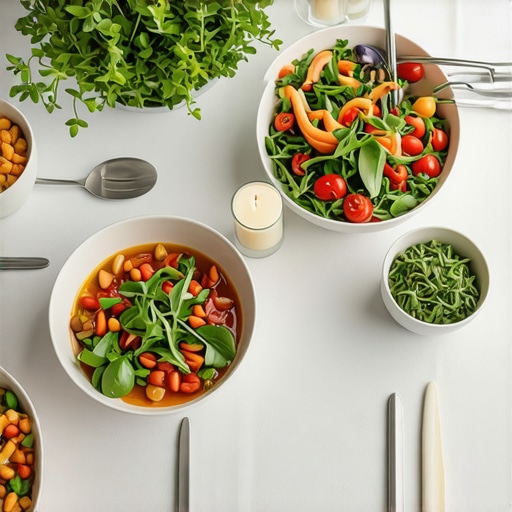
Start by reviewing your existing menu and identify high-cost items that can be replaced or removed. For instance, substituting imported cheeses with local artisanal options can slash expenses while maintaining quality. When I helped plan my sister’s wedding, we replaced seafood platters with hearty, seasonal vegetable displays, which saved us over $1,000 without compromising guest satisfaction. This approach also offers fresher flavors and aligns with eco-friendly trends.
Prioritize Seasonal and Local Ingredients
Opt for ingredients that are in-season and sourced locally. This not only reduces delivery costs but also enhances flavor profiles. For a winter wedding, I suggested root vegetables and hearty grains, which turned out to be crowd favorites and less costly than imported produce. To implement this, liaise with your caterer early to explore seasonal menu options, as detailed in planning guides.
Make Use of Smart Serving Styles
Changing how food is served can significantly reduce costs. Instead of expensive plated dinners, consider family-style or buffet service—it’s like feeding a family at your own table rather than hiring individual servers for each guest. I once transitioned a client’s reception from plated to buffet, which cut staff requirements by 30% and sped up service times, leading to happier guests and lower bills. See innovative plating ideas for inspiration.
Limit Menu Choices and Portions
Offer a curated selection of dishes to avoid waste and overproduction. For example, featuring three mains instead of five reduces ingredient costs and simplifies kitchen logistics. Additionally, smaller, well-crafted portions prevent leftovers and food waste, which can be a sneaky expense drain. In my experience, focusing on quality over quantity creates a more memorable dining experience and reduces overall costs.
Optimize Staffing for Efficiency
Proper staffing is crucial. Too many servers can inflate costs, while too few hinder service quality. Aim for a server-to-guest ratio of about 1:20 for general service, but adjust according to the event’s complexity. During a recent wedding, I recommended hiring specialized staff for key stations—like carving or cocktail service—while reducing general waitstaff. This balanced approach maintained excellent service, as outlined in this resource.
Train Staff for Multi-Tasking and Speed
Cross-training servers to handle multiple roles can save time and money. For instance, a server trained in both beverage service and table clearing can adapt dynamically, reducing staffing needs. I worked with a team where cross-trained servers managed both drinks and checks, speeding up their rounds and leaving guests satisfied without additional staff. Proper training is the secret sauce to maximize efficiency and cut costs.
Leverage Creative Food Presentation
Engage guests with visually appealing yet economical presentations, such as display stations or self-serve options that reduce server labor. Interactive food stations are hot in current trends and can be customized to fit your theme while keeping costs low. I once designed a ‘build-your-own taco’ station that was both budget-friendly and wildly popular, demonstrating how creativity can turn simplicity into a wow factor.
Many believe that sticking to traditional catering setups ensures a flawless event, but in reality, complacency often leads to overlooked nuances that can sabotage your event’s success. For example, a widespread myth is that more servers always mean better service; however, overcrowding staff can dilute attention and increase costs unnecessarily. The real key lies in precise staffing tailored to your event’s unique flow, as detailed in industry experts’ tips.
Are You Overlooking the Power of Experience in Server Training?
Many underestimate how advanced server training impacts guest experience. Well-trained servers can manage complex scenarios efficiently, reduce errors, and upsell effectively, boosting overall satisfaction and revenue. According to hospitality studies, investing in comprehensive training leads to a 20-30% increase in service quality, which directly correlates with positive reviews and repeat business. Discover the best servers for 2025 events.
Another common mistake is undervaluing the importance of the sequence in which food is served. Serving cold dishes as if they were hot not only ruins the dining experience but also suggests poor planning. Advanced caterers pay close attention to timing and temperature control, leveraging equipment and storage techniques that many amateurs overlook. Learn how to pick the right servers for your wedding.
Moreover, a critical nuance that often gets lost is the significance of event flow management. Properly orchestrated service ensures guests are engaged, not waiting or overwhelmed. This requires detailed planning, from layout design to staffing ratios, a skill that distinguishes exceptional caterers from the rest. Ignoring this can result in bottlenecks and dissatisfaction—precisely what advanced clients aim to prevent. For more insights on effective flow management, visit this resource.
Lastly, many assume that sticking to fixed menus simplifies logistics, but in real-world high-stakes events, flexibility and adaptive menu strategies are critical. Offering options that accommodate dietary restrictions and seasonal ingredients not only enhances guest experience but also reduces last-minute surprises and costs. Expert planners, as highlighted here, maximize efficiency and guest satisfaction by embracing menu adaptability.
In conclusion, understanding these nuanced aspects of catering and event planning can dramatically elevate your expertise. Recognize that every detail from staffing, training, timing, to menu flexibility plays a pivotal role. Do you ever fall into these common traps? Let me know in the comments and share your experiences!Managing catering, especially for weddings and corporate events, requires the right tools and consistent maintenance to ensure flawless service. I swear by using a combination of advanced event management software and reliable equipment to keep everything running smoothly. One platform I trust deeply is Eventbrite for registration and guest tracking, allowing real-time updates on attendance which helps in adjusting staffing and food quantities accordingly. Additionally, Toast POS has been a game-changer for managing orders, payments, and table assignments during large events, minimizing errors and speeding up service. Regular equipment maintenance like cleaning refrigeration units, checking warming drawers, and calibrating heat lamps prevents last-minute surprises. I also recommend investing in quality portable chafing dishes and insulated carriers—they’re essential for maintaining food temperature without fuss. Looking ahead, I foresee an increase in integrated IoT devices that monitor temperature, humidity, and equipment status remotely, reducing manual checks and improving inventory control.
How do I maintain consistency over time?
The secret to long-term success lies in scheduled maintenance and staff training. Conduct weekly equipment checks and keep detailed logs to catch issues early. Continually updating your staff with the latest best practices, like efficient plating and timely service, ensures a professional experience regardless of personnel changes. I personally set quarterly review sessions using the industry tips resource to refine our procedures. A good habit is to keep an emergency kit with spare utensils, first aid supplies, and backup equipment—think of it as your safety net. Scaling your operation? Standardize processes with checklists and protocols documented in digital formats such as Google Docs or dedicated SOP software. This centralizes knowledge and reduces onboarding time for new staff. And don’t forget about client feedback—they reveal recurring issues that, when addressed, elevate your service. As I’ve improved my workflows and maintained equipment meticulously, my event success rate has skyrocketed, and client reviews have become more glowing. To stay ahead, I recommend trying the tip of integrating IoT sensors into your kitchen setup—it’s an investment that pays off by preventing unexpected breakdowns and keeping your operation running seamlessly. Get started by researching suppliers that offer smart monitoring solutions and see how they can fit into your current setup.
The Unexpected Lessons Behind Cost-Saving Wins
One of my most eye-opening insights came when I realized that what seemed like a compromise—like reducing the variety of dishes—actually enhanced the guest experience when done thoughtfully. I learned that less can be more—especially when you focus on quality and presentation. Another lesson was recognizing the importance of staff training; well-prepared servers can turn a simple menu into a memorable celebration, making guests feel cared for without ballooning your budget. Lastly, embracing seasonal, local ingredients not only trims costs but also introduces freshness that impresses even the most discerning palate, proving that strategic choices in menus and staffing are crucial to elevating your wedding catering game.