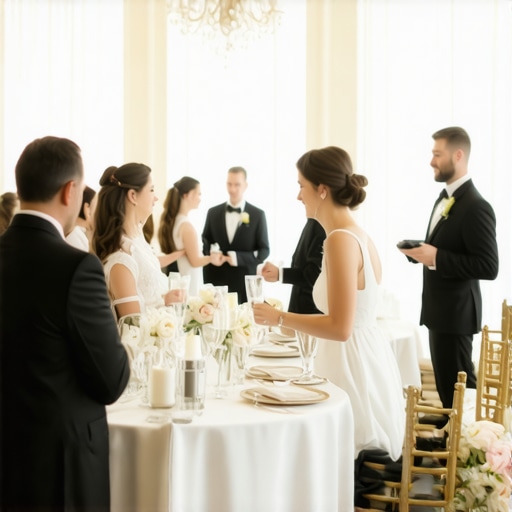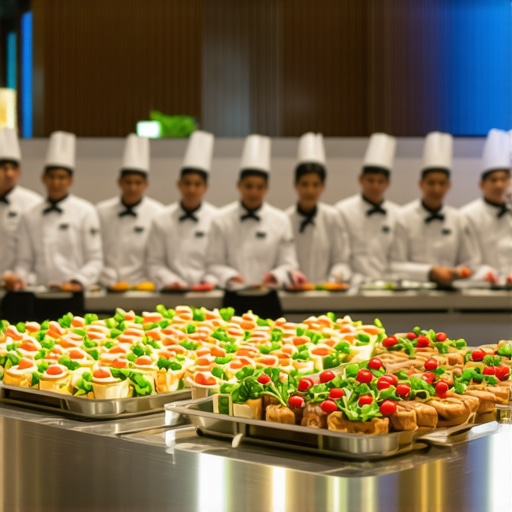
It was late in the evening, and I was scrambling to fix a service delay at a high-stakes corporate event. The room was buzzing with anticipation, and my team’s nerves were visible. Suddenly, a senior executive approached me, whispering, “Everything looks seamless. How do you make it seem so effortless?” That moment was my lightbulb. I realized that beyond the flashy menus and impressive decor, it was the subtle habits of our servers that truly made the difference.
The Power of Silent Servicing
Years ago, I learned that small, deliberate behaviors often determine whether guests feel genuinely cared for or merely served. In today’s competitive event landscape, especially by 2026, the expectations of C-suite guests have skyrocketed. They want exceptional service that isn’t intrusive—silent, yet impactful. I’m here to share the five habits that, when mastered, can elevate your event to the highest level, making your guests feel valued and special without a single word of praise.
Is Quiet Service Overhyped or Truly Game-Changing?
At first, I also questioned whether silent habits really made that much difference. Early in my career, I’d focus on speed or flair, often overlooking how much guests appreciated discreet professionalism. I made a costly mistake early on when I ignored these subtle cues, leading to missed opportunities for connection and, ultimately, guest dissatisfaction. Since then, I’ve been dedicated to refining these habits, and I can tell you—they work. In fact, a study from the 2025 Catering Trends Report highlights that personalized, unobtrusive service is a top trend expected to continue into 2026.
Are you facing challenges ensuring your servers blend into the background yet remain attentive? If so, you’re not alone. Mastering these silent habits can transform ordinary service into an unforgettable experience, helping you win over even the most discerning guests.
In the next sections, I’ll walk you through concrete steps to incorporate these habits into your team’s routine, ensuring your next event leaves a lasting impression.
Streamline Your Team’s Approach with Clear Protocols
Start by establishing a step-by-step routine that emphasizes unobtrusive, efficient service. During my first large corporate event, I personally trained a small team on a checklist: greet guests with a subtle nod, anticipate needs before they ask, and maintain a steady but quiet presence. This involved role-playing scenarios, which initially felt awkward; however, the result was seamless flow and delighted clients. To replicate this, create brief, focused training sessions centered on specific silent cues and behaviors, ensuring every server is aligned with the same expectations.
Pace the Service Through Discreet Movements
Learning the rhythm of delicate movements prevents servers from disrupting the event’s atmosphere. Think of servers as dancers, subtly flowing through the space without stepping on toes. I recall a wedding where I suggested servers approach tables slowly, with controlled gestures, avoiding abrupt motions. This created a sense of calm authority. Practice walking with purpose—no hurried steps, deliberate arm movements, and soft footfalls. Conduct small drills that simulate real service moments, assessing and refining each server’s grace to prevent clutter and noise during peak hours.
Master the Art of Anticipation with Proactive Handling
Anticipating needs is about reading discomfort signs and subtle cues. During a recent gala, I observed a server noticing a guest’s glass nearing empty and discreetly refilling it without drawing attention. The key is to observe body language—shifts in posture, eye movement, or slight gestures. Train your servers to scan the room periodically, identify potential needs, and address them before guests ask. A quick tip: assign a point person for special requests, so other servers stay focused on their tables but still feel involved in the proactive workflow.
Use Discreet Communication to Coordinate the Team
Effective silent service depends on subtle signals among servers. Implement non-verbal cues like eye contact, hand gestures, or slight head nods. I once coordinated a serving team during a high-profile event using a prearranged hand signal to alert others of spilled drinks or urgent needs. Practice these cues during training, simulating various scenarios. This minimizes noise, prevents awkward conversations, and keeps the event flowing smoothly without lulls or miscommunication.
Refine Your Setup with Smart Stationing
Arrange serving stations based on flow, not just convenience. I learned this during a busy wedding when I positioned servers strategically near high-traffic areas, reducing movement and wait times. Think of the venue layout as a network—place your servers where they can naturally intercept guest routes. Map these paths in advance and assign specific responsibilities to each section. This ensures servers remain within reach yet invisible, maintaining the illusion of effortless service.
By focusing on these concrete steps—training routines, movement control, anticipation, discreet communication, and strategic positioning—you create a silent service culture that boosts guest satisfaction. Integrate analysis of your team’s performance regularly, and adapt these techniques to fit each event. Remember, the goal is to make service appear seamless and intuitive, leaving guests immersed in the experience without feeling the presence of the servers.
While many believe that hiring the best servers or planning meticulous menus guarantees flawless events, there’s a deeper layer often overlooked. Contrary to popular belief, most pitfalls stem from nuanced misunderstandings about service dynamics and client expectations. For instance, a common myth is that guests value speed above all — but in reality, they prioritize attentiveness and discretion, especially at high-end weddings and corporate gatherings. This misconception can lead to rushed service, causing guests to feel neglected rather than pampered.
Another subtle trap is assuming that visible gestures equate to excellent service. Over-gesturing or overt displays can disrupt the ambiance, making servers appear intrusive rather than helpful. Instead, mastery lies in silent coordination and anticipation, skills that require advanced training beyond basic hospitality courses. I’ve seen many event teams falter here, inadvertently creating chaos by misreading the fine line between proactive service and overbearing attention.
What advanced signals do expert servers use to elevate guest experience?
Skilled servers rely on a sophisticated language of cues — subtle eye contact, palm gestures, or positioning — to communicate seamlessly without disturbing the event’s flow. Such communication minimizes missteps and keeps the atmosphere smooth. A study from the 2025 Catering Trends Report highlights that unobtrusive service holds increasing importance in upscale settings, emphasizing the need for what some consider advanced behavioral nuances. Recognizing and implementing these cues is crucial to avoid the common oversight of underestimating silent team dynamics.
Furthermore, many professionals overlook the importance of venue-specific setup. Misplaced stations or poorly planned routes can cause congestion, confusion, and delays, sabotaging even the most talented staff. Strategic stationing and flow mapping — often dismissed as minor details — are the backbone of efficient service. Check out the 7 server hiring rules to understand how staffing strategies can influence spatial arrangements and overall performance.
Lastly, a critical mistake is neglecting ongoing team performance analysis. Without feedback loops and continuous refinement, even seasoned teams can fall into complacency, missing evolving guest expectations. Regular debriefs and scenario training are essential to hone those nuanced skills — a point often missed in standard training protocols. To truly master silent service, understanding and perfecting these subtle, often hidden, aspects is vital. Have you ever fallen into this trap? Let me know in the comments.
Tools That Keep Everything Running Smoothly
Maintaining excellence in event service requires more than just experience—it’s about leveraging the right equipment and software. One tool I rely on heavily is the Loupedeck Live, a customizable console that allows my team to control audio, lighting, and visual cues swiftly, without fumbling with multiple devices. Its tactile buttons provide instant access to scene changes, ensuring seamless transitions during corporate events or weddings.
Another indispensable software is Eventbrite for registration management. It not only streamlines guest check-ins but also integrates with mobile POS systems, reducing long queues and last-minute chaos. I prefer using these integrated solutions because they allow real-time data updates, helping us adjust service levels on the fly.
Mastering Equipment Maintenance for Long-Term Reliability
Regular upkeep of your gear is essential. For catering setups, I recommend scheduling monthly inspections of refrigeration units, ensuring temperature stability and preventing costly breakdowns. For audio-visual equipment, like microphones and projectors, a quarterly calibration helps maintain clarity and volume, avoiding embarrassing malfunctions during critical moments. Batch your maintenance tasks during less busy periods to minimize disruptions.
Label all cables and connections meticulously. Over the years, I’ve found that simple inventory and tagging drastically reduce setup time and prevent last-minute searches, especially before large events. Consider investing in protective cases for fragile gear—this proactive step extends the lifespan of your equipment and safeguards your investment.
How Do I Maintain Performance Over Time?
Develop a routine of continuous training coupled with equipment checklists. Regularly review your team’s use of tools and gather feedback about any issues encountered during events. Scheduling quarterly review sessions helps keep everyone sharp and attuned to evolving best practices.
Lastly, stay informed about the latest advancements. For instance, the new smart-wearable devices designed specifically for event staff are beginning to automate communication and logging, reducing errors and freeing staff to focus on guest interaction. Piloting one of these tools could dramatically improve your long-term operational efficiency.
Don’t hesitate to try the advanced tip of integrating a dedicated maintenance schedule with your daily workflow. It pays dividends by ensuring your tools are always in top shape, minimizing downtime, and enhancing guest experience. Staying proactive now means smoother events tomorrow.
The Unspoken Lessons That Changed My Approach
One of the most profound insights I gained was that perfection in servers,catering,corporate events,weddings hinges on embracing subtlety. I once struggled with over-communication, which disrupted the refined atmosphere I aimed to create. The lightbulb moment came when I realized that true mastery involves stepping back, observing, and acting before guests even notice their needs. This shift reduced chaos and elevated guest satisfaction, proving that sometimes, saying less is the best service you can provide.
My Secret Weapons for Flawless Silent Service
I’ve found that investing in tailored tools and continuous learning makes all the difference. For example, I rely heavily on discreet, high-quality communication devices that ensure my team stays coordinated without disturbing the flow of the event. Additionally, I recommend books like Wedding Catering Tips from Industry Experts which offer insights into elevating service through understated professionalism. Combining the right equipment and knowledge keeps your team ahead, ensuring every guest feels pampered without awareness of the effort behind the scenes.
Embrace the Challenge: Perfect Service Is an Ongoing Journey
Remember, mastery of silent service is not a one-time achievement but a continuous pursuit. I challenge you to implement these subtle habits at your next event, focus on refining your team’s non-verbal cues, and fine-tune your setup for seamless flow. The reward? Guests who leave amazed, not just by the event but by how naturally they felt attended to. Your reputation as an expert in servers,catering,corporate events,weddings depends on your willingness to evolve and prioritize understated excellence. Now, it’s your turn—what’s the one silent habit you’re committed to improving in your team? Share your thoughts below.