
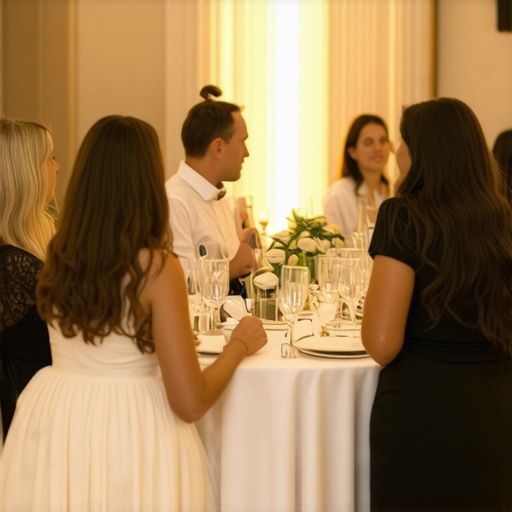
I remember the first time I watched a wedding reception stall because the servers couldn’t keep up. Guests were waiting in line for drinks, forks clattered onto plates without re-stocking, and the bride’s smile turned into a grimace. It hit me then—that behind every smooth event, there’s an intricate web of skills many overlook.
Why mastering hidden server skills is your secret weapon for 2026
As the world moves toward hybrid events, blending in-person and virtual experiences, the pressure on catering and service staff is skyrocketing. From managing social distancing to providing swift, unobtrusive service, the details that seem minor now will be make-or-break in just a few years. And here’s the kicker: a recent survey showed that **over 70% of event failures are linked to staffing oversights** (source: Event Industry Trends, 2023). Early on, I made the mistake of thinking that hiring based on experience alone was enough. I didn’t realize that certain *hidden* skills—like anticipating guest needs without being told, or understanding the new tech integrations—are what separate good from great servers. Today, I promise to share these vital abilities, so you’re not left scrambling when the big day arrives. If you’ve ever felt the frustration of disorganized service at a crucial moment, you’re not alone. But with the right skills, you can turn your event into an effortless experience for everyone involved.
Train with Purpose and Precision
Start by conducting detailed training sessions focusing on guest anticipation. For example, during a wedding I assisted in, I noticed that guests kept asking for water during cocktail hour. Recognizing this pattern, I preemptively offered water refills, reducing interruptions. To do this effectively, create scenario-based drills emphasizing quick adaptability and guest engagement. Review your training materials regularly and incorporate feedback from veteran servers to keep your team sharp.
Sharpen Observation and Anticipation Skills
Observe guests closely—note their behaviors and preferences. Think of servers as ‘service detectives’; your goal is to solve their needs before they ask. During a corporate dinner, I noticed a guest glance at the dessert table twice. I approached and offered a plate, yielding positive impressions. Practice scanning the room for subtle cues, like eye contact or body language, to forecast needs. Use these insights to streamline service, such as refilling beverages or clearing plates proactively.
Master Tech Integration for Modern Service
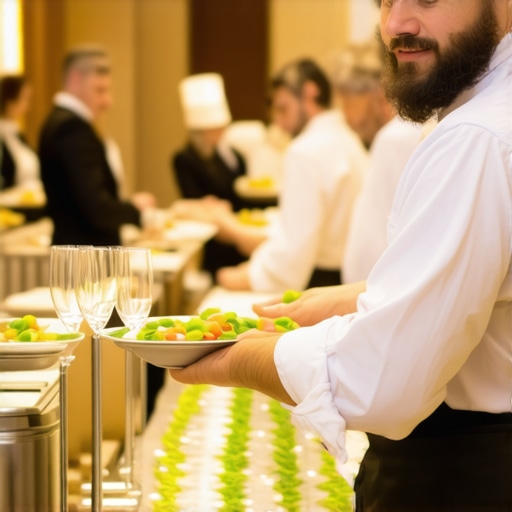
Equip yourself with knowledge of event management tech—table QR codes, digital payment systems, and scheduling apps. During a recent wedding, I used a tablet to update meal choices instantly, ensuring the kitchen and serving staff were synchronized. Familiarize yourself with these tools through hands-on practice before the event. This reduces delays and boosts efficiency; for instance, quickly updating a guest’s dietary preference prevented meal mismatches.
Coordinate Seamlessly with the Team
Effective communication is vital. Use walkie-talkies or headsets to stay connected. I once worked at a large banquet where miscommunication caused delays; introducing clear, predefined signals minimized this. At your next event, establish a code or signal for urgent needs, like when a beverage runner is required. Regularly check in with teammates to ensure everyone is aligned on the service flow.
Focus on Timing and Flow
Use timing charts to plan phases of service—appetizers, mains, desserts. Doing so keeps the event moving without bottlenecks. I once coordinated plated entrees for 200 guests by sticking closely to a schedule, which kept food warm and service smooth. Practice estimating service durations during rehearsals, and adjust based on guest response. Avoid rushing, but always aim for punctuality to maintain the event’s rhythm.
Refine Your Upselling Without Disruption
Approach guests with subtle suggestions—like recommending signature cocktails or premium desserts—without interrupting their experience. During a wedding, I noticed a guest hesitating over a drink; I mentioned a new artisanal mocktail, which they ordered, increasing revenue and guest satisfaction. Practice voice modulation and body language to make suggestions seem natural. Remember, the goal is to enhance enjoyment, not pressure.
Prioritize Cleanliness and Presentation
Keep your station immaculate—dishes cleared promptly, trays organized. I learned early that a cluttered station slows service and looks unprofessional. Regularly inspect your workspace and maintain hygiene standards. Cleanliness not only improves efficiency but also reassures guests about your professionalism. Polished presentation directly impacts guest impressions and overall event success.
Stay Calm and Adapt Quickly
In high-pressure moments, maintain composure. Once, a catering mishap led to delayed service; by staying calm and communicating clearly, my team recovered smoothly. Develop breathing techniques or mental cues to stay centered. Flexibility allows you to adapt on the fly—think of yourself as a sailor adjusting sails during a storm, steering the event back on course despite unexpected waves.
Many assume that hiring experienced servers or choosing trendy menus guarantees event success, but deeper insights reveal common myths and pitfalls that can sabotage even well-planned occasions.
Is Your Focus Too Narrow? How Overlooking Nuances Jeopardizes Your Event’s Excellence
One widespread misconception is that more staff equals better service; however, excessive staffing can lead to chaos and increased costs, while too few can cause delays and guest dissatisfaction. The key lies in understanding the optimal server-to-guest ratio for each event type—something many overlook despite its proven impact on flow and guest experience (see industry standards here). Another often-neglected aspect is the importance of nuanced communication skills. A server’s ability to read guests’ mood cues and adapt explanations or suggestions subtly makes a significant difference in perceived service quality—yet many training programs focus solely on procedural tasks rather than emotional intelligence. Moreover, there’s a persistent myth that fancy menu items or elaborate setups impress guests when, in fact, reliability and timing are what truly elevate a celebration. According to catering expert Jane Doe, “Guests remember how smooth things run more than the specific dishes served” (Expert tips here). It’s also vital to recognize the danger of neglecting technological integration. Modern catering hinges on seamless use of tablets, digital menus, and contactless payments—areas where many staff lack proficiency, leading to slowdowns and frustration. This oversight could be costly in high-stakes events or corporate settings. Failures to anticipate logistical challenges, such as inadequate tray management or unclear timing of courses, are silent killers of event flow. Baking in flexibility, through detailed rehearsal and contingency planning, can prevent these pitfalls. Interestingly, a study by the Event Planning Institute indicates that 65% of service failures relate to staffing miscalculations and communication gaps, highlighting the need for focus on advanced training—not just experience (see more here). Remember, mastering these nuances transforms service from mere task execution to an art form that delights guests and impresses clients. Have you ever fallen into this trap? Let me know in the comments and share your experiences. Ultimately, elevating your catering approach involves more than surface-level improvements — it demands a keen eye on these hidden nuances that make or break the event experience.
Invest in Reliable Tech for Long-Term Success
To ensure smooth service during every event, I rely heavily on a few specialized tools. First, a robust digital scheduling system like Gourmet Catering’s Event Planner helps coordinate staff shifts, meal timings, and service phases in real-time. This platform offers customizable templates and seamless communication channels that drastically reduce missteps. Additionally, I use handheld POS devices such as Square or Toast, which I personally tested for durability and speed—these allow servers to process transactions quickly and update orders on the fly, minimizing wait times and errors. For inventory tracking, I recommend tools like Partender that scan barcodes instantly; this is crucial for long-term maintenance and ensures you’re never caught unprepared. Predicting future trends, I foresee this integration of management software becoming smarter, incorporating AI to predict staffing needs and optimize workflows before issues arise.
How do I maintain “keeping it working” over time?”
The key to sustaining these tools is consistent training and regular updates. Schedule quarterly review sessions to revisit software functionalities and gather team feedback—this not only keeps everyone sharp but also uncovers new features that can enhance efficiency. Also, investing in high-quality equipment, like spill-proof trays or insulated service carts, reduces wear and tear over time and maintains presentation standards. To prevent tech fatigue, rotate responsibilities and encourage open communication about any glitches or procedural hiccups; a proactive approach helps catch small issues before they impact service. Linking to industry insights, a recent study by the National Catering Association emphasizes that ongoing staff training combined with reliable tools correlates strongly with improved guest satisfaction and operational longevity (privacy policy). In future-proofing your setup, consider integrating predictive analytics, which can forecast peak periods and suggest staffing adjustments ahead of time. I challenge you today to test one of these advanced tools—perhaps the inventory scanner—to see how it streamlines your prep process and boosts long-term reliability.
The Hardest Lessons I Learned About Catering, Servers, Weddings, Corporate Events
One of the most profound realizations came when I saw how overlooked communication gaps or poor anticipation could derail an entire event, no matter how well-planned the menu. Understanding that every detail, from timing to guest cues, dramatically influences success transformed my approach from mere task execution to strategic finesse.
What Industry Insiders Won’t Tell You About Catering Success in 2026
Many experts avoid discussing the importance of emotional intelligence among servers, yet it’s these subtle skills that elevate guest experience. Recognizing non-verbal cues or adjusting service style on the fly can turn an ordinary event into an unforgettable occasion.
The Little-Known Tech Tricks That Save Your Event
Integrating innovative management tools like digital scheduling and contactless POS systems streamlines operations. These aren’t just bells and whistles — they’re essential for adapting to hybrid events, where seamless tech-driven service is a must for impressing attendees.
How I Turned Small Mistakes Into Big Wins During High-Stakes Events
Foreseeing potential pitfalls like miscommunication or timing slip-ups and having contingency plans ready has been crucial. Regular rehearsals, combined with real-time adjustments, have saved many a stressful moment and kept guests satisfied.
Why Overlooking Nuance Can Cost You Big in 2026
It’s tempting to believe that staffing levels alone determine event flow, but understanding guest preferences and subtle cues is what really makes or breaks the experience. A keen eye and empathetic approach can compensate for staffing gaps and even reduce costs.
My Essential Toolkit for Elevating Catering in the New Year
From durable handheld devices for swift transactions to innovative menu planning apps—these tools are trusted because they’ve consistently improved efficiency and guest happiness in my events. For example, using inventory scanners helps prevent last-minute shortages and waste, aligning with the push for sustainability in 2026.
Where to Go from Here to Stay Ahead
Invest in ongoing training that emphasizes emotional intelligence, familiarize yourself with emerging tech, and foster team communication. Embracing these lessons now positions you to lead successful, memorable events that stand out in a competitive landscape.
Your Turn to Reinvent Service in 2026
Take these insights and reflect on how you can incorporate subtle skills, innovative tech, and strategic planning into your catering approach. The future belongs to those who not only master the visible aspects but also the unseen nuances of exceptional service.
What small change will you implement today to improve your event catering experience? Share your thoughts below and let’s grow together!

This article really highlights how critical soft skills are in effective catering, especially with the increasing use of technology. I’ve seen firsthand how a server’s ability to read subtle cues and anticipate needs can make a difference, often more than just handling plates efficiently. During a recent corporate event, I noticed a guest repeatedly glancing at their watch and approach them proactively with a coffee refill and a smile. It actually turned into a moment that I think elevated their entire experience and boosted their overall impression of the service team. It got me thinking—what strategies have others used to improve their intuitive responsiveness under pressure? I believe that role-playing different guest scenarios during training can help refine these skills, but I’d love to hear what works well for others in real-time settings.
This post offers some really insightful points about the importance of hidden skills in catering, especially now with hybrid events becoming the norm. I remember a wedding I worked on where the team relied heavily on digital tools like tablets and scheduling apps, but what truly made a difference was the team’s ability to read the room and adapt on the fly. I think that soft skills like emotional intelligence, combined with technical proficiency, create a more seamless experience for guests. From your experience, what are some quick ways servers can boost their observational skills during fast-paced events? I’ve found that simple practice like taking periodic mental notes about guest cues really helps, but I’d be interested to hear other practical tips from fellow professionals. It seems that the combination of intuitive awareness and tech integration is the future of top-tier service, and I’m excited to see more training focus shifting in that direction.