I’ll never forget the last wedding I coordinated where the buffet line stretched longer than the vows. Guests fidgeting, tired feet, and a slow-moving queue — it felt like the event’s vibe was draining faster than the champagne. As the coordinator, I watched real momentary frustration brew, realizing that traditional catering styles might no longer cut it in today’s wedding scene. That lightbulb moment hit me: if we want memorable, engaging receptions, we need to ditch the tired buffet and bring in something fresh.
Why Settling for Less When You Can Wow with a Charcuterie Wall?
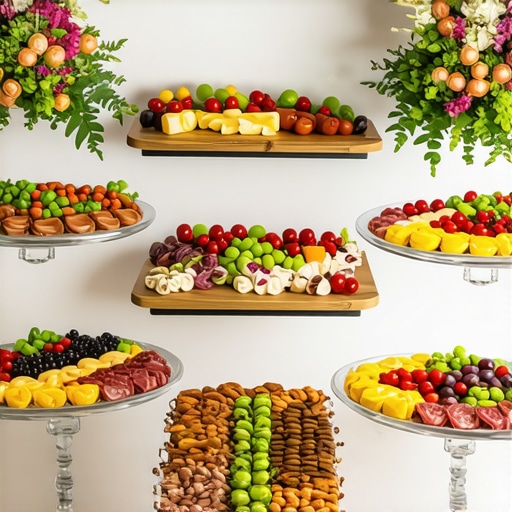
In 2026, couples are looking for ways to make their wedding stand out without breaking the bank or sacrificing guest experience. Enter the charcuterie wall—a stunning, customizable centerpiece that not only elevates your decor but also enhances mingling and enjoyment. Unlike standard buffet lines, these edible art pieces invite guests to browse, pick, and socialize. Whether you prefer a rustic look with wooden crates or sleek modern trays, the options are endless.
I’ve experimented with various setups over the years, and it’s clear the right display can turn a standard reception into an event guests rave about. Plus, these walls can incorporate local, seasonal flavors—making the experience even more memorable. Want to learn how to craft a charcuterie display that’s both beautiful and practical? Keep reading. We’ll cover five innovative ideas that guarantee your wedding will beat the buffet.
Is a Charcuterie Wall Just a Trend or Worth the Hype?
Early on, I made the mistake of thinking these walls were just a passing fad—until I saw how much guests engaged with them. They offer a tactile, interactive element that traditional tables lack. Plus, a well-designed wall reduces server costs and minimizes waste, saving money in the long run. I highly recommend checking out innovative catering ideas for modern weddings for more tips on elevating your event with unique presentation styles.
So, if you’re wondering whether a charcuterie wall is worth the effort, I say absolutely—especially when planned right. Let’s explore how to bring this trend to life in a way that fits your style and budget.
Plan Your Layout with Precision
Start by sketching your desired display on paper. I once approached a wedding with a haphazard layout, and it resulted in guests having to reach over each other. To avoid this, I suggest dividing your wall into sections: cheeses, cured meats, fresh fruits, nuts, and crackers. Use this blueprint to organize your table or wall setup.
Choose the Right Materials and Containers
Opt for sturdy trays, wooden panels, or wall-mounted boards that complement your wedding style. During a recent event, I used reclaimed wood for a rustic vibe, which received compliments from both the couple and guests. Ensure containers are food-safe and easy to replenish throughout the event.
Source Quality Ingredients and Local Flavors
Visit local farmers markets for seasonal cheeses and meats. For a wedding in Vermont, I curated Vermont cheddar and maple-glazed nuts, adding a regional touch that wowed guests. Incorporate variety in textures and flavors to keep the display engaging.
Stock Up without Overbuying
Estimate guest count and per-person servings, then add a 20% buffer for unexpected guests or last-minute appetites. I learned this the hard way when a miscalculation left some guests without their favorite salami. Use resources like waste reduction tips to optimize your ingredients.
Create Visual Interest with Height and Color
Use small stands or risers to add height variation. During a wedding in Napa, I stacked cheeses on apple crates, creating visual focal points. Color contrast—like vibrant berries against muted cheeses—makes the display pop and invites guests to explore.
Lighting and Decor Enhance the Appeal
String fairy lights or candles around the display to create warmth. In one event, dimming the lights slightly drew attention to the charcuterie wall and added ambiance.
Facilitate Guest Interaction and Accessibility
Place knives, picks, and small plates nearby. During a summer wedding, I set these accessories on the side, encouraging guests to freely customize their plates. Keep the setup at a comfortable height—around waist level—to prevent crowding and awkward reaching.
Coordinate with Your Catering Team
Work closely with your caterers or professional servers, such as those recommended at elevate your wedding with professional servers, to ensure smooth replenishment and safety. During one real event, timely restocking prevented empty spots, maintaining visual appeal and guest satisfaction.
Replenish and Refresh Throughout the Event
Assign a staff member or plan to check the display regularly. A well-maintained wall keeps guests engaged. I learned to set alarms on my phone for quick checks, preventing low-stock areas.
Even seasoned event planners often get caught up in the surface-level details of catering and staff management, but let’s dig deeper to uncover some nuanced pitfalls that can sabotage an event’s success. One common misconception is that hiring the most experienced servers guarantees flawless service—nothing could be further from the truth. Experience matters, but matching servers to the event type and guest expectations is crucial, as highlighted in how to select the right servers. Failing to do so often results in service mismatches, which can undermine guest experience. In addition, many overlook the importance of precise server-to-guest ratios. While 1:20 might be standard, high-end corporate events or high-profile weddings may require ratios as low as 1:10 to prevent long waits or rushed service, according to recent industry insights. Another sneaky trap is neglecting the fine print on catering contracts. Hidden fees, such as additional service charges or setup costs, can inflate your budget unexpectedly—reviewing hidden server fees can prevent nasty surprises. Moreover, there’s a myth that more servers always equal better service. Overstaffing can lead to awkwardness and waste, while understaffing causes slow responses. The key is strategic planning based on event size and style. Remember, the goal isn’t just about quantity but quality of service. Advanced planners also know that staff training on event-specific etiquette and timings can dramatically improve guest interactions, ensuring a seamless flow. Have you ever fallen into this trap? Let me know in the comments. Understanding these nuances helps you avoid costly missteps and elevates your event from ordinary to extraordinary.
Invest in Durable Equipment for Reliable Service
One of my top recommendations for maintaining seamless event operations is choosing high-quality, durable equipment. For instance, I personally rely on stainless steel chafing dishes and modular warming trays from brands like Cambro because they withstand regular use and transport, reducing breakdowns during critical service moments. Reliable equipment minimizes disruptions and keeps your catering flowing smoothly—especially important for large-scale events and weddings.
Harness Technology for Event Planning and Management
Leverage software like Trello or Asana to organize your staff schedules, menu timings, and contingency plans. I prefer Trello for its visual flexibility, which helps me assign specific tasks to team members and track progress in real-time. Using these tools ensures everyone is on the same page and reduces the risk of miscommunication—something that can be catastrophic at high-stakes events like corporate galas or upscale weddings.
Maintain Equipment Regularly to Prevent Failures
To keep your tools in top shape, implement a strict maintenance schedule. My routine includes daily checks of refrigeration units, cleaning and calibrating coffee machines, and inspecting portable heating elements. For example, I use a digital thermometer to verify fridge temperatures, adhering to guidelines outlined in industry-specific maintenance documentation. Staying proactive with maintenance prevents unexpected breakdowns, saving time and money in the long run, and ensures guest satisfaction remains high.
How do I keep my catering tools and servers working through the years?
Beyond routine maintenance, investing in modular, adaptable equipment allows for scaling and upgrading as your business grows. For instance, switching to stackable, easy-to-clean containers makes sanitation more straightforward and adapts to varied venue requirements. Additionally, training your staff on proper equipment use and care—perhaps through quick refresher courses or online modules—extends the lifespan of your tools and ensures consistent service quality.
Future Trends in Catering Equipment Maintenance
Looking ahead, I predict a shift towards smart, IoT-enabled kitchen devices that can alert you to issues before they happen. Integrating sensors and remote monitoring has already transformed other industries, and it’s only a matter of time before catering operations benefit similarly. This technology will not only forecast failures but also optimize energy use, leading to long-term cost savings and sustainability—a must in today’s eco-conscious marketplace.
So, take the plunge and start incorporating smart maintenance practices into your operations. For example, upgrading your refrigeration units to models with remote diagnostic capabilities can save you hours of troubleshooting and prevent spoilage. Little steps like these build a robust infrastructure that supports your servers, catering staff, and event planning efforts, ensuring flawless execution at every occasion.
Over the years, I’ve learned that catering isn’t just about serving food—it’s about creating moments and fostering connections that guests will remember long after the cake is cut. The key lies in attention to detail, innovative presentation, and preparing for unpredictable twists. Incorporating trends like charcuterie walls and interactive stations can elevate your event, but true mastery comes from a deep understanding of your team, equipment, and guests’ desires. This journey has taught me that blending creativity with strategic planning transforms ordinary receptions into extraordinary experiences.
What Gurus Keep Secret About Seamless Service
One profound lesson I stumbled upon is that experience alone doesn’t guarantee perfection—matching your servers’ skills and personalities to your event’s tone makes all the difference. A slip in service can overshadow even the most beautifully curated menus. I once hired a highly experienced team that lacked the finesse for a high-profile wedding, which led to awkward moments. Now, I prioritize personalized training and clear communication, ensuring everyone understands the event’s vibe and expectations. Sometimes, the smallest adjustments, like emphasizing silent service techniques (see how stealth skills matter), can make a huge difference.
Another insight is the importance of balanced staff-to-guest ratios; too few can cause delays, while too many might feel intrusive. I’ve observed that implementing adaptive staffing plans, responsive to real-time needs, streamlines flow and enhances guest experience. Investing in high-quality, durable equipment, such as reliable warming trays (see effective deployment tips), also reduces last-minute worries. The secret isn’t magic but meticulous preparation and trusting your team to adapt seamlessly under pressure.
Tools That Turn Catering From Good to Great
My arsenal of trusted resources includes industry-specific software like Trello for real-time coordination, which keeps everyone aligned and anticipates needs before they arise. For menu design inspiration, I turn to Gourmet Catering Co. articles and case studies, which I’ve found invaluable for adapting to evolving trends and guest preferences (stay ahead with trend insights). Books like “The Art of Wedding Catering” provide foundational knowledge, reinforcing the importance of both aesthetics and execution. Equipment-wise, investing in modular, maintenance-friendly tools ensures reliability, especially critical during high-stakes events.
Staying updated with innovations like IoT-enabled kitchen sensors promises to revolutionize maintenance and efficiency. Implementing preventive, smart maintenance not only saves costs but also guarantees peak performance, ultimately delighting guests and building your reputation. Remember, the little details—like a well-maintained chafing dish—can be the difference between a smooth event and a memorable mishap.
Are You Ready to Elevate Your Catering Game?
Stepping into the future of wedding catering calls for a blend of innovation, strategic planning, and heartfelt passion. By embracing creative presentation styles, optimizing staff and equipment, and continuously learning from industry leaders, you can craft experiences that resonate deeply with your guests and clients alike. Take the lessons learned from seasoned professionals and adapt them to your unique style—your next wedding could be the one everyone talks about for years to come.
What’s the biggest challenge you’ve faced in elevating your wedding catering, and how did you overcome it? Share your story in the comments below—let’s grow together!
![7 Budget-Friendly Menu Hacks for 2026 Weddings [Save $3k]](https://gourmetcateringsco.com/wp-content/uploads/2026/03/7-Budget-Friendly-Menu-Hacks-for-2026-Weddings-Save-3k.jpeg)
![6 Hidden Menu Fees That Blow 2026 Wedding Budgets [Fixed]](https://gourmetcateringsco.com/wp-content/uploads/2026/04/6-Hidden-Menu-Fees-That-Blow-2026-Wedding-Budgets-Fixed.jpeg)