

I stood there, holding my breath as the groom leaned in for that first kiss, only to realize the photographer was trapped behind a literal mountain of a floral arrangement on the other side of the aisle. It was a 50-person wedding—the kind people call ‘intimate’ or ‘manageable.’ I thought one pro was plenty. I was wrong. That single missed frame haunts that couple’s album to this day. We often think that a smaller guest list means less work, but in reality, it just means the stakes for every single shot are higher. Today, I’m going to show you why doubling up on your photography team is the smartest move you can make for a small wedding, even if it feels like overkill on paper. Have you ever worried that your most precious wedding moments might go uncaptured because your photographer was looking the other way? [IMAGE_PLACEHOLDER]
One Pair of Eyes Can’t Be Everywhere at Once
Years ago, I made the classic mistake of assuming that a smaller room meant a simpler job. I didn’t realize that in a tight-knit group, the ‘background’ moments are just as vital as the couple at the altar. While your lead photographer is focused on your walk down the aisle, who is capturing your mom’s lip quivering in the third row? If you’ve been wondering why your photographer wants you to do a first look, it’s usually because they are trying to maximize their time, but even then, a single person has physical limits. Having two people ensures that while one catches the grand gesture, the other catches the quiet tear. I’ve seen beautiful ceremonies where the trick to making a 200-person wedding feel like an intimate dinner worked perfectly, but the photos felt empty because they only showed the ‘main’ action.
Is a second photographer actually worth the extra cost?
This is the big hurdle for most of my neighbors. You’re already looking at the budget and thinking about the true cost of hiring a student photographer for your wedding versus a seasoned pro. You might fear you’re just paying for someone to stand around. However, data from the Professional Photographers of America (PPA) indicates that a second shooter isn’t just a backup; they are a different perspective entirely, often responsible for nearly 40% of the ‘candid’ shots that couples end up loving most in their final gallery. Have you ever felt like you had to choose between a photo of your cake and a photo of your best friend laughing at the bar? That’s the choice you’re making when you stick to a solo shooter. It’s not just about the number of photos; it’s about the coverage of the story.
Divide the Shot List to Conquer the Day
To make this work, you have to stop thinking of the second photographer as a ‘backup’ and start treating them as a specialist. In a small space, a single person moving around too much can actually be a distraction. I remember a wedding in a tiny 1920s library where the photographer was practically tripping over the guests to get a side angle. If you have two, they can stake out fixed positions. One handles the ‘safe’ shots—the kiss, the walk, the cake cut—while the other is free to take risks. This is similar to how optimizing server efficiency to enhance event satisfaction works; you don’t want everyone doing the same task. You want a zone defense. While the lead is capturing the grand entrance, the second is capturing the flower girl trying to eat a petal in the corner. 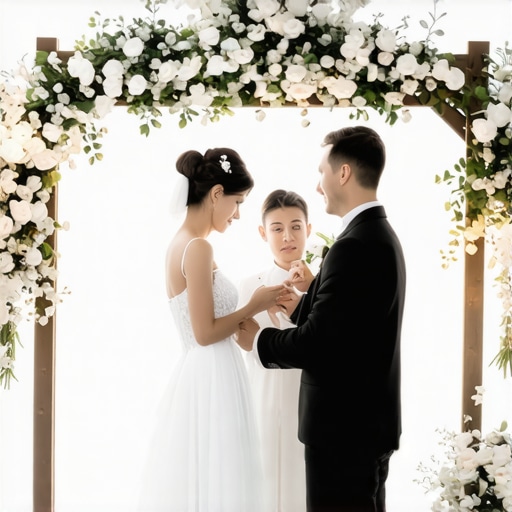
The Groom Deserves a Dedicated Lens Too
Often, the ‘getting ready’ portion of the day is lopsided. The bride gets three hours of coverage while the groom gets a few rushed shots of him tying his shoes. With a two-person team, one stays with each party. This allows for a much richer narrative. I once worked a wedding where the groom’s father gave him a vintage watch ten minutes before the ceremony. The lead photographer was already at the church with the bride. Because there was a second shooter, that raw, emotional exchange between father and son wasn’t lost to time. It’s about more than just quantity; it’s about presence. If you’re looking to elevate your wedding with professional servers, you understand that having a dedicated person for every role makes the experience feel seamless rather than scrambled.
Sync Your Team Like a High-End Kitchen
For this strategy to succeed, your photographers need to communicate like a well-oiled catering crew. Just as why your server team needs a clear chain of command on site is vital for a smooth dinner, your photography team needs a lead. They should be using different focal lengths to ensure variety. If the lead is using a tight lens for portraits, the second should be wide to capture the environment. Before you sign a contract, make sure you know how to vet a wedding photographers editing style for consistency. You don’t want the photos from one person looking like a moody film and the other looking like bright pop-art.
Don’t Forget the Technical Scouting
A second shooter can also act as a physical scout. While the lead is busy with family formals, the second can be checking why your wedding photos need a sunset scouting session or checking the light at the reception. I’ve seen ceremonies where the sun shifted unexpectedly, creating a harsh glare. A second shooter was able to adjust a reflector while the lead kept shooting, saving the entire set. If you’re also considering the benefit of hiring a dedicated wedding content creator, the second photographer becomes even more crucial as they can coordinate to ensure no one is standing in anyone else’s frame. It’s all about creating a choreography that respects the intimacy of the event while maximizing the output.Everyone tells you that a 1:10 server-to-guest ratio is the gold standard for luxury. In my experience, that’s often a recipe for a crowded, noisy floor unless you have a strict chain of command. I’ve seen 300-person galas run more smoothly with 20 elite professionals than with 50 untrained temporary workers. The ‘more is better’ myth often leads to what I call the ‘server huddle’—where staff congregate in corners because they haven’t been given specific zones or clear direction. Instead of just adding bodies, the hidden benefit of hiring a lead server for every ten guests is that it creates instant accountability. It’s not about the number of hands in the room; it’s about the brain directing them. When the hierarchy is flat, the service becomes reactive rather than proactive, and that is where mistakes happen. 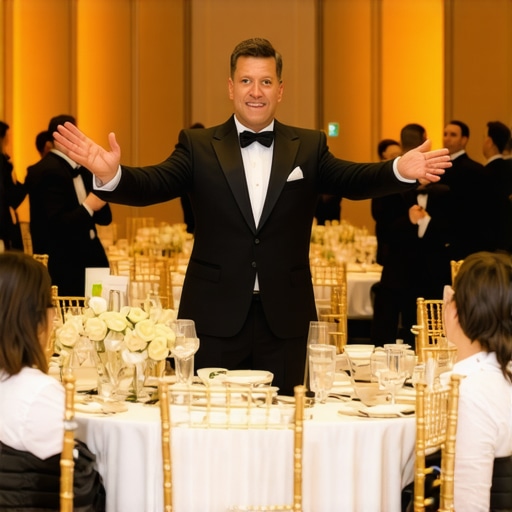
Your Waitstaff Shouldn’t Drown Out the Guest of Honor
The biggest ‘oops’ I see even seasoned planners make is ignoring the acoustic footprint of the service staff. You spend thousands on a state-of-the-art sound system but forget that the clinking of silverware, the heavy footsteps of a hurried server, and the swinging of kitchen doors are the natural enemies of a perfect speech. This is why learning how to keep the kitchen noise from ruining your keynote speech should be on your checklist from the very first site visit. Research from the Cornell School of Hotel Administration suggests that guests’ perception of food quality and service is actually tied to their auditory environment—if the room feels chaotic and loud, the meal literally tastes worse to them. High-end service should be seen and not heard. If your staff is clattering plates during a moment of silence, you haven’t hired a service team; you’ve hired a distraction.
How do you manage plate clearing during a seated executive presentation without breaking the room’s focus?
This is where the ‘ninja’ aspect of elite hospitality comes into play. You need to master how to handle plate clearing during a seated executive presentation by timing the movements to the speaker’s natural transitions. A professional team knows to never clear a plate during a punchline, a moment of tension, or a critical pivot point in a slide deck. If you’ve ever seen a server reach across a CEO mid-sentence, you’ve witnessed a fundamental failure in training. To avoid this, you should boost your corporate event with expert server techniques like the ‘synchronized sweep’—a non-verbal cue from the captain that indicates the entire room should be cleared in one silent, unified motion during a 30-second video clip or a planned break. This level of choreography is why why white glove service is making a comeback in luxury galas; it’s about respect for the program. Have you ever fallen into this trap where the service felt like it was competing with the stage? Let me know in the comments.I’ve spent the better part of a decade trying to find the magic bullet for scaling high-end service without the quality dropping off a cliff. What I’ve learned is that human memory is a terrible filing cabinet. I’ve moved away from paper binders entirely, opting for a digital ‘Live Floor Plan’ that my captains can update on their tablets in real-time. This is how we actually implement effective catering strategies for corporate event impressiveness. If a guest at table 14 has a sudden allergy, it’s updated in the cloud instantly, not whispered across a noisy kitchen. My personal favorite tool for this is AllSeated, specifically because of its VR walkthrough feature. It lets me see if I’ve made the mistake of ignoring why your event floor plan needs wider aisles for mobility access before a single table is actually placed. 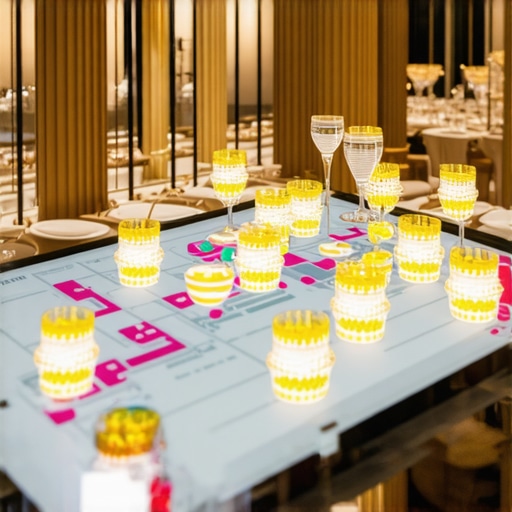
Stop Guessing and Start Scripting Your Briefings
The biggest drain on your results isn’t the staff’s lack of skill; it’s the lack of specific information at the start of the shift. I now use a five-minute ‘Rapid Fire’ briefing method. Instead of a long speech, we use digital flashcards to show how to brief your server team on complex dietary restrictions in minutes. We test them on the ingredients of the night’s specials before they hit the floor. According to BizBash’s latest industry report on event technology, teams that utilize real-time collaborative briefing tools see a 22% reduction in service errors compared to those using traditional printed BEOs (Banquet Event Orders). This isn’t just about being tech-savvy; it’s about creating a safety net for your reputation.
How do I maintain consistent staff performance over time?
The secret to long-term results is building a ‘Service Bible’ that isn’t a dusty book, but a living video library. Every time we master a new technique, like boost your corporate event with expert server techniques for French service, we film a 30-second POV video. When we scale for a massive gala, new hires can watch these on their phones during transit. This is the only way to ensure that why your server team needs a designated captain for every 50 guests actually works in practice—the captains become coaches of a pre-trained squad rather than teachers of a raw one.
The Shift Toward Predictive Hospitality
I predict that within the next three years, we won’t just be reacting to guest needs; we’ll be using sensor-based data to predict them. We are already seeing ‘smart’ buffet hardware that alerts staff when temperatures dip before the food actually gets cold, which is a massive leap for corporate event catering strategies for success. This tech takes the ‘maintenance’ out of the server’s hands and lets them focus entirely on the guest’s experience. If you want to stay ahead of the curve, I challenge you to try one thing at your next event: Record your pre-event briefing and listen to it later. Did you give actionable instructions, or just platitudes? Transitioning to specific, data-driven commands is the first step to scaling excellence.
Hard Truths from a Decade on the Floor
After managing hundreds of high-stakes evenings, I’ve realized that the most dangerous phrase in event planning is ‘we have enough people.’ It’s never about the raw count; it’s about the capability of the individual. I’ve learned that a single untrained person in a tuxedo can do more damage to your reputation than a power outage. One of my hardest lessons was realizing that you can’t just throw bodies at a problem. You need to know how to spot a server who has not been trained in french service before they touch a single plate. These top server tips to elevate your event experience aren’t just suggestions; they are the baseline for survival in luxury hospitality. One person looking left while the other looks right is the only way to guarantee the full story is told.
[IMAGE_PLACEHOLDER_E]
My Personal Kit for High-Stakes Logistics
I don’t walk into a venue without a specific set of resources that I’ve vetted over the years. First, I always keep a digital copy of the Professional Photographers of America (PPA) standard guidelines to ensure our shooters are aligned on deliverables. For layout management, AllSeated is non-negotiable for visualizing the flow of traffic and avoiding bottleneck disasters. I also highly recommend the BizBash industry reports for anyone mastering corporate event planning secrets to seamless success. These tools provide the data-backed confidence you need when a client asks for a last-minute change. I trust these because they prioritize the guest’s physical experience over just ‘looking good’ on a paper contract.
The Path to Flawless Execution
At the end of the day, your event is a living, breathing story. Whether you are planning the ultimate wedding reception meal or a high-pressure board meeting, the goal is the same: peace of mind. By investing in a second photographer and an elite service hierarchy, you aren’t just buying insurance; you are buying the freedom to actually enjoy your own event. Don’t be afraid to demand higher standards from your vendors. Excellence is a choice made in the planning phase, not a miracle that happens on the night of. Have you ever experienced an event where the staff noise became a distraction during a big speech? Let me know your stories in the comments below.