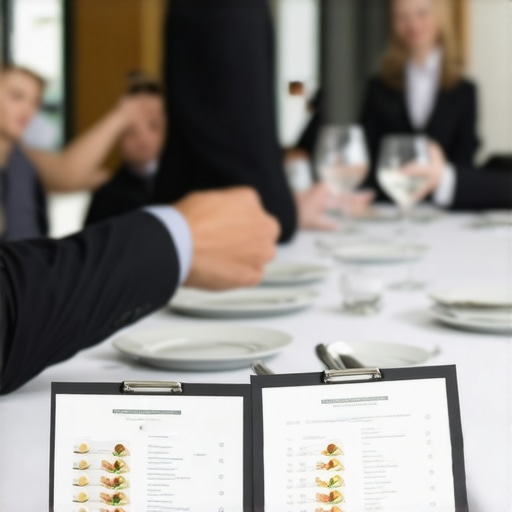
It was a hectic Friday afternoon when I realized I had completely missed the mark with a major corporate client. The event was almost over, and my carefully curated menu sat untouched, while the client looked disappointed. That moment hit me like a freight train—my standard offerings just weren’t cutting it anymore. Over the years, I’ve seen how catering trends evolve, and 2026 is shaping up to be a game-changer, especially in the realm of custom menus. But why does this matter so much right now? Well, in our fast-paced, experience-driven world, clients are craving more than just food—they want personalization, authenticity, and memorable moments. And I promise, understanding this shift can transform your approach and skyrockets your success.
The Power Shift: Why Personalized Menus Seal the Deal
Traditionally, catering was about providing a set menu that fit the event and budget. Simple, predictable, reliable. But today, clients are eager for unique experiences that reflect their brand or personal story. They want menus tailored specifically to their tastes, dietary needs, and the event’s vibe. This isn’t just about food; it’s about crafting an experience that resonates.
Through my personal journey, I recall a wedding I catered last year. Instead of offering standard options, we collaborated closely with the couple to design a bespoke menu that involved the local farmers’ market and highlighted their shared passion for sustainability. The result? Guests raved about how memorable and authentic the dining experience was. That event became a turning point for my business, proving that custom menus not only elevate the guest experience but also close more B2B deals.
What’s driving this change? A recent report notes that 78% of consumers prefer personalized experiences over generic ones, which includes catering choices [source: Forbes]. This shift means that standing out with a creative, customized menu can be your best strategy for winning new clients and building loyalty.
But here’s the catch—early on, I fell into the trap of offering cookie-cutter menus, thinking quality was enough. It wasn’t. I learned the hard way that clients want to feel valued and understood. That’s why investing time in understanding their vision and crafting custom solutions is critical.
Are you facing challenges convincing clients to opt for personalized catering packages? If so, don’t worry. In the next sections, I’ll share practical steps and insights to help you create compelling custom menus that close deals in 2026 and beyond. Together, we’ll unravel the secrets to turning your catering service into an experience your clients can’t resist.
Crafting Unique Menus That Resonate
Start by conducting detailed client consultations to understand their vision, dietary restrictions, and event theme. Use open-ended questions to uncover their preferences and story behind the event. For instance, I once worked with a tech startup hosting a product launch; by asking about their company’s values, I customized a menu featuring local, sustainable ingredients that reflected their innovation ethos.
Develop a Client-Centric Menu Framework
Create flexible templates that can be easily tailored. Include options for dietary needs, cultural preferences, and signature dishes. This allows quick customization and demonstrates your attentiveness. When a corporate client requested gluten-free, vegan, and ethnic options, I leveraged this structure to streamline planning and delivered a diverse, personalized menu that earned repeat business.
Aligning Service Teams for Seamless Delivery
Meticulous staffing is crucial. Select servers who are adaptable and trained to handle specific client expectations. Think of your team as the orchestra conducting a symphony; each member must be in sync to deliver harmony. I once partnered with top servers for a seamless wedding to ensure flawless execution.
Select the Right Servers
Evaluate candidates based on their experience with personalized service, capacity for problem-solving, and cultural sensitivity. This selection process is like choosing the right spices—each must complement the main dish to enhance the overall flavor. Use specific assessments to identify those who thrive under pressure and can adapt to unique client requests.
Designing Memorable Presentation Styles
Visual appeal is as important as taste. Incorporate themes, color coordination, and innovative plating to match client branding or event ambiance. During an upscale corporate event, I employed modern minimalist plating with metallic accents that aligned perfectly with the client’s sleek branding. This not only impressed guests but also reinforced the corporate identity.
Implement Creative Presentation Techniques
Leverage techniques like food stacking, interactive stations, and themed decor to elevate the dining experience. For a careers fair, I designed a station resembling a library with edible Many professionals operate under the assumption that flawless execution is solely about logistics and aesthetics, but in my experience, there’s a deeper nuance many overlook. For instance, a prevalent myth suggests that hiring the most experienced servers guarantees guest satisfaction. While experience matters, what truly influences success is adaptability and understanding of client expectations. In fact, many make the mistake of undervaluing the importance of personalized service, which can make or break an event. According to industry expert insights, tailored service not only enhances guest experience but also builds lasting trust, especially in high-stakes settings like corporate events or weddings. Overlooking this nuance can result in stiff, impersonal interactions that leave guests feeling disconnected, despite the event’s visual perfection.
How can servers adapt seamlessly in high-pressure scenarios without compromising quality?
My tip is to invest in comprehensive training that emphasizes emotional intelligence and problem-solving skills. Pros like those detailed at effective wedding catering strategies show that anticipating client needs and mental agility are key differentiators. Another common mistake is assuming that a beautifully presented menu is enough; the real magic lies in understanding dietary restrictions and cultural preferences, which often go unnoticed. This oversight can alienate guests and diminish the event’s success. So, constantly update your knowledge base and communicate proactively with clients. Additionally, many underestimate the power of behind-the-scenes coordination. During catering, the smallest misalignment—like timing or staff positioning—can ripple into guest dissatisfaction. To avoid this, I recommend thorough pre-event rehearsals and clear role assignments, as outlined in corporate event catering strategies for success. From my years in the industry, I’ve observed that executing with finesse often hinges on mastering these hidden nuances. Remember, the devil is in the details. Have you ever fallen into this trap? Let me know in the comments, and let’s explore how to elevate your next event.
Maintaining high standards in catering, especially for weddings and corporate events, requires the right set of tools and systems. From reliable hardware to smart software, having a well-curated toolkit can make a significant difference in ensuring smooth operations and unforgettable guest experiences.
Invest in Quality Communication Devices
Clear and instant communication among your team is crucial. I personally swear by handheld radios with noise-canceling headsets, like the Motorola CLS1110 series. They offer reliable, crystal-clear audio and minimize background noise, which is vital during busy service moments. Using quality communication gear helps prevent missteps and keeps everyone synchronized, especially when scaling up for larger events.
Leverage Event Management Software for Precision
Digital tools like Gather or Caterease streamline planning, menu customization, and real-time updates. I regularly use Gather because it offers an intuitive interface that allows me to coordinate menus, staffing, and timelines efficiently. The ability to see everything in one dashboard reduces the risk of oversights and helps in quick adaptability if changes occur unexpectedly. As I predict the industry moving forward, integrating AI-driven scheduling and predictive analytics will further optimize event planning, saving time and resources.
Optimize Kitchen Operations with Smart Equipment
High-quality appliances such as sous-vide cookers and blast chillers ensure food is cooked precisely and stays fresh during transport. My preference is the PolyScience Sous Vide Precision Cooker, which provides consistent results and can be controlled remotely. This minimizes waste and guarantees that dishes are served at optimal temperature, elevating guest satisfaction. Incorporating IoT-connected kitchen devices will become even more critical as automation advances, making long-term management more efficient.
Plan for Long-Term Maintenance and Upgrades
Regularly servicing your equipment and updating software is vital to prevent failures during critical moments. Set a maintenance schedule for appliances and check updates for your event management platforms monthly. A proactive approach can extend the lifespan of your tools and ensure you always operate with the latest features and security improvements.
How do I maintain my catering tools and systems over time? The key lies in consistent upkeep, staying informed about new technology, and training your staff to utilize these resources effectively. Additionally, building relationships with vendors ensures quick support and potential upgrades when needed. Remember, the caliber of your tools directly impacts your service quality, so investing in reliable, scalable solutions is non-negotiable.
For example, professional servers, like those detailed here, can be upgraded via advanced training tools and performance monitoring apps, ensuring they deliver personalized service consistently. Embrace these tools now, and you’ll set the stage for long-term success in the competitive catering industry.
Don’t hesitate to try implementing smart equipment or management software into your next event—small upgrades can lead to big results. Staying ahead of technology trends will give you a competitive edge as the industry evolves towards more automation and data-driven decision-making.
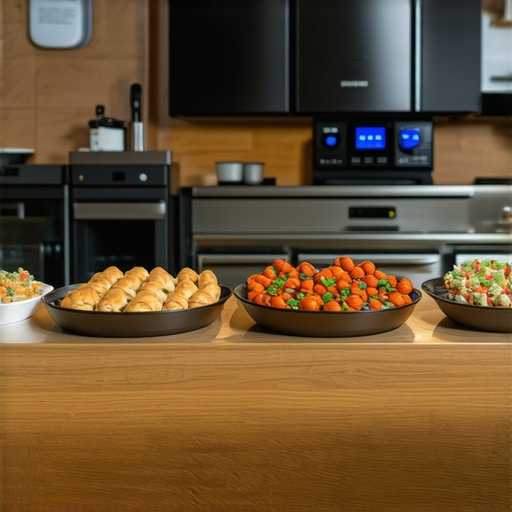
The Hidden Lessons That Transformed My Catering Approach
One eye-opening realization came when I understood that genuine personalization isn’t just a selling point—it’s the cornerstone of memorable experiences. I once assumed that great food alone could wow guests, but over time, I learned that truly connecting with client stories and preferences creates loyalty that endures. Another profound lesson was the importance of adaptability; no matter how well-planned, every event holds surprises. Embracing these surprises with a positive attitude and quick thinking elevated my service quality. Lastly, I discovered that investing in my team’s emotional intelligence, not just their technical skills, is what sets excellent catering apart. This deeper understanding of human connection has been my most valuable insight in creating unforgettable events.
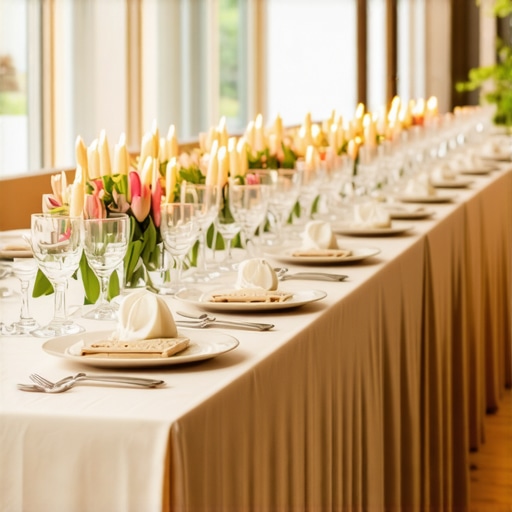
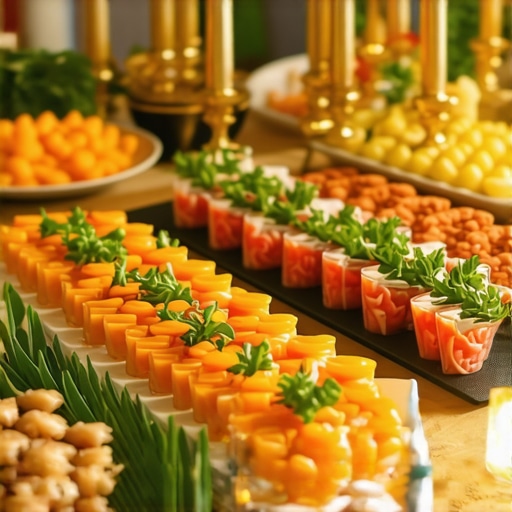
Reading this post really resonated with me. I’ve noticed that clients today are increasingly seeking personalized and authentic experiences, especially as corporate events become more about brand storytelling and emotional connections rather than just the logistics of food service. I once worked with a client who emphasized sustainability and local sourcing; by designing a menu that highlighted regional ingredients and shared their company’s commitment to eco-friendly practices, we created an engagement that went beyond just catering and became part of their branding. That event resulted in multiple referrals and ongoing partnerships. It makes me wonder, how do others balance the time and resources needed to craft such bespoke menus with the existing operational demands? Do you find that personalization efforts pay off more during certain types of events or with specific client segments? It seems that investing in understanding these nuances can really set a catering business apart in this competitive landscape.