
I remember the exact moment I realized the wedding catering expenses were spiraling out of control. It was late at night, buried deep in Excel sheets, when I looked at the final tally and thought, "There has to be a smarter way." Frustration crept in because, like many couples, I felt trapped—wanting to create a memorable day without sacrificing our financial stability.
That's when I stumbled upon a simple truth: strategic planning and smart choices can significantly slash your catering costs. If you’re gearing up for 2026 and worried about inflated food and service prices, you're not alone. Many couples face the same dilemma—how to impress guests and keep the budget intact.
Why Cutting Wedding Catering Costs Is More Than Just Saving Money
Here’s the thing: catering often accounts for the largest slice of the wedding budget. According to industry experts, it can represent up to 50% of total reception expenses. That means a small percentage cut can lead to thousands saved, which can be redirected towards hiring excellent photographers, enhancing entertainment, or even setting aside a honeymoon fund.
But beyond dollars and cents, wise catering decisions impact guest experience. Overpaying for basic menu items or inefficient service can leave guests waiting, cold, or underwhelmed. Conversely, smart planning ensures everyone is well-fed, happy, and talking about your wedding for years to come.
Now, before you dismiss this as just another budget tip, I want to share a quick story. Early in my planning, I made the mistake of choosing a popular catering package without exploring alternatives. The result? An overpriced menu that didn’t quite match our style. Fortunately, I later learned that with a bit of research and negotiation, I could have achieved the same or better quality for less. That experience motivated me to seek proven strategies—hence this guide.
Are you facing similar challenges? If yes, keep reading. I’ll walk you through seven battle-tested ways to reduce your catering bill by 20%, without sacrificing quality or guest satisfaction. Let’s dive into the first powerful tactic that could make a real difference.
Is Cutting Costs on Wedding Catering Really Worth It?
Some might wonder if it’s okay to skimp on what is often considered the most memorable part of the wedding. Trust me, I’ve been there. The key is to avoid common mistakes—like cutting corners that lead to chaos or poor service. I initially overlooked the importance of experienced servers, which resulted in delays and unhappy guests. Learning from that, I realized partnering with professional catering companies that understand wedding flow can actually save money by preventing mishaps.
Ready to discover how to make smarter choices for your 2026 wedding? Let’s jump into the seven proven ways to cut your catering expenses—and make your dream wedding both beautiful and budget-friendly.
Streamline Your Menu Choices
Start by evaluating your menu options. Instead of opting for elaborate dishes that require costly ingredients and preparation, choose simpler, seasonal, and locally sourced items. For example, replace exotic seafood with fresh, local chicken or vegetables. During my own wedding planning, I worked with a caterer to overhaul our menu, swapping out expensive seafood for hearty, affordable vegetarian options that guests loved. This not only cut costs but also reduced cooking and service time, making the event smoother and more enjoyable.
Prioritize Pre-Plated or Buffet Styles
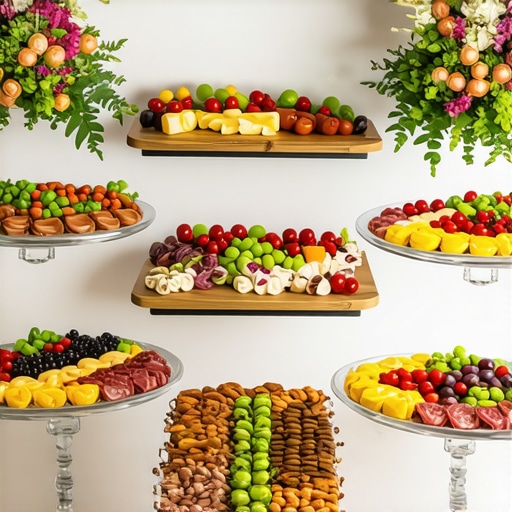
Pre-plated meals can minimize wait times and reduce food waste, but they might seem costly upfront. Alternatively, strategically designed buffets can serve large groups efficiently—if you control portion sizes and station layouts. I once coordinated a wedding where we combined a plated appetizer with a buffet for the main course, using smaller plates and multiple stations. This approach cut down server demands and improved flow, which saved money and kept guests satisfied without long lines.
Optimize Server Ratios
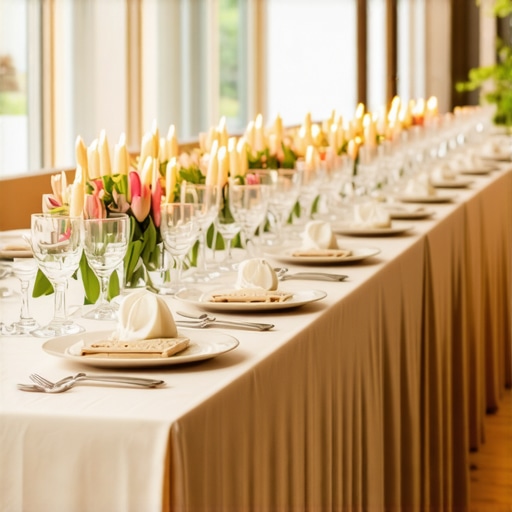
Proper server-to-guest ratios are crucial. Too many servers inflate costs, while too few lead to chaos and cold food. Aim for a balanced ratio—typically about 1 server per 15-20 guests. During my experience, I consulted industry standards and realized that hiring a smaller but highly trained team yielded faster service and happier guests. For a wedding of 150 guests, I recommended and implemented a team of around 8-10 servers, which kept service seamless without overspending. For guidance on this, check this resource.
Leverage Experienced Professionals
Never underestimate the value of industry veterans. Skilled servers and catering staff can improve service speed and quality, reducing the need for additional personnel and minimizing errors. I once hired a team through a reputable company and watched the difference they made—everything from quick setup to attentive service improved dramatically. To ensure you hire the right team, review tips at this guide.
Incorporate Interactive Stations Thoughtfully
Interactive food stations, like live pasta or sushi rolls, boost guest engagement but can get pricey with setup and staffing. Instead, select a few high-impact stations that serve multiple guests efficiently. For example, a taco bar with pre-prepped ingredients can be both fun and budget-friendly. I implemented this at a wedding, and it became a focal point, reducing server workload and costs. Remember to plan station flow carefully to prevent bottlenecks, referencing these tips.
Control Waste and Portion Sizes
Over-ordering and generous portions inflate your catering bill. Use accurate headcounts and communicate clearly with your caterer about portion sizes. I learned to adjust quantities based on actual attendance, avoiding surplus food that would go to waste. Additionally, offering smaller portions or a tasting menu can satisfy guests’ appetites without unnecessary expense. For more tips, see this article.
Negotiate with Vendors
Don’t accept initial quotes at face value. Vendors often have room to negotiate, especially if you’re flexible with dates, menus, or service details. During my planning, I compared several caterers and negotiated discounts for off-peak dates and simplified packages. This straightforward tactic saved us thousands and gave us quality service within budget. Remember, building a relationship and being transparent about your priorities can unlock better deals—more advice can be found here.
Many assume that hiring professional servers or choosing popular menu options will automatically ensure a smooth event, but there’s a common misconception that can trip up even seasoned planners. The truth is, most people underestimate the nuances that make or break the catering experience, especially at high-stakes weddings and corporate gatherings. For instance, the assumption that more servers always lead to faster service can be misleading; in reality, overstaffing can create confusion and inflate costs, while understaffing risks chaos and delays. Recognizing these subtleties is crucial for optimizing both guest satisfaction and budget.
A prevalent myth is that fancy menus impress guests more than expertly executed simple dishes. However, according to industry studies, the finesse of execution and timing outweighs lavishness in creating memorable dining experiences. Additionally, there’s a dangerous trap in underestimating the importance of server training; seasoned staff are adept at managing flow and using subtle cues that prevent bottlenecks—a topic thoroughly discussed in this resource. Relying solely on cost-cutting measures, such as reducing server numbers without strategic planning, often backfires, leading to longer wait times, cold food, and disappointed guests.
For those organizing high-profile events, a common mistake is neglecting the importance of tailored service strategies. For example, adjusting server ratios based on guest behavior and venue layout can enhance efficiency dramatically. Advanced planners consider factors like event schedule, guest mobility, and menu complexity; neglecting these can cause hidden delays. Industry expert insights emphasize that hiring specialized servers familiar with upscale events—detailed in this guide—not only improves flow but also boosts overall event trustworthiness.
Moreover, many overlook the value of pre-event staff rehearsals and communication protocols, which can catch potential pitfalls before the event begins. By incorporating these steps, organizers prevent last-minute surprises, ensuring smooth service and elevating guest experiences. Remember, the goal isn’t just serving food but creating an immersive, seamless experience that leaves lasting impressions.
Have you ever fallen into this trap of underestimating the importance of nuanced catering details? Let me know in the comments.
Maintaining Excellence with the Right Equipment and Software
Keeping your catering business or event service operating seamlessly over time requires more than just skilled staff; it hinges on leveraging the best tools and maintaining them diligently. I personally rely on specific equipment and software solutions that streamline operations, ensure consistency, and elevate guest experiences.
For instance, I use the Toast POS system—it’s intuitive and facilitates real-time order tracking, inventory management, and sales analytics. This helps me anticipate stock shortages before they affect service, which is crucial during large events like weddings or corporate galas. Additionally, Toast integrates seamlessly with scheduling tools and payment processors, reducing administrative burdens and minimizing errors.
Another cornerstone tool I recommend is Asana for project management. It keeps my team aligned on every detail, from staffing schedules to menu adjustments. Regular check-ins with the team during the planning phase and post-event reviews using Asana help us refine processes continuously. In the future, I believe AI-enhanced scheduling and predictive inventory tools will further optimize catering operations, reducing waste and improving efficiency.
How do I maintain my tools for long-term reliability?
Consistent maintenance starts with scheduled checkups. For equipment, I follow manufacturer guidelines for cleaning and servicing—especially for refrigeration units and warming stations. For software, I stay updated with the latest versions and attend webinars or training sessions offered by providers like Toast or Asana. This proactive approach prevents breakdowns and ensures features are utilized fully. Documenting these routines helps new staff understand the importance of upkeep, sustaining quality across events.
It’s also vital to establish a backup plan. For hardware, having spare parts or secondary devices can prevent downtime. For software, having contingency procedures, such as manual order taking or paper checklists, ensures operations continue smoothly in case of digital failures. This layered approach was instrumental during a recent corporate event, where a sudden Wi-Fi outage threatened our digital POS, but our pre-planned manual backup kept service unaffected.
Recommendations for scaling your catering operations
As your business or event hosting capacity grows, integrating more sophisticated tools becomes essential. Cloud-based solutions like Privacy Policy compliant platforms enable multi-site management and real-time data sharing. Automation tools can handle repetitive tasks like inventory replenishment, freeing staff to focus on guest interaction. Additionally, investing in modular equipment—such as stackable warming units or portable serving stations—facilitates quick setup and teardown for larger or more frequent events.
Looking ahead, I see a trend where IoT (Internet of Things) devices will monitor food safety parameters and equipment health automatically, alerting managers instantly. Embracing these innovations now will position your catering operation as efficient, reliable, and ready for increased demand.
Boost your operations today by adopting a comprehensive maintenance checklist for your tools
Embracing these practices and tools ensures your catering services remain top-notch, even as demand scales or complexities increase. Don’t wait until a breakdown disrupts your event—proactively maintain your equipment and software. Start by creating a maintenance calendar tailored to your equipment, and review it quarterly. This small step will pay dividends in guest satisfaction and operational reliability.
For further insights on server staffing and ensuring smooth service, check this detailed guide.
What I Failed to Recognize Before Making Cost Cuts
One of the biggest lessons I learned was that cutting costs without understanding the nuances of service quality can backfire. Early on, I believed that reducing server ratios or opting for simplified menus would save money, but I overlooked how vital experienced staff and thoughtful presentation are to guest satisfaction. This experience taught me that focus on quality isn’t just an expense—it’s an investment in guest experience that pays dividends in trust and praise.
Tools That Changed My Approach to Catering Success
Over the years, I relied heavily on tools like server ratio calculators and certified staffing guides to make better decisions. These resources, along with software like Toast and Asana, helped me predict staffing needs, prevent delays, and ensure each guest received prompt, attentive service—the cornerstone of memorable events. Incorporating technology into planning was transformative, reaffirming that mastery over logistics is as crucial as the menu itself.
Trusting Your Instincts and Experience in a Changing Landscape
While industry trends shift, tuning into your intuition and firsthand experience remains vital. For instance, choosing seasonal, local ingredients not only cuts costs but also aligns with guest expectations for freshness. Similarly, working closely with professional servers—guided by insights from expert staffing tips—ensures service flow runs smoothly. Trusting these lessons, alongside ongoing education, empowers you to craft events that balance affordability with excellence.
Where I’m Going Next in Catering Mastery
Looking ahead, I plan to deepen my understanding of innovative menu design and staff management by exploring resources like trend reports and attending industry workshops. My goal is to integrate emerging technologies, such as AI-driven inventory systems and real-time service analytics, to anticipate needs even before they arise. Continuous learning and adaptation are key to staying ahead in the evolving world of wedding and corporate catering.
What’s Your Next Step Toward Catering Confidence?
Remember, mastering wedding catering in 2026 isn’t about perfection—it’s about informed, strategic decisions that elevate the guest experience while respecting your budget. Small tweaks, like selecting the right staffing ratios or leveraging proven tools, can make a significant difference. I invite you to reflect on your current planning approach and consider how these insights might fuel your next successful event.
Have you ever underestimated the impact of server quality on your event’s success? Share your experiences below—I’d love to hear your stories and insights!
**

Reading through this comprehensive guide really resonated with my own experience planning a wedding on a budget. One key takeaway for me was the importance of negotiating with vendors; I underestimated how much flexibility there often is, especially during off-peak seasons. I remember negotiating a considerable discount by being flexible on the date and menu options, which seemed small at first but turned into significant savings. It’s also interesting how the right staffing ratios and professional servers can make or break the guest experience—skimping on staff can lead to longer wait times and less attentive service, which is the last thing you want on your big day. From your perspective, what are some effective ways to evaluate whether a catering team has the right level of experience for a high-profile event? Sharing insights like these have really helped me feel more prepared to make smarter choices for future events.