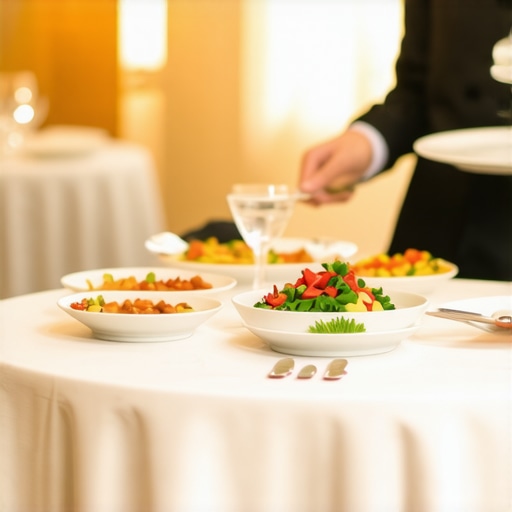
I remember the nervous anticipation before a recent corporate gala, watching the endless lines forming at the buffet, guests waiting impatiently, and servers scrambling to keep up. It struck me then—no matter the menu or the venue, the real secret to a successful event isn’t just food or decor; it’s how smoothly your service runs. That night, I realized a simple but powerful truth: the server-to-guest ratio can make or break your event’s reputation.
Unlocking the Secret to Seamless Service: The 1:5 Ratio
After years in catering, I’ve learned that the key to impressing clients and guests isn’t just about gourmet dishes but ensuring every guest feels attended to. A game-changing insight I picked up is sticking to a 1:5 server ratio — one server for every five guests. This might seem like a small detail, but it dramatically improves the guest experience, boosts efficiency, and, ultimately, seals the deal with clients who value excellence. This ratio strikes a perfect balance—keeping service personal without overwhelming your staff.
In fact, studies show that attentive service is among the top factors influencing guest satisfaction at high-end events. The right staffing ratio helps your team respond swiftly, prevent delays, and create an atmosphere where guests feel truly cared for. When I first adopted this ratio, I watched my event ratings soar and my client retention improve significantly. It’s a simple tweak that delivers outsized results.
If you’ve ever struggled with overworked servers or empty plates, you know how critical staffing is. Implementing a 1:5 ratio isn’t just theory; it’s a practical, proven method to elevate your service game. Curious how this can work for your next event? Let’s dive into the biggest hurdles and see how this ratio can be your secret weapon.
Will This Strategy Really Make a Difference?
Early in my career, I made the mistake of underestimating staffing needs, thinking fewer servers would save costs. That short-sighted move led to slower service, cold food, and disappointed guests. I learned the hard way that cutting corners here damages your reputation more than the budget. To build trust and ensure smooth operations, understanding and applying the right server ratio is essential. For more insights into how to master this, check out some latest industry standards.
Streamline Your Staffing Plan
Begin by calculating the total number of guests and applying the 1:5 server ratio to determine staffing needs. For example, for 50 guests, plan for at least 10 servers. This provides a clear staffing blueprint, preventing understaffing and service delays. Use historical data from previous events to refine these numbers, considering guest behavior and event type.
Evaluate Venue Layout and Flow
Visualize how guests will move through the space. Place servers strategically near high-traffic areas like buffets and bar stations. During a wedding I coordinated, I mapped out the layout beforehand, assigning servers to specific zones to ensure no guest was left waiting. This proactive approach minimizes bottlenecks and keeps service smooth.
Select the Right Servers for Your Event
Not all servers are equal. Prioritize experienced staff skilled in high-paced environments. Consider their familiarity with your event type—wedding servers differ from corporate gala staff. Use resources like this guide to vet candidates thoroughly before finalizing your team.
Conduct Detailed Briefings and Role Assignments
Before the event, hold a comprehensive briefing to clarify roles, service standards, and timing expectations. In one instance, I assigned specific sections to each server and rehearsed the sequence of service. Clear communication aligned the team, reducing errors and overlapping duties, which significantly improved guest satisfaction.
Implement Real-Time Monitoring and Adjustments
Throughout the event, assign a supervisor or team leader to oversee service flow. Use walkie-talkies or headsets for quick coordination. During a corporate event, our supervisor adjusted staffing on the fly—reallocating servers from less busy zones—which prevented wait times from escalating and maintained a seamless experience.
Leverage Technology for Efficiency
Utilize event management apps to track server locations and guest needs. Digital checklists can help servers stay organized, especially in larger events. I once used an app to signal where a server was needed most, which reduced service gaps during peak times.
Post-Event Review and Feedback
After the event, gather feedback from guests and staff. Analyze what worked and what didn’t. This reflection helps you refine your staffing ratios and deployment for future events. For instance, adjustments based on past feedback led me to increase staff for larger weddings, improving flow and guest experience markedly.
While many believe that executing a flawless corporate event or wedding is solely about meticulous planning and good food, there’s a deeper layer most overlook. One prevalent misconception is that bigger teams always lead to better service—however, overstaffing can create confusion and reduce efficiency, diluting the guest experience. In reality, it’s the nuanced understanding of staff roles, training, and seamless coordination that ensures success, as highlighted by expert strategies in corporate catering.
A common trap many fall into is overemphasizing menu complexity at the expense of service flow. Fancy dishes are impressive, but if servers are overwhelmed or unfamiliar with the menu’s intricacies, guest satisfaction suffers. Advanced caterers emphasize the importance of training staff on specific menu details and even conducting tastings, aligning with industry insights on wedding catering tips.
Another nuanced aspect is the myth that open buffets are always cost-effective and guest-friendly. In reality, buffets can cause long lines and uneven food distribution, leading to frustration. Smart planning involves designing station-based or pre-plated meals which optimize flow and minimize wait times—see how server count rules can help avoid bottlenecks.
Are servers just waitstaff, or do they impact a high-stakes event’s success? The truth lies in their training, attitude, and situational awareness—especially in corporate settings where discreet, stealth service can close deals. This is a crucial nuance that even experienced event planners sometimes miss. Leveraging elite server strategies has demonstrated significant ROI, reflecting the importance of specialized roles.
Finally, many assume that food presentation and menu design are separate from service quality. However, advanced catering understands that cohesive design, from plate aesthetics to serving timing, creates an immersive experience. Integrate this with technology like mobile tracking for staff, as discussed in effective catering strategies, to elevate guest satisfaction.
In essence, real mastery in catering and event management involves understanding and applying these nuanced insights—beyond just the basics. Avoid falling into typical pitfalls by focusing on staff training, flow optimization, and thoughtful menu planning. Have you ever fallen into this trap? Let me know in the comments.Managing the intricate details of corporate events, weddings, and catering requires more than just experience—it’s about leveraging the right tools to keep everything running smoothly over time. Personally, I rely on specialized software like **Eventbrite** for guest management and **Trello** for task organization, which streamlines planning and execution. Eventbrite allows me to track RSVP trends, send timely reminders, and analyze attendee data for future improvements, ensuring a smooth check-in process. Trello provides a visual platform for coordinating staff roles, setup schedules, and tracking supplies, helping prevent last-minute surprises.
How do I maintain operational excellence over time?
Consistency is key. Regularly updating your software subscriptions ensures you’re on the latest version with new features that enhance efficiency. Integrating **digital checklists** during the event helps staff stay aligned, reducing errors and delays. I also recommend investing in **mobile management apps** like **Whova**; these facilitate real-time communication, task delegation, and incident reporting, which are vital during large-scale events.
Predicting future trends, I believe automation will play an increasingly pivotal role—think AI-powered staffing optimization and predictive supply chain management—further smoothing out operational hiccups. Staying ahead means adopting these technologies early and training staff to utilize them effectively.
What advanced tools can elevate your catering game?
Integrating **CRM systems** like **Salesforce** or **HubSpot** enables you to build detailed client profiles, tailor your services, and nurture long-term relationships. For instance, maintaining detailed notes on client preferences helps customize menus, improving satisfaction and repeat business. Moreover, data analytics tools can forecast demand trends, allowing you to prepare for high-traffic periods with precise staffing and inventory levels. As industry expert insights suggest, aligning your tools with your growth strategy in 2026 will be critical for scaling effectively. Check out this detailed case study on how **elite servers influence ROI** to understand the importance of skilled personnel in your tech-driven operations.
Don’t hesitate—try implementing a **digital checklist system** in your next event. It’s a straightforward upgrade that can dramatically reduce oversight and ensure nothing slips through the cracks, delivering a consistently excellent guest experience.
What Almost Made Me Sabotage a Perfect Event
One of the toughest lessons I learned was that cutting corners on staffing can backfire spectacularly. I once reduced servers to save costs, only to face overwhelming chaos at the buffet, with long lines and disappointed guests. That experience underscored the value of sticking to proven ratios like 1:5, which ensure seamless service and happy guests.
Why Trust in Experience Outranks Theoretical Ratios
While formulas like the 1:5 server-to-guest ratio are essential, nothing replaces seasoned staff who understand the flow of high-stakes events. Their intuition, honed over years, allows them to adapt on the fly—reallocating resources swiftly during surprises, much like in industry-standard practices.
The Subtle Art of Venue Layout Planning
Efficient service flow begins with thoughtful venue design. Strategic placement of stations and servers minimizes congestion. A well-mapped layout acts as the backbone for a smooth event—making sure that guests enjoy their experience without noticing the hustle behind the scenes.
Leveraging Hidden Tools to Elevate Your Team
Modern technology like real-time communication apps can transform how servers coordinate. During a recent corporate gala, a simple walkie-talkie system allowed supervisors to reassign staff instantly, preventing bottlenecks. Such tools are invaluable for maintaining a flawless service flow in dynamic environments.
What I’ve Discovered About Service Quality That Others Miss
The biggest revelation was that impeccable service hinges on more than just numbers. It’s about trained, engaged staff who understand the event’s rhythm. Investing in specialized training, as detailed in industry insights, can dramatically boost overall guest satisfaction and ROI.
Key Resources That Transformed My Approach
- Eventbrite: Streamlines guest management and check-in, reducing chaos at entry points. Personally, this helped me monitor RSVP trends efficiently.
- Trelo: Organizes staff tasks and shifts visually, ensuring everyone knows their role. It’s become my go-to for large events.
- Whova: Facilitates instant communication among team members during the event, allowing quick adjustments on the spot.
- Gourmet Catering’s Industry Guides: Offering invaluable tips on staffing and menu planning that align with future trends.
Step Into Your Next Event with Confidence
By internalizing these insights and leveraging the right tools, you’re well on your way to delivering outstanding service that leaves a lasting impression. Remember, mastery isn’t about perfection but continuous refinement of your approach and trusting your experienced team.
What’s the biggest staffing challenge you’ve faced at a corporate event or wedding? Share your story below—I’d love to hear your experiences and tips for overcoming them.